How to Prune Flowering inch plant?
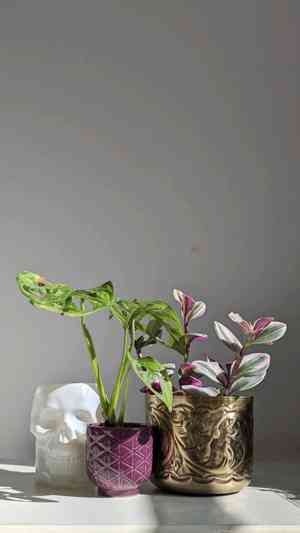
This widely admired decorative plant is distinguished by its trailing habit and vivid leaves. Essential trimming techniques involve nipping back the ends to foster a denser form and eliminating elongated or lifeless stalks to preserve its well-being and structure. The most suitable time for pruning is from Spring to Autumn, coinciding with its vigorous development phases. For the flowering inch plant specifically, pruning improves air circulation and lowers the likelihood of infestations, encouraging abundant, brightly colored growth. Consistent trimming also aids in propagation, as the removed sections readily establish roots.
What Are the Benefits of Pruning Flowering Inch Plant?
What Are the Benefits of Pruning Flowering Inch Plant?
Trimming flowering inch plant is essential for robust development and preserving an appealing form. Consistent cutting fosters dense foliage, prevents elongation, and ensures a lush look, making it perfect for home and garden aesthetics.
What Is the Best Time for Pruning Flowering Inch Plant?
What Is the Best Time for Pruning Flowering Inch Plant?
Pruning or trimming flowering inch plant is optimally performed in Spring, early Summer, or Fall to align with its active growth periods and to enhance its health and appearance. During Spring, flowering inch plant initiates a new growth cycle, making it the perfect time to shape the plant and remove any dead or damaged foliage without causing stress. Pruning in early Summer can help manage size and promote bushier growth, as the plant is still actively growing. In Fall, light pruning is recommended to prepare the plant for winter by removing any remaining damaged or diseased parts, ensuring strong health. These seasons avoid the plant's blooming phase and winter dormancy, encouraging vigorous growth and flowering in the subsequent season.
What Tools Do I Need to Prune Flowering Inch Plant?
Micro-tip Pruning Snips
These small, precise snips are perfect for trimming delicate stems and leaves on flowering inch plant, allowing for accurate cuts without harming the plant.
Sharp Bypass Pruners
Ideal for making clean cuts on flowering inch plant's thicker stems, bypass pruners help prevent disease and minimize plant stress.
Gardening Gloves
Protects hands when handling flowering inch plant, which can have sap that may irritate the skin.
Disinfectant for Tools
Prevents the spread of disease when cutting flowering inch plant by keeping the tools clean between uses.
How to Prune Flowering Inch Plant
Sterilize
Before pruning flowering inch plant, clean and sterilize the pruning tools with rubbing alcohol or a household disinfectant to prevent the spread of disease.
Identify
Carefully examine flowering inch plant to identify diseased leaves, withered leaves, dead branches, and diseased branches that need to be removed.
Cut
Using sharp scissors or secateurs, make clean cuts to remove the diseased and withered leaves. Cut close to the base of the leaf, ensuring not to damage the healthy stem or adjacent leaves.
Dispose
Remove dead and diseased branches from flowering inch plant by cutting at the base of the affected branch. Dispose of the removed material far from healthy plant areas to prevent the spread of any disease.
Maintain
After pruning flowering inch plant, clean the tools again and monitor the plant regularly for new growth or signs of disease, which may require additional pruning.
Common Pruning Mistakes with Flowering Inch Plant
Over-Pruning
Removing too much growth at once can stress flowering inch plant, leading to weak growth and reduced flowering. It's important not to remove more than one-third of the plant at a time.
Blunt Tools
Using dull or dirty pruning shears can damage flowering inch plant's stems, creating jagged cuts that are susceptible to disease. Always use sharp, clean tools to make clean cuts.
Ignoring Dead Or Damaged Areas
Failing to remove dead, diseased, or damaged growth can hinder flowering inch plant's overall health and appearance. Regularly removing these areas helps maintain a vigorous plant.
Pruning For Size Only
Some gardeners prune solely to control size, neglecting to shape the plant for balanced growth. Flowering inch plant benefits from pruning that both maintains size and encourages a fuller, more attractive shape.
Incorrect Cutting Angle
Cutting stems straight across or at an improper angle can prevent water runoff and increase the risk of disease. Angled cuts facilitate better healing and water shedding.
Common Pruning Tips for Flowering Inch Plant
Selective Thinning
Flowering inch plant responds well to selective thinning of older, leggy stems to promote light penetration and air circulation, which encourages new, healthy growth and more abundant flowering.
Pinching Tips
Regularly pinching the tips of flowering inch plant encourages branching and results in a bushier plant. This method also helps stimulate flower production.
Post-Flowering Pruning
After flowering inch plant has flowered, prune it back to maintain the desired shape and size. This also helps to rejuvenate the plant for continued vigorous growth.
Maintenance Pruning
Engage in light, maintenance pruning of flowering inch plant throughout the growing season to remove any yellowing or dead leaves and spent flower stems to keep the plant tidy and healthy.
Cut Above Leaf Nodes
When pruning, make cuts just above leaf nodes to encourage flowering inch plant to branch out. This results in a denser foliage and more prolific flowering.



