Enhancing Your Garden Design with the Flowering inch plant Plant: A Landscaping Guide
1
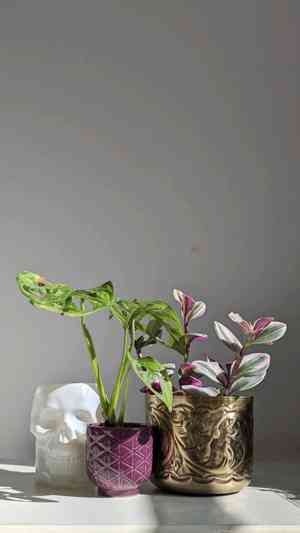
Incorporating the Flowering inch plant into your garden design can enhance its aesthetic appeal and variety.
2
The Flowering inch plant is adaptable and fits well with diverse garden aesthetics, ranging from classic to modern.
3
Appropriate care is crucial for the Flowering inch plant to flourish within your outdoor space.
Introducing the Flowering Inch Plant in Garden Design
Why opt for the Flowering Inch Plant in your outdoor space?
Selecting the Flowering Inch Plant for your garden can be transformative due to its distinct characteristics and adaptability. This species is renowned for its simple cultivation and capacity to flourish in diverse environments. For those aiming to infuse elegance and vibrancy into their garden, the Flowering Inch Plant presents an excellent choice. Its hardiness makes it an effortless option for both new and experienced gardeners. Furthermore, its low-maintenance nature means you can enjoy a beautiful garden without excessive upkeep.
The distinctive visual appeal of the Flowering Inch Plant
The Flowering Inch Plant contributes a unique aesthetic charm to any garden. Its striking foliage and delicate blossoms can establish a captivating focal point. The plant's variegated leaves frequently display hues of green, purple, and silver, offering a colorful accent that stands out against the more common greens and browns of typical landscape plants. Moreover, its graceful, spreading growth habit can soften hardscaped areas, making it suitable for both filling voids and creating lush, full displays.
Incorporating the Flowering Inch Plant into Various Garden Styles
Traditional Gardens: Achieving balance with the Flowering Inch Plant
In traditional gardens where symmetry and order are paramount, the Flowering Inch Plant can play a significant role. Its consistent growth patterns facilitate easy shaping and the maintenance of neat lines and balanced designs. Position the Flowering Inch Plant along borders or pathways to establish defined edges that enhance the formal ambiance of a classical garden. This helps preserve historical elegance while introducing a distinctive and lively element that keeps the garden feeling fresh and contemporary.
Contemporary Gardens: Using the Flowering Inch Plant for a modern flair
For contemporary gardens, which often feature clean lines and minimalist plantings, the Flowering Inch Plant offers a bridge between classic and modern. Its unique coloration and texture can break monotony and add interest without overwhelming the design. Arrange the Flowering Inch Plant in geometric patterns or utilize it in containers to highlight modern architectural features. Its versatility allows it to complement sleek modern materials like concrete and metal, providing a softer, more organic contrast.
Cottage Gardens: Enhancing the charming aesthetic with the Flowering Inch Plant
Cottage gardens thrive on an abundant, whimsical look, and the Flowering Inch Plant integrates perfectly into this style. Its sprawling habit can fill spaces in a seemingly random yet delightful manner, giving the garden a naturally lush appearance. Combine the Flowering Inch Plant with other cottage garden staples such as roses, lavender, and foxgloves to create a rich tapestry of textures and colors. The plant's ability to interweave with other plants adds to the sense of profusion and enchantment characteristic of cottage gardens.
Seasonal Considerations for the Flowering Inch Plant
Optimal planting periods for robust development
The ideal time to plant the Flowering Inch Plant is during spring or early autumn when temperatures are moderate, and the soil is neither excessively wet nor dry. These conditions promote strong root establishment, which is vital for the plant's long-term health. Planting in the correct season also aids the Flowering Inch Plant in adapting to its environment and preparing for vigorous growth when the active season commences. Ensuring the right planting time can significantly impact the plant's performance and longevity in your landscape.
Blooming cycles and seasonal transformations
The Flowering Inch Plant typically blossoms from late spring through the end of summer, producing small yet captivating flowers. As seasons shift, the plant adjusts its growth patterns accordingly. During warmer months, the Flowering Inch Plant will flourish and expand, while in cooler periods, growth decelerates, preparing the plant for the subsequent cycle. Understanding these patterns can assist you in planning garden activities like pruning and feeding, ensuring the Flowering Inch Plant continues to thrive annually.
Companion Plants for the Flowering Inch Plant
Plants that flourish alongside the Flowering Inch Plant
Companion planting with the Flowering Inch Plant can enhance your garden's visual appeal and vitality. Suitable companions include plants that prefer similar growing conditions, such as liriope, ferns, and hostas. These plants complement the Flowering Inch Plant by offering contrast in leaf shape and color, creating a more dynamic and visually engaging garden space. Pairing these plants together can also help improve soil conditions and pest resistance, fostering a more balanced and healthy ecosystem in your garden.
How companion planting boosts landscape beauty
Companion planting with the Flowering Inch Plant not only improves plant health but also elevates landscape aesthetics. By combining plants with varying textures, heights, and colors, you can create layered, multidimensional garden beds that capture attention. For instance, placing taller companions behind the Flowering Inch Plant can provide a backdrop that highlights its spreading form. This layered approach adds depth and complexity to your landscape, making it more captivating and pleasant to observe.
Care Guidelines for the Flowering Inch Plant in Landscaping
Fundamental upkeep for vigorous growth
Maintaining the Flowering Inch Plant is relatively straightforward, requiring consistent watering, occasional fertilization, and periodic trimming. Ensure the soil remains moist but not waterlogged, and apply a balanced fertilizer during the growing season to support strong development. Pruning should be performed to remove dead or damaged leaves and to manage the plant’s spread. A layer of mulch can help retain soil moisture and suppress weeds, further reducing maintenance demands.
Common issues and simple remedies
Despite its ease of care, the Flowering Inch Plant can encounter some typical challenges such as pests, diseases, or environmental stressors. To mitigate these, regularly inspect the plant for signs of trouble, such as discolored leaves or stunted growth. Address pest infestations promptly with appropriate insecticides or natural solutions like neem oil. If disease is detected, remove affected parts and adjust watering practices to prevent recurrence. Ensuring good air circulation and avoiding overcrowded plantings can also help keep the Flowering Inch Plant healthy.



