The Flowering inch plant Plant Advantage: Maximizing Home and Office Appeal and Wellness
1
The flowering inch plant is well-known for its ability to cleanse the air.
2
This botanical specimen introduces vivid hues to both interior and exterior environments.
3
It requires minimal upkeep, making it an ideal choice for novice gardeners.
What Are the Main Advantages of the Flowering Inch Plant?
Air Purification Capabilities
A notable benefit of the Flowering inch plant is its capacity to cleanse the air. Plants, generally, are recognized for their inherent air-filtering properties, and this plant is no different. It aids in eliminating airborne toxins and pollutants, fostering a healthier and more pleasant living environment.
Visual Appeal
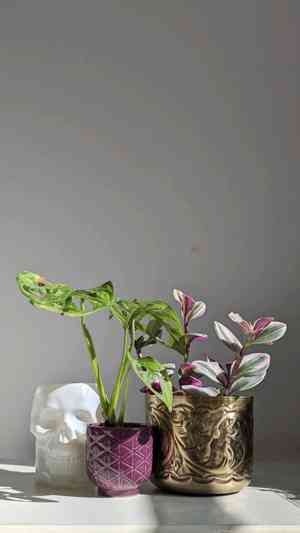
Another key advantage of the Flowering inch plant is its aesthetic charm. This plant showcases vivid, colorful foliage that can enhance the beauty of any area. Whether positioned in a hanging container or allowed to trail from a shelf, the Flowering inch plant consistently captures attention.
How to Maintain a Flowering Inch Plant?
Illumination Requirements
The Flowering inch plant flourishes in bright, indirect illumination. Placing the plant near a window with filtered sunlight is optimal. It can also endure lower light conditions, though its growth might be less vigorous, and its leaves could lose some of their vibrant coloration.
Irrigation Guidelines
Regarding watering, the Flowering inch plant prefers a consistent schedule. The growing medium should remain consistently moist but not saturated. It's vital to allow the top layer of soil to dry out between watering sessions to prevent root decay. During its active growth phase, more frequent watering may be necessary, while colder months might require less.
What Are the Best Soil and Potting Methods?
Substrate Type
The Flowering inch plant adapts well to general potting mix that provides good drainage. A blend incorporating perlite or sand can help ensure the soil doesn't retain excessive moisture, which can lead to root problems.
Repotting Necessities
Repotting the Flowering inch plant is quite simple. It's advisable to repot the plant every 1-2 years or when you observe that the roots are becoming too dense in their current container. Select a pot one size larger to provide the roots with more space to expand, and always ensure the new pot has drainage openings.
How to Successfully Propagate the Flowering Inch Plant?
Stem Cuttings
Propagating the Flowering inch plant is an enjoyable and straightforward method to expand your plant collection or share it with others. The most common technique involves stem cuttings. Simply snip a healthy stem just below a leaf node, remove the lower leaves, and place the cutting in water or directly into the soil. Within a few weeks, roots should emerge, and you can then transfer the cutting to a pot.
Division
Another propagation technique is division. This entails separating the plant into smaller segments, each possessing its own root system. Division is best performed during repotting, as it minimizes stress on the plant. Ensure that each section has sufficient roots to support its growth before replanting.
What Common Issues Should You Monitor?
Pests
The Flowering inch plant is relatively hardy, but it's not immune to pests. Common invaders include spider mites and aphids. Regularly inspect your plant for signs of infestation, such as webbing or discolored foliage, and treat with insecticidal soap or neem oil if needed.
Leaf Problems
Yellowing or browning leaves can indicate various issues, including overwatering, underwatering, or insufficient light. Monitor your watering habits and light exposure to identify and correct the problem promptly. If the plant is overwatered, allow the soil to dry out before resuming a more balanced watering routine.



