How to Prune East indian almond?
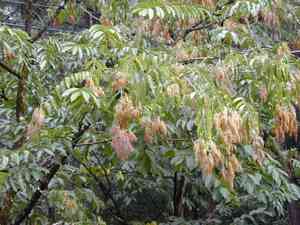
The east indian almond, a deciduous tree recognized for its impressive stature and thick canopy, greatly benefits from trimming in winter, its period of inactivity. Appropriate pruning strengthens its framework and encourages robust development in spring. Concentrate on eliminating deceased or excessively dense limbs to enhance the ingress of light and air movement. This practice not only preserves its visual attractiveness but also fortifies its resistance to infestations and ailments. Performing this task during this season reduces strain, facilitating a strong recuperation.
What Are the Benefits of Pruning East Indian Almond?
What Are the Benefits of Pruning East Indian Almond?
Trimming east indian almond encourages robust development and helps maintain its form. Regular cutting fosters a dense, thriving canopy, vital for optimal growth and visual appeal.
What Is the Best Time for Pruning East Indian Almond?
What Is the Best Time for Pruning East Indian Almond?
Winter is considered the optimal season for pruning east indian almond due to its dormant state during this period. Pruning in winter minimizes stress on east indian almond, as the plant's growth and metabolic processes are slowed. This timing also prevents sap loss, which can be more significant during active growth. Additionally, without leaves, it's easier to see and make strategic cuts to improve east indian almond's structure and health. Pruning before spring's arrival supports vigorous growth as warmer weather returns.
What Tools Do I Need to Prune East Indian Almond?
Hand Pruners (Secateurs)
These are essential for making clean cuts on smaller branches of east indian almond, ensuring minimal harm to plant tissues which promotes healthy regrowth.
Loppers
Ideal for cutting thicker branches that are typically out of reach or require more leverage. Loppers will help manage the overall size and shape of east indian almond, especially for branches up to 2 inches in diameter.
Pruning Saw
Necessary for removing larger branches with diameters over 2 inches. The pruning saw allows for precise cuts needed for the larger branches of east indian almond, especially since it is known for its potentially sizable growth.
Pole Pruner
Useful for reaching higher branches without needing a ladder. Given the tree-like nature of east indian almond, a pole pruner will help manage the upper parts of the plant effectively.
How to Prune East Indian Almond
Identify
Examine east indian almond closely to pinpoint all dead and diseased branches. Look for branches showing signs of discoloration, withered leaves, or lack of bark vitality. These are typically less vibrant and may appear brittle or dry.
Sanitation
Before beginning the pruning process, sanitize your pruning tools. This ensures that diseases are not transferred from the tools to the healthy parts of east indian almond. Use a solution of bleach or alcohol to clean blades thoroughly.
Cutting technique
Use sharp, clean pruning shears to make precise cuts on east indian almond. Cut dead branches back to their point of origin from a main branch or the trunk. For diseased branches, cut at least several inches below the diseased parts into healthy wood to ensure all the diseased tissue is removed.
Disposal
Dispose of the removed diseased branches properly to prevent the spread of pathogens. Do not compost as the disease might not be killed during the composting process and could infect the compost.
Monitor
After pruning, monitor east indian almond regularly for signs of further disease or stress. This aids in early detection and management of potential issues, promoting healthier growth and development.
Common Pruning Mistakes with East Indian Almond
Over pruning
A common error is removing too much foliage from east indian almond, which can weaken the plant. Pruning more than one-third can stress the plant, hindering its growth and sustainability.
Improper cut placement
Cuts made too close or too far from the buds can be detrimental. Cuts too close can harm the buds, while cuts too far can leave stubs that encourage decay.
Ignoring diseased or damaged branches
Failing to remove unhealthy branches can lead to the spread of disease and affect the overall health of east indian almond.
Pruning as a cure-all
Over-reliance on pruning as a solution for all growth issues without considering other vital cultural practices such as watering, feeding, and pest management.
Common Pruning Tips for East Indian Almond
Sharp tools
Always use sharp, clean pruning tools to make precise cuts. This prevents damage and disease transmission to east indian almond.
Target pruning
Focus on removing only the dead, diseased or damaged branches. This helps maintain the plant's health and direct its energy towards new growth.
Thinning over crowded areas
Thin out areas where branches are overcrowded to improve air circulation and light penetration, crucial for the health of east indian almond.
Maintaining shape
Prune to maintain or enhance the natural shape of east indian almond. Avoid excessive cutting back which can lead to unnatural growth patterns and reduce flowering potential.



