The East indian almond Plant Advantage: Maximizing Home and Office Appeal and Wellness
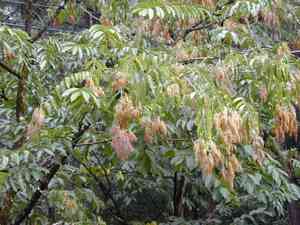
1
Terminalia catappa is known for its superb anti-inflammatory characteristics.
2
This botanical is utilized in folk medicine because of its varied wellness advantages.
3
Terminalia catappa is also appreciated for its capacity to support dermal well-being.
What Makes East Indian Almond Unique?
Historical Significance
East Indian almond has been a component of traditional medicine for centuries. Indigenous groups have utilized various parts of the plant for its therapeutic qualities. Its inclusion in ancient remedies underscores its vital role in natural healing practices.
Botanical Features
This perennial plant is admired for its vigorous growth and ability to thrive in diverse climates. Its leaves, stems, and seeds are all employed in various uses, offering a rich source of natural compounds beneficial for health.
Health Advantages of East Indian Almond
Anti-Inflammatory Properties
One of the prominent characteristics of East Indian almond is its anti-inflammatory capabilities. Research indicates that the plant's extracts can significantly reduce inflammation, making it a valuable natural remedy for conditions linked to chronic inflammation. Incorporating this plant into one's wellness routine can support overall joint health and alleviate discomfort.
Antioxidant Powerhouse
Rich in antioxidants, East Indian almond helps combat oxidative stress, a primary cause of cellular damage. These antioxidants neutralize free radicals, thereby safeguarding the body from various illnesses and promoting longevity. Regular consumption or topical application can enhance skin health and boost the immune system.
How Does East Indian Almond Promote Skin Health?
Natural Moisturizer
The plant is excellent for skin care. It functions as a natural moisturizer, deeply nourishing the skin and keeping it hydrated. The oils extracted from its seeds are particularly beneficial in improving skin texture and preventing dryness.
Healing and Soothing
Beyond hydration, East Indian almond possesses healing and soothing properties that aid in treating minor skin irritations. It has been used to manage conditions like eczema and psoriasis, thanks to its gentle yet effective nature. These attributes make it a staple in many natural skincare products.
Environmental and Socio-Economic Benefits
Sustainable Cultivation
East Indian almond grows abundantly and does not demand extensive resources, making it an environmentally sustainable option. Its cultivation supports biodiversity and soil health, playing a significant role in eco-friendly agricultural practices.
Economic Importance
In regions where East Indian almond is prevalent, it provides a crucial source of income for local communities. The plant's versatility means that different parts can be harvested and sold, supporting livelihoods and contributing to local economies.
How to Integrate East Indian Almond into Your Lifestyle
Dietary Supplements
Many individuals incorporate East Indian almond into their diet through supplements. These typically come in powder or capsule form and provide an easy way to reap the plant's benefits. Regular intake can support overall wellness and enhance bodily functions.
Topical Applications
East Indian almond can also be used in various topical products. From creams to oils, these applications offer a direct way to benefit from its skin-enhancing properties. Using these products as part of a daily skin care regimen ensures consistent results.



