How to Propagate East indian almond?
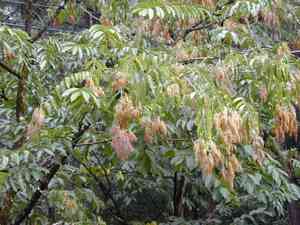
East Indian almond can be successfully multiplied using stem sections. It is crucial to select robust, developed stems for this process. Sever a stem piece approximately 6-8 inches in length, making sure it includes multiple nodes. Submerge the severed tip in rooting compound to stimulate root formation, then embed it in a potting blend that drains efficiently. Maintain consistent moisture in the substrate and offer diffused illumination until the cutting develops a vigorous root system.
When Is the Optimal Time to Propagate East Indian Almond?
Propagation Method
Cutting
Propagation Period
Autumn,Winter
What Equipment Is Used for East Indian Almond Propagation?
Pruning Shears
Pruning shears are vital for taking cuttings from east indian almond. They enable precise, clean cuts, minimizing harm to the parent plant and ensuring a strong start for the cuttings. Sharp, sterilized shears help prevent disease and promote quick healing of cut surfaces.
Rooting Hormone
A rooting hormone is essential to boost root formation in east indian almond cuttings. Dipping the stem's cut end into the hormone encourages faster root initiation and growth, greatly increasing propagation success. This is especially important for east indian almond's hardwood nature, which might otherwise root slowly or with difficulty.
Potting Mix
A well-draining, nutrient-rich potting mix is crucial for successful rooting of east indian almond cuttings. The mix should allow for good air circulation and moisture retention, providing an ideal environment for new roots to grow without rot or other moisture-related issues.
Propagation Tray
A propagation tray is used to hold the potting mix and east indian almond cuttings in a stable, organized manner. It helps maintain consistent moisture levels and simplifies managing multiple cuttings, ensuring uniform care as they develop into new plants.
Misting Bottle
Regular misting is necessary to keep east indian almond cuttings adequately hydrated and to maintain a high humidity environment, which encourages rooting. A misting bottle allows for gentle moisture application without disturbing delicate new roots or washing away rooting hormone.
How to Propagate East Indian Almond?
Propagation Difficulty
Moderately Difficult
How to Care for Your Newly Propagated East Indian Almond?
How to Care for Your Newly Propagated East Indian Almond?
Once roots have formed, gradually introduce east indian almond to outdoor conditions by increasing light and air exposure over a week. Transplant rooted cuttings into larger pots with fertile, well-draining soil. Water consistently, ensuring the soil stays moist but never waterlogged. Fertilize with a balanced, slow-release fertilizer every 6-8 weeks. Protect east indian almond from extreme temperatures and ensure it receives sufficient sunlight for healthy growth.
Common Errors to Avoid When Propagating East Indian Almond
Excessive watering of cuttings
Overwatering can lead to root rot and fungal growth, severely damaging or killing young roots, and jeopardizing the propagation success of east indian almond.
Using overly mature seeds
Employing seeds that are too old often results in lower germination rates because older seeds may have reduced viability, impacting the overall success rate of growing new east indian almond plants.
Insufficient rooting environment
Placing cuttings in an environment lacking proper humidity and temperature can impede root development, making it difficult for east indian almond to establish and grow healthily.
Advice for Propagating East Indian Almond
Utilize fresh seeds
Fresh seeds exhibit higher germination rates and are more likely to produce robust seedlings. Ensure seeds are harvested at the correct maturity stage for optimal growth of east indian almond.
Maintain moderate moisture
Keep the soil moderately moist but not saturated to encourage healthy root growth without risking rot. This balance is crucial for the successful rooting of east indian almond cuttings.
Provide indirect light
While rooting, east indian almond cuttings should be placed in bright, indirect light. Direct sunlight can cause excessive heat and stress on the developing plants, negatively affecting their growth.



