How to Prune Pink trumpet tree?
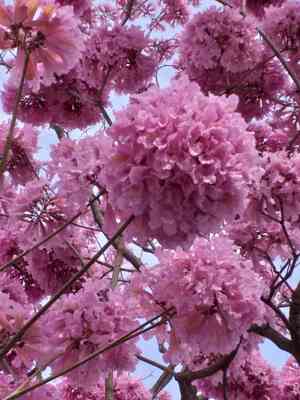
This decorative tree is celebrated for its clusters of pink to purple trumpet-like flowers. For pink trumpet tree, essential trimming methods involve eliminating deceased or fractured limbs, reducing crowded sections to enhance light exposure and air movement, and sculpting for visual appeal. The ideal time for pruning is following its winter bloom period to lessen strain and foster abundant flowering. Pruning boosts pink trumpet tree's well-being by averting ailments and encouraging more robust development.
What Are the Benefits of Pruning Pink Trumpet Tree?
What Are the Benefits of Pruning Pink Trumpet Tree?
Trimming pink trumpet tree encourages robust new development, ensuring strong vitality. It also maintains an attractive form that enhances garden aesthetics.
What Is the Best Time for Pruning Pink Trumpet Tree?
What Is the Best Time for Pruning Pink Trumpet Tree?
Winter is considered ideal for pruning pink trumpet tree because during this period, the tree is typically in a dormant state. This dormancy phase is characterized by reduced metabolic activity and growth, making it the perfect time to prune without severely stressing the tree. Pruning in winter allows the cuts to heal before the emergence of new growth in the spring, which can also help in directing the plant’s energy towards producing abundant blooms. Additionally, the absence of leaves in this season provides better visibility of the structure of pink trumpet tree, enabling more precise and efficient pruning. This seasonal timing aligns with the tree's natural growth cycle, ensuring improved tree health and enhancing the forthcoming flowering period.
What Tools Do I Need to Prune Pink Trumpet Tree?
Hand Pruners
For precise cuts on smaller branches of pink trumpet tree, up to about 3/4 inch in diameter, hand pruners are essential. They facilitate clean cuts that encourage healthy regrowth.
Lopping Shears
Lopping shears will effectively manage branches between 3/4 inch and 2 inches in diameter. Their extended handles provide leverage to simplify the task, which is important for pink trumpet tree given its size.
Pruning Saw
A pruning saw is perfect for cutting through branches exceeding 2 inches in diameter. Pink trumpet tree can develop large limbs that will necessitate a saw for proper pruning without harming surrounding tissues.
Pole Pruner
For branches in the canopy of pink trumpet tree that are difficult to reach, a pole pruner extends the gardener's reach and delivers the cutting power needed for larger branches.
Hedge Shears
For shaping the outermost foliage and small twigs of pink trumpet tree, hedge shears allow for quick and even trimming, creating a neat appearance.
How to Prune Pink Trumpet Tree
Step1: Prepare Pruning Tools
Before starting to prune pink trumpet tree, ensure your pruning tools are clean and sharp to minimize damage and prevent disease spread to the plant.
Step2: Identify Dead Wood
Locate dead wood on pink trumpet tree by searching for branches that lack leaves and are dry and brittle. Pruning should occur after the flowering season to avoid removing new blooms.
Step3: Cutting Technique for Dead Branches
Use pruning shears or a saw, depending on branch thickness, to make a clean cut at the base of the dead wood. Cut at a slight angle sloping away from the bud or main stem to allow water runoff, reducing disease risk.
Step4: Spotting Diseased Limbs
Inspect pink trumpet tree for diseased limbs. Signs of disease may include discoloration, unusual growths, or insect presence. Isolated diseased areas can be removed to prevent spread.
Step5: Pruning Diseased Limbs
Prune diseased limbs by cutting at least 6 inches into healthy wood to ensure all infected parts are removed. Sanitize pruning tools before moving to another area to prevent cross-contamination.
Step6: Remove Damaged Branches
Assess pink trumpet tree for damaged branches, which may result from storms, pests, or human activity. Broken branches can create open wounds susceptible to disease.
Step7: Prune for Desired Growth Direction
Remove damaged branches by cutting back to a lateral branch or bud facing the desired new growth direction. Ensure this is done smoothly and cleanly to promote healthy regrowth.
Step8: Clean Up Pruning Debris
After all pruning is complete, remove all cuttings from around the base of pink trumpet tree to deter pests and diseases. Decomposing plant material can harbor unwanted issues.
Step9: Post-Pruning Plant Care
Water pink trumpet tree sufficiently after pruning to reduce plant stress and aid quicker recovery. Avoid over-watering, which can encourage root diseases.
Step10: Monitor Plant Recovery
Observe pink trumpet tree over the subsequent weeks for signs of new growth and health. Adjust care practices as needed to ensure optimal recovery and vitality.
Post-Pruning Care for Pink Trumpet Tree
Post-Pruning Care for Pink Trumpet Tree
After pruning pink trumpet tree, water it immediately to alleviate stress from the procedure. Position pink trumpet tree in partial sunlight as intense exposure might harm freshly cut areas. Maintain a stable environment with moderate humidity and avoid extreme temperatures. Apply a balanced fertilizer to supply essential nutrients for recovery. Monitor pink trumpet tree for wilting, discoloration, or decay, which are signs of stress or infection. If present, reduce water intake and check for pests or diseases. Prompt action to such indicators is vital for pink trumpet tree's health.
Common Pruning Mistakes with Pink Trumpet Tree
Over-pruning Stress and Bloom Reduction
Excessive pruning, which can stress pink trumpet tree and lead to poor health or diminished flowering.
Dull and Dirty Tool Damage
Utilizing dull or unsanitized pruning tools that can harm branches and leave pink trumpet tree susceptible to disease.
Uniform Pruning Affects Growth
Trimming all branches to the same length, thereby creating an unnatural shape and potentially impacting future growth.
Common Pruning Tips for Pink Trumpet Tree
Use Sharp, Clean Shears for Quick Healing
Employ clean, sharp shears to make precise cuts that pink trumpet tree can heal from rapidly.
Prioritize Removing Unhealthy Branches
First remove dead, damaged, or diseased branches to enhance pink trumpet tree's overall health and visual appeal.
Thin Crowded Areas for Better Structure
Promote a strong, well-distributed branch structure by selectively thinning congested areas, which allows light and air to penetrate the canopy.



