Enhancing Your Garden Design with the Pink trumpet tree Plant: A Landscaping Guide
1
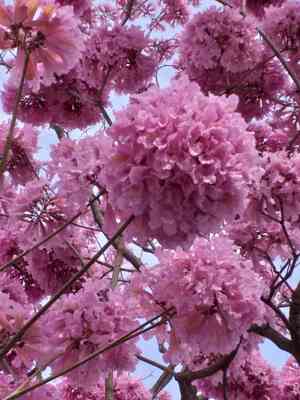
The Pink trumpet tree is recognized for its beautiful blossoms that bring vibrant hues to any landscape.
2
For best results, position the Pink trumpet tree where it receives ample sun and has soil that drains effectively.
3
Combining the Pink trumpet tree with suitable companion plants can boost its visual charm and create a balanced garden design.
Introducing the Pink Trumpet Tree in Garden Design
The aesthetic appeal of the Pink Trumpet Tree
A key characteristic of the Pink Trumpet Tree is its stunning and vivid blossoms, which appear abundantly in spring, creating a spectacular visual display. Its large, trumpet-shaped flowers, in various pink hues, are an excellent choice for adding grace and charm to any garden layout. Furthermore, its rich green leaves offer a beautiful contrast, keeping the tree attractive even when not in bloom.
The popularity of the Pink Trumpet Tree in contemporary landscaping
Recently, the Pink Trumpet Tree has gained considerable favor among landscape designers and home gardeners. Its appeal stems from its striking look, relatively low upkeep, and adaptability. It fits well into diverse garden styles, from formal arrangements to more relaxed, natural environments. Its capacity to thrive in different climates and soil types further solidifies its position as a preferred option for enhancing outdoor areas.
Optimal Placement of Pink Trumpet Tree in Garden Designs
Considering light and soil needs
The Pink Trumpet Tree flourishes best in full sun, needing at least six to eight hours of direct sunlight daily to produce its magnificent blooms. The soil must drain well to prevent waterlogging, which can cause root rot. While it tolerates various soil types, it performs optimally in slightly acidic to neutral soil. Meeting these conditions will encourage robust growth and vibrant flowering.
Methods for maximizing visual impact
To fully leverage the Pink Trumpet Tree's visual charm, consider planting it where its flowers and foliage can be best appreciated. Positioning it against a backdrop of evergreen trees or shrubs can make its pink blossoms stand out more vividly. Additionally, planting several Pink Trumpet Trees in a line or cluster can create a stunning, unified appearance, mimicking a larger floral mass.
Creating focal points with the Pink Trumpet Tree
The Pink Trumpet Tree can serve as an excellent focal point in your garden due to its striking appearance. Planting it in prominent spots, such as at the end of pathways, near entrances, or in the center of a circular garden bed, can draw attention and add structure to the landscape. The tree's height and spread make it a natural centerpiece, providing vertical interest and a sense of scale.
Companion Plants for the Pink Trumpet Tree
Selecting plants for color harmony
Choosing plants that complement the Pink Trumpet Tree's vibrant pink flowers will enhance your garden's overall aesthetic. Consider pairing it with plants that have contrasting colors, such as white, blue, or purple blooms. Plants like lavender, salvia, and white azaleas can create a pleasing color scheme that highlights the tree's beauty while offering visual diversity.
Choosing plants with similar growth requirements
To ensure a cohesive and low-maintenance garden, select companion plants that thrive under similar conditions as the Pink Trumpet Tree. Plants that prefer full sun and well-drained soil, such as rosemary, daylilies, and ornamental grasses, can create a harmonious and flourishing garden environment. These plants not only complement the tree aesthetically but also ensure all your garden plants thrive together.
Seasonal Considerations for the Pink Trumpet Tree
Preparing the Pink Trumpet Tree for different seasons
Seasonal changes can impact the Pink Trumpet Tree's growth and appearance, so it's crucial to prepare your garden accordingly. In spring, a balanced fertilizer can support vigorous blooming. During hotter months, mulching around the tree's base can help retain moisture and keep roots cool. As autumn approaches, pruning may be necessary to remove dead or damaged branches and ensure healthy growth.
Impact of seasonal changes on the Pink Trumpet Tree's appearance
Seasonal shifts can bring varied aesthetic appeals to the Pink Trumpet Tree. In spring and summer, expect a profusion of pink blossoms, making it the garden's highlight. During cooler months, while it might lose some vibrant foliage, its strong architectural form still adds structure and interest to the landscape. Understanding these seasonal dynamics helps in planning and maintaining a visually appealing garden year-round.
Maintaining the Pink Trumpet Tree in Your Landscape
Basic care guidelines
Routine care for the Pink Trumpet Tree involves consistent watering, especially during dry spells, to keep the soil moist but not waterlogged. Pruning is vital to maintain its shape and remove any dead or diseased branches. Additionally, applying a balanced fertilizer during the growing season can encourage healthy growth and abundant flowers.
Long-term care strategies
For long-term care, it's essential to monitor the Pink Trumpet Tree for signs of pests or diseases, such as leaf spots or root rot. Pesticides and fungicides may be necessary to control infestations and ensure the tree's health. Regularly inspecting its overall condition and making necessary adjustments to watering, soil, or fertilization practices can help the Pink Trumpet Tree flourish in your landscape for many years.



