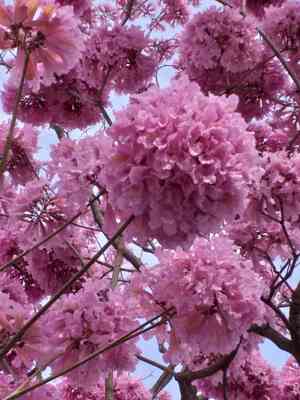
Pink trumpet tree (Tabebuia rosea)
Also known as: Pink trumpet-tree, Pink trumpet, Apamate
The pink trumpet tree, known for its stunning pink blossoms, is an excellent choice for planting near patios or driveways. It sheds its leaves just before flowering, allowing the vibrant blooms to stand out. This tree can be pruned to maintain a manageable size, and its roots are not invasive, making it ideal for providing both shade and visual appeal in such settings.
In This Article
Attributes of Pink trumpet tree
Lifespan
Perennial
Plant Type
Tree
Plant Height
30 m
Spread
9 m to 15 m
Leaf Color
Green
Flower Size
5 cm to 10 cm
Flower Color
White Pink Yellow Purple
Images of Pink trumpet tree

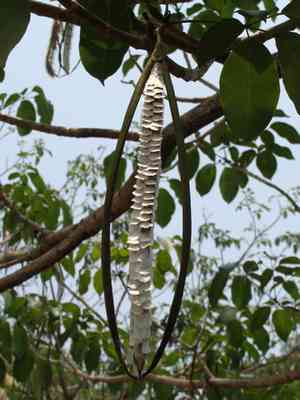
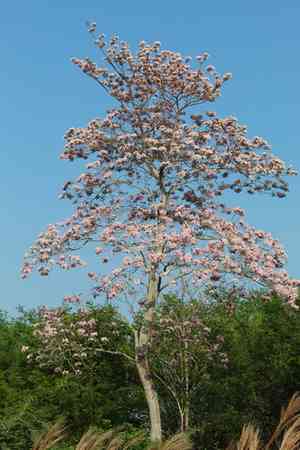
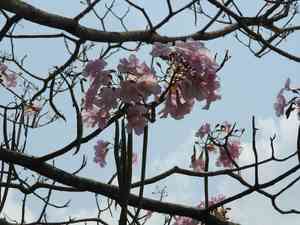
Quickly Identify Pink trumpet tree
1
Identifying Tabebuia rosea involves looking for its characteristic trumpet-shaped pink flowers, palmately compound leaves with five leaflets, and distinctive rough, fissured bark. The flowers form large clusters, making the tree quite conspicuous during its blooming season.
Scientific Classification of Pink trumpet tree
Phylum
Vascular plants
Class
Dicotyledons
Order
Lamiales
Family
Bignonia
Genus
Trumpet trees
Species
Pink trumpet tree
Planting and Growing of Pink trumpet tree
Care Difficulty
Easy
Watering Schedule
Every 3 days
Sunlight Requirements
Full sun
Sunshine Duration
6-10 hours
Ideal Temperature
60-85℉
Soil Type
Potting Mix, Peat Mix
Soil pH
6.5-7.5
Fertilizer Type
Balanced
Pruning Season
Spring, Summer
Pruning Area
Branches, Leaves
Pruning Frequency
2 times a year
Repotting Season
Spring
Pot Type
Ceramic, Plastic
 How to Water Pink trumpet tree?
For Tabebuia rosea, it is essential to water the plant with approximately 1000 milliliters each time, ensuring that the soil remains moderately moist but not waterlogged. Aim to provide enough water to soak down to the roots, allowing any excess to drain away to prevent root rot.
More About Watering Techniques→
What are the symptoms of an underwatered Pink trumpet tree?
›
What should I do if my Pink trumpet tree is not getting enough water?
›
What are the symptoms of an overwatered Pink trumpet tree?
›
How to save an overwatered Pink trumpet tree?
›
 What Are the Sunlight Requirements for Pink trumpet tree?
For optimal health, Tabebuia rosea should be exposed to full sun or partial sun conditions, ideally receiving between 6 to 8 hours of sunlight daily. Ideal lighting enhances growth, boosts flowering, and maintains vibrant plant health.
More About Sunlight Requirements Techniques→
How much sunlight does Tabebuia rosea need?
›
What are the optimal sunlight conditions for growth?
›
Why is proper lighting important for Tabebuia rosea?
›
 What Is the Ideal Temperature Range for Pink trumpet tree?
Tabebuia rosea thrives best in temperatures ranging from 60°F to 85°F. Within this range, the plant can grow vigorously, producing healthy foliage and vibrant flowers. Maintaining these temperatures ensures optimal enzymatic activities and metabolic processes crucial for growth.
 What Soil is Best for Pink trumpet tree?
Tabebuia rosea thrives in soil with good moisture retention. Ensuring the soil remains evenly moist helps in supporting its rapid growth and vibrant bloom production. This is particularly beneficial during its flowering season, providing ample water reserves for the plant's needs. Rich organic matter in the soil is a boon for Tabebuia rosea. It ensures the plant receives essential nutrients, promoting healthy growth and enabling a robust root system, which in turn supports its structural integrity and flower density. Though it requires moisture, the plant also needs well-drained soil to prevent root rot. Proper drainage prevents water stagnation around the roots, allowing the plant to have optimal access to air and nutrients without the risk of diseases.
More About Soil→
 How to Fertilize Pink trumpet tree?
For Tabebuia rosea, known for its stunning pink blossoms, appropriate fertilization is key to ensuring lush growth and abundant flowering. Use a balanced 10-10-10 fertilizer, applying about 300 grams per mature tree during active growth periods.
More About Fertilizing Techniques→
 How to Prune Pink trumpet tree?
Begin by examining the overall shape and structure of the tree. Identify branches that obstruct paths, are growing towards the center, or cross other branches. Start with removal of dead wood, then proceed to thin dense areas to improve airflow. Finally, shape the tree by trimming back vigorous growth to maintain the desired size, keeping in mind the natural form of Tabebuia rosea. After pruning, make sure to water the tree deeply to help it recover. Add mulch around the base to retain moisture and protect the roots from temperature extremes.
More About Pruning Techniques→
 How to Propagate Pink trumpet tree plant?
1
Soak the seeds in warm water for 24 hours prior to sowing. This helps in breaking the seed dormancy and encourages quicker germination.
2
Plant the seeds in a well-draining seed mix, covering them lightly with soil. Keep the soil moist and place the tray in a warm location.
3
Select healthy, non-flowering shoot tips. Cut about 6 inches of stem, ensuring there are at least two nodes on each cutting. Remove the lower leaves.
 How to Repot Pink trumpet tree plant?
1
You’ll know it's time to repot your Tabebuia rosea when you notice roots emerging from the drainage holes or the plant's growth seems stunted. Another key indicator is when the water takes too long to be absorbed, indicating a compacted root system requiring repotting. Choose a warm season to ensure the plant adapts well.
2
Choose a pot that is slightly larger than the current one, providing enough space for root growth without being too large. A pot with good drainage is vital to prevent waterlogging. The right size helps the roots establish quickly, while proper drainage prevents root rot and ensures healthy plant growth.
3
Opt for a well-draining soil mix enriched with organic matter to support growth. The mixture should retain some moisture but drain well to prevent waterlogging. This type of soil provides both aeration and nutrient content, crucial for vigorous growth and avoiding common issues like root rot.
Learn More About Pink trumpet tree Diseases
Anthracnose
Bacterial Leaf Spot
Bacterial Wilt
Black Spot
Crown Gall
Damping-off
Downy Mildew
Drought Stress
Fusarium Wilt
Gray Mold
Leaf Curl
Leaf Spot
Mosaic
Nutrient Deficiency
Nutrient Toxicity
Powdery Mildew
Root Rot
Root-knot Nematode
Rusts
Sooty Mold
Spider Mites
Temperature Stress
Thrips Damage



