Optimal Fertilizer for Growing Pink trumpet tree: What You Need to Know
1
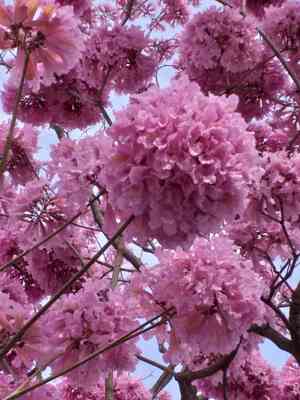
The Pink trumpet tree benefits from fertilization in spring for abundant flowers.
2
Utilize a balanced NPK blend, like 10-10-10, to maintain your tree's health.
3
Organic plant foods also enhance soil composition while nourishing your tree.
Understanding the Nutritional Needs of Pink trumpet tree
Essential Nutrients for Robust Growth
For your Pink trumpet tree to flourish and produce stunning blooms, it requires a range of vital nutrients. The most crucial are nitrogen (N), which promotes foliage development; phosphorus (P), which aids root growth and flowering; and potassium (K), which contributes to overall plant vitality and disease resistance. Furthermore, micronutrients like iron, manganese, and zinc play roles in various physiological processes, ensuring your tree remains healthy and vibrant.
Signs of Nutrient Deficiency
Identifying nutrient deficiencies in your Pink trumpet tree is vital for prompt intervention. Common indicators include yellowing leaves, stunted growth, and reduced blooming. A lack of nitrogen typically results in yellowed leaves, particularly older ones. Phosphorus deficiency might cause diminished growth and poor flowering, often with a purplish tint to the foliage. Potassium deficiency can lead to leaf edges browning and a general lack of vigor. Watch for these symptoms to provide the necessary nutrients quickly.
Choosing the Right Fertilizer for Your Pink trumpet tree
Organic vs. Synthetic Fertilizers
Regarding fertilizers, you have two primary choices: organic and synthetic. Organic fertilizers, such as compost, manure, and bone meal, originate from natural sources. They not only supply nutrients but also enhance soil structure and boost microbial activity. Synthetic fertilizers, conversely, offer a more immediate nutrient supply and are often formulated for specific plant requirements. Both types have benefits, but for sustainable, long-term soil health, organic fertilizers are generally the superior option.
Recommended NPK Ratio
The NPK ratio on a fertilizer package indicates the relative percentages of nitrogen (N), phosphorus (P), and potassium (K) it contains. For Pink trumpet trees, a balanced ratio like 10-10-10 is ideal, providing an equal mix of these essential nutrients. This balance supports overall plant health, encouraging leaf growth, flower production, and strong roots. You can slightly adjust the ratio based on specific needs, such as a higher phosphorus content (e.g., 15-30-15) if you aim to enhance blooming.
How Often to Fertilize Pink trumpet tree
Fertilizing During Growing Season
Spring is the optimal period to begin fertilizing your Pink trumpet tree. The tree is emerging from dormancy and can best utilize the added nutrients for vigorous growth and flower production. Apply a balanced fertilizer at the start of the growing season and again every 6-8 weeks until autumn. Always adhere to the manufacturer's guidelines to prevent over-fertilization, which can harm your tree.
Winter Fertilization Practices
During the colder months, the Pink trumpet tree enters a dormant phase, and fertilization should be reduced or completely stopped. The tree's nutrient absorption is significantly lower in winter, and applying fertilizer at this time could lead to salt accumulation in the soil, potentially damaging the roots. Focus on maintaining soil health by adding organic matter, like compost, which will decompose gradually, enriching the soil when the tree is ready to resume growth.
Applying Fertilizer Correctly
Step-by-Step Fertilization Technique
Begin by measuring the recommended amount of fertilizer based on your Pink trumpet tree's size and the product instructions.Distribute the fertilizer evenly around the tree's base, extending to the drip line (the outer edge of the tree's canopy).Gently incorporate the fertilizer into the top layer of soil using a rake, to ensure it mixes well and minimizes runoff risk.Water the area thoroughly to help the fertilizer penetrate the soil and reach the tree's roots. Following these steps will ensure your tree receives the essential nutrients it requires.
Common Mistakes to Avoid
Avoiding typical fertilization errors can prevent many problems. First, never over-fertilize as it can cause nutrient burn, damaging your tree's roots and leaves. Second, avoid applying fertilizer directly against the tree trunk, as this can lead to trunk rot. Finally, always use a balanced fertilizer unless a soil test indicates a need for a specific nutrient. Over-reliance on one type of nutrient can create imbalances that affect overall tree health.
Monitoring the Impact of Fertilization on Pink trumpet tree
Observing Growth and Health Improvements
After applying fertilizer, closely observe your Pink trumpet tree for indications of improved health and growth. Look for greener, more robust foliage, increased flower production, and vigorous new growth. These are positive signs that your fertilization efforts are successful. Additionally, regular pruning of any dead or unhealthy branches will help you better assess the tree's overall condition.
Adjusting Fertilization Practices Based on Observations
Regularly monitoring your tree allows you to fine-tune your fertilization practices for optimal outcomes. If you notice signs of nutrient deficiency despite consistent fertilization, consider conducting a soil test to pinpoint specific nutrient requirements. Adjust the type and quantity of fertilizer accordingly. Conversely, if you observe symptoms of over-fertilization, such as leaf burn or excessive growth with weak stems, decrease the frequency or amount of fertilizer applications.



