How to Prune Hazel sterculia?
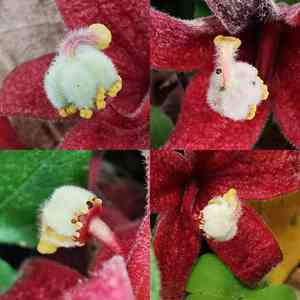
Recognized for its malodorous blossoms and expansive, tropical leaves, hazel sterculia necessitates regular upkeep. The most effective time for trimming is in late winter, prior to spring development, to sculpt the crown and eliminate any compromised branches. Strategic thinning cuts improve air circulation and light access, cultivating a robust growing atmosphere. Given that hazel sterculia can attain considerable stature, guaranteeing structural integrity by judiciously removing branches is vital. Pruning additionally encourages fresh development and can boost blooming, while also helping to deter pests and illnesses by eradicating potential harborage areas.
What Are the Benefits of Pruning Hazel Sterculia?
What Are the Benefits of Pruning Hazel Sterculia?
Trimming hazel sterculia boosts output, encourages strong development, and maintains a desired shape. Strategic cutting eliminates dead or overgrown branches, directing hazel sterculia's energy towards a more plentiful yield, ensuring a healthier and visually appealing structure, and fostering vigorous growth.
What Is the Best Time for Pruning Hazel Sterculia?
What Is the Best Time for Pruning Hazel Sterculia?
Pruning hazel sterculia in late winter is ideal, as it marks the conclusion of the dormant period for many plants. During this time, hazel sterculia has finished its yearly growth cycle and is inactive, minimizing plant stress. Trimming before spring growth allows hazel sterculia to use stored energy for healing and new growth effectively. This timing also avoids cutting emerging buds that would produce flowers or fruits, thus not affecting the plant's blooming or fruiting potential. Furthermore, the absence of leaves provides better visibility of hazel sterculia's structure, enabling more precise pruning. Late winter pruning also lowers the risk of disease transmission, as many pathogens are inactive in cold weather.
What Tools Do I Need to Prune Hazel Sterculia?
Hand Pruners
Perfect for trimming smaller hazel sterculia branches, allowing accurate cuts without harming surrounding foliage.
Loppers
Best for reaching higher or deeper hazel sterculia branches. Their long handles provide leverage for easily cutting thicker branches.
Pruning Saw
Essential for cutting through larger, more mature hazel sterculia limbs that hand pruners and loppers cannot manage.
Pole Pruner
Enables gardeners to safely prune higher hazel sterculia branches from the ground, eliminating the need for a ladder.
Gloves and Safety Goggles
To protect hands and eyes during pruning, considering the height and potential for falling debris when trimming hazel sterculia.
Pruning Sealer
To apply to larger wounds after pruning hazel sterculia to shield the tree from diseases and pests.
How to Prune Hazel Sterculia
Clean Tools
Before pruning hazel sterculia, sanitize pruning tools to prevent disease spread. Use a 1:9 bleach-to-water solution to disinfect blades.
Inspect
Carefully examine hazel sterculia to identify dead or diseased branches. Look for discolored branches, signs of fungus, or lack of foliage.
Cut Dead Branches
Using sharp, clean pruning shears, cut dead branches just above a healthy bud or branch junction. Make 45-degree angle cuts to promote healing and prevent water collection.
Remove Diseased Branches
Remove diseased branches by cutting well below the affected area, into healthy wood. Ensure cuts are clean and avoid tearing the bark.
Dispose
Properly dispose of all removed dead and diseased branches. Do not compost them, as pathogens could spread to other garden areas.
Common Pruning Mistakes with Hazel Sterculia
Over-Pruning
Removing too much foliage from hazel sterculia can stress the plant, reducing vigor and potentially making it vulnerable to diseases and pests.
Improper Cut Location
Making cuts too close or too far from the trunk or branch node can lead to poor healing and leave hazel sterculia susceptible to infections.
Using Dull Tools
Pruning hazel sterculia with dull blades creates jagged edges, making cuts more vulnerable to pests and disease and hindering the healing process.
Neglecting Tool Hygiene
Failing to sanitize tools between cuts, especially when moving between different plants, can spread pathogens to hazel sterculia.
Pruning Healthy Growth
Removing active and healthy growth without reason can impede hazel sterculia's development and reduce its overall health and flowering capacity.
Common Pruning Tips for Hazel Sterculia
Selective Pruning
Focus on removing only dead, diseased, or damaged branches to promote hazel sterculia's health and prevent unnecessary plant stress.
Angled Cuts
Make clean, angled cuts away from the node to allow water runoff and reduce disease risk in hazel sterculia.
Pruning Pace
Prune gradually over time rather than all at once, allowing hazel sterculia to recover from pruning shock and maintaining its health and structural integrity.
Branch Spacing
Maintain even spacing between branches to ensure adequate light penetration and air circulation, crucial for hazel sterculia's health and flowering.
Tool Selection
Use sharp, clean cutting tools appropriate for hazel sterculia's branch size to ensure precise cuts and reduce plant injury risk.



