Feng Shui for Hazel sterculia
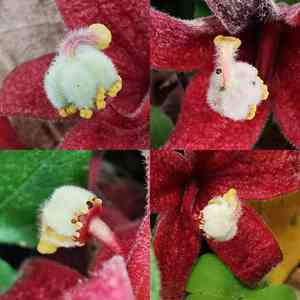
Hazel sterculia integrates favorably with an eastward alignment. An eastern aspect, symbolizing development and vigor in Feng Shui tenets, corresponds effectively with this plant's strong character. Nevertheless, perspectives can differ, highlighting the diverse aspects of Feng Shui.
How Does Hazel Sterculia Influence Energies in Your Life?
Growth, Prosperity
Given its 'Wood' element, hazel sterculia signifies Development and Affluence. Wood nourishes Fire in the Feng Shui elemental cycle, suggesting robust potential and boundless prosperity.
Awakening, Potential
Aligning with 'Zhen' Qi, which represents revival and progress after dormancy, hazel sterculia unlocks one's untapped capabilities. Cultivating this tree encourages the activation of latent talents.
What Makes Hazel Sterculia An Auspicious Choice In Feng Shui?
Growth
Since hazel sterculia embodies the Wood element, it inherently fosters advancement in your personal and professional spheres, attracting accomplishments and triumph.
Health
Hazel sterculia's Zhen Qi boosts individual vigor and well-being, by fostering a balanced energy flow that stimulates the body's inherent healing capacities.
Wealth
Hazel sterculia supports the cycle of financial expansion and accumulation, encouraging a positive energy flow for affluence and abundance.
What Maintenance Tips Should Be Considered for Hazel Sterculia?
Placement
The hazel sterculia needs to be situated in appropriate zones. Incorrect placements could disrupt the harmony and equilibrium of energies within your environment.
Maintenance
A neglected or ailing hazel sterculia might impede beneficial chi flow. Ensure its health by providing necessary care and attention.
Overuse
Hazel sterculia encourages development, but excessive use of this element could result in uncontrolled expansion in other aspects of life. Strive for comprehensive equilibrium.
Where to Position Hazel Sterculia for Feng Shui?
Where to Position Hazel Sterculia for Feng Shui?
Hazel sterculia integrates well with an East-facing orientation. The Eastern direction, symbolizing growth and vigor in Feng Shui principles, aligns effectively with this plant's strong essence. Nevertheless, interpretations can differ, highlighting the complex nature of Feng Shui.



