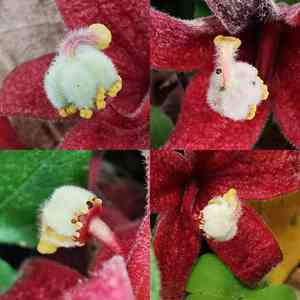
Hazel sterculia (Sterculia foetida)
Also known as: Java olive tree, Skunk tree
The tree you're referring to is the Hazel sterculia (Sterculia foetida). It can reach up to 40 meters in height and produces oil that could serve as a biofuel, with properties akin to those of soybean and sunflower oils. The term "Foetida" in its scientific name highlights the unpleasant odor emitted by its leaves and flowers. Additionally, the leaves are utilized as animal fodder, and its sap is employed in glue production.
In This Article
Attributes of Hazel sterculia
Lifespan
Perennial
Plant Type
Tree
Plant Height
30 m to 35 m
Spread
12 m
Leaf Color
Green
Flower Size
2.5 cm to 5 cm
Flower Color
Yellow Green Red Brown
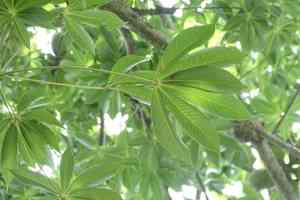
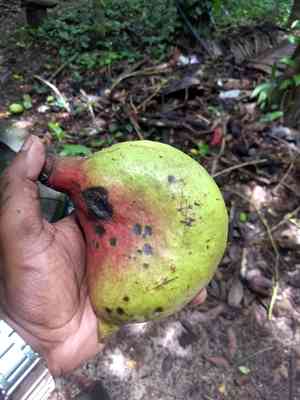
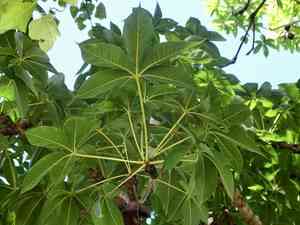
Images of Hazel sterculia
Quickly Identify Hazel sterculia
1
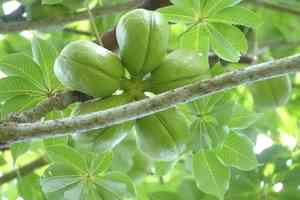
Identifying Sterculia foetida involves observing its large, palmate leaves that are arranged alternately and its distinctive foul-smelling flowers. The star-shaped fruit capsules can also aid in identification.
Scientific Classification of Hazel sterculia
Phylum
Vascular plants
Class
Dicotyledons
Order
Malvales
Family
Mallow
Genus
Tropical chestnuts
Species
Hazel sterculia
Planting and Growing of Hazel sterculia
Care Difficulty
Easy
Watering Schedule
Every 3 days
Sunlight Requirements
Full sun
Sunshine Duration
4-8 hours
Ideal Temperature
75-85℉
Soil Type
Potting Mix, Peat Mix
Soil pH
6.5-7.5
Fertilizer Type
Balanced
Pruning Season
Spring, Summer
Pruning Area
Branches, Leaves
Pruning Frequency
2 times a year
Repotting Season
Spring
Pot Type
Plastic, Ceramic
 How to Water Hazel sterculia?
For Sterculia foetida, water thoroughly until the soil feels evenly moist but not drenched. Ensure excess water drains out of the pot to prevent root rot. Watering should mimic natural rainfall by soaking the soil once a week, depending on the climate.
What are the symptoms of an underwatered Hazel sterculia?
›
What should I do if my Hazel sterculia is not getting enough water?
›
What are the symptoms of an overwatered Hazel sterculia?
›
How to save an overwatered Hazel sterculia?
›
 What Are the Sunlight Requirements for Hazel sterculia?
Sterculia foetida flourishes in full to partial sunlight, ideally receiving six to eight hours of sun daily. Adequate light promotes photosynthesis, enhancing future growth and flowering potential.
More About Sunlight Requirements Techniques→
What is the optimal amount of light for Sterculia foetida?
›
How can you provide ideal lighting conditions for Sterculia foetida?
›
What are the benefits of providing ideal lighting for Sterculia foetida?
›
 What Is the Ideal Temperature Range for Hazel sterculia?
The ideal temperature range for the growth of Sterculia foetida is between 75°F and 85°F. This range provides optimal conditions for photosynthesis and other metabolic activities, leading to healthier plant development. Maintaining this temperature range supports robust leaf and flower production, increasing the plant’s overall vitality.
 What Soil is Best for Hazel sterculia?
Ensuring proper drainage is essential for Sterculia foetida, as it prevents waterlogging which can damage roots. This species thrives in soils where water doesn't accumulate, promoting healthier root systems. The soil should be rich in organic matter to provide nutrients for Sterculia foetida. Fertile soil supports its growth and helps it develop a robust canopy, enhancing its aesthetic and shade-providing qualities. This plant benefits from soils that provide structural stability. Such soils help anchor the plant during strong winds, especially because Sterculia foetida can grow quite large and heavy.
 How to Fertilize Hazel sterculia?
When fertilizing Sterculia foetida, it's important to use a balanced approach. For liquid fertilizers, apply approximately 10 ml per liter of water. Ensure the fertilizer has macro and micronutrients necessary for healthy plant growth. Over-fertilizing can lead to nutrient buildup, so it's best to follow recommended dosages.
 How to Prune Hazel sterculia?
While pruning is beneficial, avoid cutting more than 25% of the plant at once. Over-pruning can stress the tree and lead to reduced growth and vitality. Plan your cuts strategically over several sessions when dealing with an overgrown specimen. To prevent the spread of plant disease, ensure all pruning tools are thoroughly sterilized before beginning. Use a solution of bleach and water or rubbing alcohol to clean blades between cuts, especially when moving between plants. This practice helps maintain plant health and vitality.
More About Pruning Techniques→
 How to Propagate Hazel sterculia plant?
1
Before planting, soak the seeds of Sterculia foetida in warm water for 24 hours. This softens the seed coat and improves germination rates by allowing more moisture to penetrate.
2
Sow the seeds in a seed tray filled with sterilized potting soil. Space them evenly to ensure proper growth. Cover the seeds lightly with more soil to mimic natural conditions.
3
Place the seed tray in a warm, bright location but not in direct sunlight. Maintain consistent moisture by gently misting the soil whenever it feels dry to the touch.
 How to Repot Hazel sterculia plant?
1
Sterculia foetida signals the need for repotting when its roots start outgrowing the current pot and begin circling the soil surface or emerging through drainage holes. Another sign is the noticeable reduction in growth speed, suggesting that the plant might need more space to thrive. Early spring is the ideal time as it coincides with the start of its growing season, allowing it to establish itself in the new pot.
2
When selecting a pot for Sterculia foetida, opt for a container that's one or two sizes larger than its existing one. Ensure the pot has adequate drainage holes to prevent waterlogging, which is fatal to this plant. The material should allow breathability, like terracotta, to promote healthy root growth by providing aeration, thereby minimizing the risk of root rot.
3
Choose a soil mix that provides excellent drainage and aeration, tailored to the needs of Sterculia foetida. A mix containing sand, perlite, and peat can be ideal, allowing water to flow freely and preventing the saturation that can lead to root rot. This balanced mix supports the plant's tropical origins, ensuring robust health and growth.
Toxicity
Ingestion
WARNING
The judgment on toxicity and danger is for reference only. We DO NOT GUARANTEE any accuracy of such judgment. Therefore, you SHALL NOT rely on such judgment. It is IMPORTANT TO SEEK PROFESSIONAL ADVICE in advance when necessary.
Learn More About Hazel sterculia Diseases
Anthracnose
Bacterial Leaf Spot
Bacterial Wilt
Crown Gall
Damping-off
Downy Mildew
Drought Stress
Fusarium Wilt
Gray Mold
Leaf Curl
Leaf Spot
Mosaic
Nutrient Deficiency
Nutrient Toxicity
Powdery Mildew
Root Rot
Root-knot Nematode
Rusts
Sooty Mold
Spider Mites
Temperature Stress
Thrips Damage
White Mold
Chemical Injury



