How to Prune Tosa spirea?
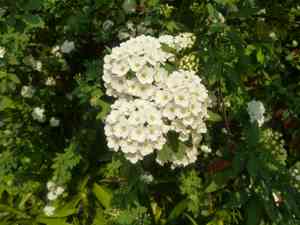
Tosa spirea, known for its graceful blossoms and thick leaves, thrives with trimming in late winter or early spring. Eliminate any deceased, injured, or aged branches to encourage vigorous development and improve flowering. Aim to create an airy framework to facilitate superior air movement. Pruning fosters a more abundant bloom and preserves the plant's intended form and dimensions. Consistent thinning and shaping are essential for sustaining the plant's health and visual attractiveness.
Advantages of Trimming Tosa Spirea
Advantages of Trimming Tosa Spirea
Trimming tosa spirea encourages robust development and maintains its form, ensuring healthy, regulated growth. It boosts flowering, deters illness, and preserves an appealing look, leading to a strong and visually pleasing plant.
Optimal Time for Trimming Tosa Spirea
Optimal Time for Trimming Tosa Spirea
Trimming in early spring or late winter is perfect for tosa spirea as it readies the plant for its active growth phase. This timing allows for the removal of any dead or damaged branches before new growth starts, ensuring a healthier structure and promoting abundant blooms. Additionally, pruning during this period minimizes plant stress and lowers disease risk. Early spring ensures that pruning is completed before the plant's flowering season, which helps maintain its ornamental value and overall health.
Required Tools for Trimming Tosa Spirea
Hand Pruners
Perfect for precise cuts on small stems and branches up to 1/2 inch in diameter, typical for tosa spirea.
Loppers
Useful for cutting thicker branches from 1/2 inch to 1 1/2 inches, allowing for clean cuts and minimal plant harm.
Pruning Saw
Best for removing large or older branches exceeding 1 1/2 inches in diameter. Provides clean cuts which help in minimizing diseases.
Hedge Shears
Efficient for shaping and trimming multiple small branches simultaneously, maintaining the desired form of tosa spirea.
Bypass Pruners
Excellent for general pruning needs, ensuring clean cuts that promote quick healing.
How to Trim Tosa Spirea
Inspect
Examine tosa spirea for any diseased leaves, withered leaves, dead branches, or diseased branches. Ensure thoroughness in identifying all problematic areas.
Clean Tools
Sanitize all pruning tools to prevent the spread of diseases. Use a solution of one part bleach to nine parts water.
Remove Diseased Leaves
Carefully trim off any diseased leaves using clean, sharp scissors or pruning shears. Dispose of these leaves away from the garden to avoid contamination.
Remove Withered Leaves
Trim withered leaves close to the base. Make clean cuts to avoid damaging healthy parts of tosa spirea.
Cut Dead or Diseased Branches
Identify dead or diseased branches and cut them back to the main stem, ensuring that cuts are clean and angled to allow water runoff, preventing fungal growth.
Common Trimming Errors with Tosa Spirea
Over-pruning
Removing too much of the plant can stress it and reduce blooming. It's important to avoid cutting back more than one-third of the plant at any given time.
Improper technique
Using dull or inappropriate tools can result in ragged cuts that inhibit healing and may invite disease. It's essential to use sharp, clean pruning shears.
Incorrect cuts
Making cuts too close to a bud or leaving a long stub can prevent proper healing and lead to die-back. Precision in making cuts just above a bud or lateral branch is crucial.
Pruning at the wrong time
Pruning during incorrect periods can disrupt the plant's natural growth cycle. It's vital to be mindful of the plant's growth phase and flower development stage.
Ignoring plant shape
Not considering the natural shape of the plant can result in an unattractive and unhealthy form. Maintaining the natural growth pattern ensures both aesthetics and vitality.
General Trimming Advice for Tosa Spirea
Use the right tools
Invest in a quality pair of bypass pruning shears for clean cuts. For thicker branches, a pruning saw may be necessary.
Disinfect tools
Before and after pruning, wipe cutting tools with a solution of diluted bleach or alcohol to prevent disease spread.
Identify dead or damaged wood
Begin by removing any dead, diseased, or damaged branches to keep the plant healthy.
Target crossing branches
Eliminate branches that cross each other to reduce rubbing and potential injury, promoting better air circulation.
Shape carefully
Prune to maintain an open center shape, which allows sunlight to penetrate and air to circulate, reducing mold and mildew issues.
Encourage blooms
Cut above a healthy bud facing outward to encourage new growth and blooms in the desired direction.
Step back and assess
Frequently step back to view the plant from different angles to ensure you're maintaining symmetry and not over-pruning.



