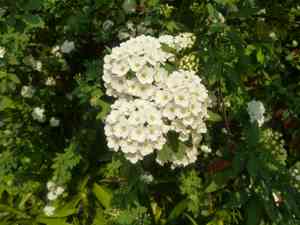
Tosa spirea (Spiraea nipponica)
Also known as: Nippon Spiraea, Japanese Spirea
Redosier Dogwood, with its striking white flowers that appear in early summer, captivates with its natural elegance. The shrub's bluish-green leaves provide a calming backdrop, making it a visually appealing addition to any landscape. Beyond its beauty, Redosier Dogwood is highly valued for its practicality in erosion control, thanks to its robust root system. This hardy, low-maintenance shrub seamlessly combines aesthetic appeal with functional utility.
In This Article
Attributes of Tosa spirea
Lifespan
Perennial
Plant Type
Shrub
Plant Height
2.5 m
Spread
2.5 m
Leaf Color
Green
Flower Size
0.3-0.4 inches (0.8-1 cm)
Flower Color
White
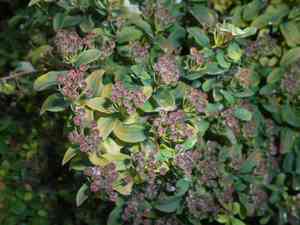
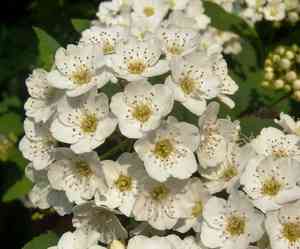
Images of Tosa spirea
Quickly Identify Tosa spirea
1
Look for small, bright green leaves and clusters of small white flowers. The plant typically has a rounded, bushy form. The stems often have a reddish tint.
Scientific Classification of Tosa spirea
Phylum
Vascular plants
Class
Dicotyledons
Order
Rosales
Family
Rose
Genus
Spirea
Species
Tosa spirea
Planting and Growing of Tosa spirea
Care Difficulty
Easy
Watering Schedule
Every 4 days
Sunlight Requirements
Full sun
Sunshine Duration
4-8 hours
Ideal Temperature
65-75℉
Soil Type
Potting Mix, Peat Mix
Soil pH
6.5-7.5
Fertilizer Type
Balanced
Pruning Season
Spring, Summer
Pruning Area
Branches, Leaves
Pruning Frequency
2 times a year
Repotting Season
Spring
Pot Type
Plastic, Ceramic
 How to Water Tosa spirea?
For Spiraea nipponica, ensure the soil is thoroughly moist but not waterlogged. The general principle is to water until about 500 ml has been absorbed, and excess drains away. This promotes deep root growth.
What are the symptoms of an underwatered Tosa spirea?
›
What should I do if my Tosa spirea is not getting enough water?
›
What are the symptoms of an overwatered Tosa spirea?
›
How to save an overwatered Tosa spirea?
›
 What Are the Sunlight Requirements for Tosa spirea?
Ideal lighting for Spiraea nipponica includes full to partial sun. Adequate light promotes vibrant flowering and full foliage, enhancing its ornamental value and overall plant health.
How much sunlight does Spiraea nipponica need?
›
How can you ensure ideal lighting conditions?
›
What benefits arise from ideal lighting?
›
 What Is the Ideal Temperature Range for Tosa spirea?
The ideal temperature range for Spiraea nipponica is between 65°F and 75°F. This range provides a balanced environment that allows the plant to photosynthesize efficiently, leading to healthy foliage and blooms. Consistent temperatures within this range reduce stress factors and permit the best possible growth rate.
 What Soil is Best for Tosa spirea?
Spiraea nipponica thrives in well-drained soil which prevents root rot and fosters healthy root development. This kind of soil ensures that excess water doesn't stagnate, reducing the risk of fungal infections. The plant prefers soil with moderate fertility, which provides essential nutrients without causing excessive growth that weakens the plant structure. Balanced nutrient levels are key for optimal blooming and health. While Spiraea nipponica prefers well-drained soil, it should also retain some moisture to keep the plant hydrated. This balance is crucial for consistent growth and blooming throughout the season.
 How to Fertilize Tosa spirea?
Spiraea nipponica benefits from a balanced fertilizer formula. For liquid fertilizers, use a dilution of 1 tablespoon per gallon of water. For slow-release granules, follow package instructions but generally apply 1 cup per plant, ensuring even coverage around the root zone.
 How to Prune Tosa spirea?
Begin by examining your Spiraea nipponica for dead, damaged, or diseased branches. Use clean, sharp pruning shears to remove these at the base. Trim back any overly long branches to maintain the shrub's desired shape and encourage lush growth. Aim to prune soon after flowering to prevent loss of blooms.
More About Pruning Techniques→
 How to Propagate Tosa spirea plant?
1
Choose mature and disease-free parent plants for taking cuttings. This ensures that you start with the best genetic material and enhances the chances of successful growth.
2
Cut segments of about 6 inches in length with at least two nodes. Remove the lower leaves and dip cut ends in rooting hormone before planting in a prepared propagating medium.
3
Place the cuttings in a propagating tray with humidity control. Cover with a plastic dome or place in a greenhouse to maintain moisture levels and enhance root development.
 How to Repot Tosa spirea plant?
1
Spiraea nipponica signals its need for repotting when roots begin to peek out from drainage holes, indicating it's becoming root-bound. Additionally, if water pools on the surface instead of quickly draining, it's time to consider a larger pot. Ideally, aim to repot during early spring when the plant's growth cycle is just beginning, minimizing stress and maximizing recovery time.
2
Opt for a pot that is one size larger than the current one to accommodate new root growth. Ensure it has ample drainage holes to prevent waterlogging, which can cause root rot. A slightly wider pot can also aid in stabilizing a top-heavy Spiraea, reducing the risk of tipping during windy conditions.
3
Select loamy soil with excellent drainage to prevent root rot and help retain needed moisture. The ideal mix should allow easy aeration and drainage while maintaining adequate nutrients for sustained growth. Avoid heavy clay-based soils, which can compact and suffocate the roots of Spiraea nipponica.



