How to Propagate Tosa spirea?
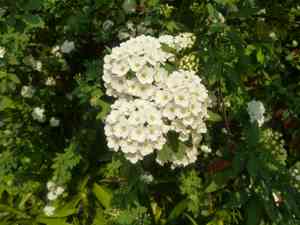
Tosa spirea, a blooming shrub, is recognized for its appealing bunches of white blossoms and thick leaves. For propagation, acquire semi-hardwood sections, making sure each possesses a minimum of two leaf nodes, and immerse them in rooting stimulant to boost root formation. Position these sections in adequately draining substrate and sustain a continuously damp setting. Perseverance is crucial, as the establishment of rooted sections can require multiple weeks.
Optimal Time for Tosa Spirea Propagation
Propagation Method
Cutting
Propagation Period
Autumn,Winter
Tools for Tosa Spirea Propagation
Pruning Shears
Employ pruning shears to obtain clean, precise cuts from tosa spirea. They are particularly effective at preventing tissue damage, which is vital for successful propagation.
Rooting Hormone
Apply rooting hormone to the severed ends of tosa spirea cuttings to encourage root formation. This product boosts the likelihood of successful rooting by supplying essential hormones that stimulate root growth.
Sterilized Container or Pot
Utilize a sterilized container or pot with well-draining soil for planting tosa spirea cuttings. Sterilization prevents the introduction of harmful microbes, ensuring a healthy environment for young plants.
Soil Moisture Meter
Monitor the soil's moisture levels using a soil moisture meter. Consistent dampness is crucial for tosa spirea cuttings to develop roots, and this device helps maintain ideal humidity without overwatering.
Humidity Dome or Plastic Bag
Create a humid atmosphere by placing a humidity dome or plastic bag over the pot containing tosa spirea cuttings. This reduces water loss through transpiration and helps maintain high humidity, promoting root development.
Heat Mat
Position a heat mat beneath the container to provide warmth from below, encouraging root development in tosa spirea cuttings. Consistent warmth aids in faster and stronger root formation.
Spray Bottle
Use a spray bottle to regularly mist the tosa spirea cuttings. Misting helps maintain humidity and prevents the cuttings from drying out, which is essential for successful rooting.
Label and Marker
Mark each container with a label and marker to track the propagation date and specific details of tosa spirea. Accurate labeling assists in monitoring progress and maintaining records.
How to Propagate Tosa Spirea?
Propagation Type
Moderately Difficult
Caring for Your Newly Propagated Tosa Spirea
Caring for Your Newly Propagated Tosa Spirea
Once the cutting develops roots, typically within a few weeks, gradually introduce tosa spirea to outdoor conditions by reducing humidity and increasing light exposure. After establishment, plant tosa spirea in well-drained soil in a sunny or partially shaded spot. Water the young plant regularly, especially during dry spells, and apply a balanced fertilizer during the growing season. Pruning can help maintain its desired shape and encourage bushier growth.
Common Propagation Errors for Tosa Spirea
Overwatering
Excessive moisture can lead to root rot, hindering tosa spirea cuttings from establishing and growing.
Using Heavy Soil
Dense or clay-rich soils can retain too much water and impede root development, reducing propagation success.
Inadequate Light
Insufficient light can slow the growth of tosa spirea cuttings, resulting in weak and elongated plants.
Improper Timing of Cuttings
Taking cuttings when the plant is not at its peak health or growth stage can lead to low rooting success and poor plant vigor.
Poor Sanitation
Using uncleaned tools or containers can introduce pathogens, causing diseases that can kill young tosa spirea cuttings.
Advice for Propagating Tosa Spirea
Optimal Soil Mix
Employ a well-draining soil blend, such as a combination of perlite, sand, and peat, to ensure good aeration and moisture balance.
Right Moisture Levels
Keep the soil consistently moist but not waterlogged, to provide the ideal environment for root development.
Adequate Lighting
Position tosa spirea cuttings in a bright area with indirect sunlight to promote healthy growth and robust root systems.
Healthy Cuttings
Select healthy, disease-free stems for cuttings to maximize the chances of successful propagation.
Sanitize Tools
Always use clean and sterilized tools to prevent the spread of diseases and ensure the health of your cuttings.



