How to Prune Harlequin flower?
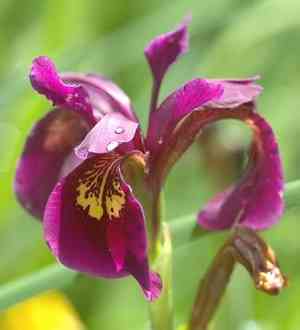
A vivid, bulb-forming perennial, harlequin flower produces bright, multi-hued blossoms. To achieve peak development, remove faded flowers to stimulate additional blooming. Following the flowering period, permit the foliage to wither organically, which supplies nutrients for the subsequent season's blooms. Trim back discolored leaves during late autumn. The most suitable time for trimming coincides with periods of active development, generally from spring to autumn. Pruning aids harlequin flower by directing energy toward bulb reinforcement for abundant future flowering.
Advantages of Trimming Harlequin Flower
Advantages of Trimming Harlequin Flower
Trimming harlequin flower promotes a more profuse bloom, stimulates robust development, and helps maintain its desired shape, ensuring an attractive garden display.
Optimal Period for Pruning Harlequin Flower
Optimal Period for Pruning Harlequin Flower
Pruning or trimming harlequin flower is best done in late summer or autumn, once the blooming phase has ended. At this point, the plant has already used its energy for flowers and is entering dormancy, making it an ideal time to trim without hindering future blooms. Late summer pruning allows for the removal of spent flowers, which can boost the plant's overall vitality and prepare it for the next growth cycle. Autumn pruning is perfect for shaping and eliminating any dead or diseased foliage, which helps prevent potential pest issues and illnesses, fostering healthier growth in the upcoming spring. These practices align with the plant's natural leaf dieback as it gets ready for winter dormancy. Avoid pruning harlequin flower in spring or early summer, as this might disrupt flower bud development and decrease the plant's blooming potential for that season.
Tools Required for Pruning Harlequin Flower
Sterile Snips or Shears
These are crucial for precise and clean cuts through the slender stems of harlequin flower. They minimize the risk of disease transmission due to their sterilizable blades.
Gardening Gloves
Protection is vital when handling harlequin flower to prevent potential skin irritation from plant sap and to provide a firm grip for accurate pruning.
Soft Ties or Plant Tape
These are used for gently supporting harlequin flower if needed after pruning. Their application helps maintain the correct shape and growth direction.
Waste Container or Bag
This is necessary for immediate disposal of pruning debris to keep the area tidy and reduce the spread of pests or diseases.
How to Prune Harlequin Flower
Disinfect Tools
Before beginning the pruning process, ensure all cutting implements are disinfected to prevent introducing pathogens to harlequin flower.
Remove Diseased Leaves
Carefully inspect harlequin flower for any signs of leaf disease. Using your disinfected pruning shears, gently snip off the affected foliage at the base without harming the healthy parts of the plant.
Trim Withered Leaves
Identify any yellow or brown, dried-up leaves on harlequin flower. Prune these leaves at their base to encourage healthy growth and improve air circulation around the plant.
Deadhead Flowers
Remove faded flowers from harlequin flower by cutting the stem of the spent bloom at its base or just above the next healthy leaf. This encourages continuous blooming by preventing the plant from directing energy to seed production.
Clean Up
After pruning harlequin flower, gather and discard all removed plant material to lessen the risk of disease. Clean and disinfect your pruning tools again to prevent cross-contamination for future use.
Common Pruning Errors with Harlequin Flower
Overpruning
Removing too much foliage from harlequin flower can stress the plant and impede its ability to photosynthesize and store energy for the subsequent growing season.
Incorrect Cutting
Making cuts on harlequin flower too close to the bulb or too far from the dead tissue can harm the plant and make it more vulnerable to diseases.
Pruning Live Foliage
Cutting live foliage instead of waiting for it to naturally die back can deplete harlequin flower's energy reserves that are reabsorbed by the bulb.
Ignoring Diseased Material
Failing to remove and dispose of diseased or pest-infested plant material can lead to further infection and damage to harlequin flower.
Dirty Tools
Using tools that are not clean and sanitized can introduce pathogens to harlequin flower, leading to infections or diseases.
Injury To Bulbs
Accidental damage to the bulbs during pruning can negatively impact the future growth and flowering of harlequin flower.
General Pruning Advice for Harlequin Flower
Post Bloom Care
After harlequin flower has finished blooming, allow the leaves to remain until they have yellowed and withered, as this is when they are photosynthesizing and supplying energy to the bulb for the following year's growth.
Clean Cuts
Make precise cuts with sharp, sterilized pruning tools to prevent damage to harlequin flower and reduce the risk of spreading diseases.
Prune Dead Material
Carefully prune only the yellowed or dead foliage and spent flowers to maintain good health and appearance without compromising the plant's energy storage.
Healthy Plant Monitoring
Regularly inspect harlequin flower for signs of pests or diseases when pruning and take appropriate actions, such as removal and disposal of infected material, to prevent spread.
Bulb Protection
When cutting back dead foliage, leave a small amount of stem to protect the bulb of harlequin flower from any accidental damage.
Disposal Of Material
Dispose of the pruned material properly away from harlequin flower to prevent any disease or pests from potentially re-infecting the area.



