The Harlequin flower Plant Advantage: Maximizing Home and Office Appeal and Wellness
1
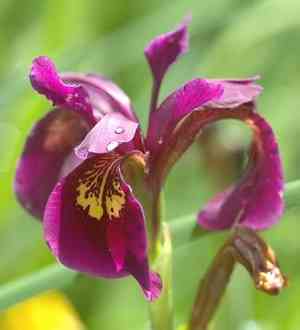
The Harlequin flower displays a vivid spectrum of hues, enriching any garden space.
2
This botanical specimen demands little upkeep, ideal for gardeners with limited time.
3
Harlequin flower draws in beneficial insects such as bees and butterflies, fostering a more robust environment.
Why Select Harlequin Flower for Your Garden?
Aesthetic Appeal
Harlequin flower is celebrated for its lively and diverse color range, showcasing hues of red, yellow, orange, and even white. These striking blossoms can brighten any garden area, making it a beautiful spectacle for both experienced gardeners and guests. Its flowers are typically star-shaped, adding a distinctive touch to your floral arrangements.
Effortless Upkeep
One of the most attractive features of Harlequin flower is its minimal care requirements. This plant flourishes in well-drained soil and prefers full sun but can also endure partial shade. Consistent watering is crucial, especially during dry spells, but Harlequin flower is generally robust and can tolerate some neglect, making it ideal for those with busy schedules. Moreover, it doesn't need frequent fertilization, saving you time and money.
How Does Harlequin Flower Benefit the Ecosystem?
Attracts Pollinators
Harlequin flower acts as a draw for beneficial pollinators like bees and butterflies. The plant's colorful blooms and nectar entice these insects, which in turn aid in the pollination of other plants in your garden. This not only enhances your garden's overall biodiversity but also supports local ecosystems and food production.
Enhances Soil Quality
Another ecological advantage of Harlequin flower is its positive influence on soil health. The plant's root system helps to aerate the soil, facilitating better water penetration and reducing soil compaction. Over time, this can lead to healthier, more fertile soil, benefiting your entire garden.
What Are the Optimal Planting Methods for Harlequin Flower?
Ideal Growing Conditions
For best growth, Harlequin flower should be planted in well-draining soil with a pH level between 6.0 and 7.0. It's recommended to choose a spot that receives at least six hours of sunlight daily. Plant bulbs approximately 3-4 inches deep and spaced about 4-6 inches apart to allow ample room for growth and spread.
Seasonal Care
While Harlequin flower requires relatively little maintenance, seasonal care can help ensure its longevity and vibrancy. During the active growing period, provide regular watering and remove any dead or yellowing leaves to encourage healthy development. In colder climates, consider applying mulch around the plant's base to protect it from frost.
How to Integrate Harlequin Flower into Your Garden Design?
Complementary Plantings
Harlequin flower can be combined with other plants to create a harmonious and visually appealing garden design. Consider planting it alongside perennial grasses or other flowering plants that bloom at different times of the year. This will ensure your garden has continuous color and interest throughout the seasons.
Container Gardening
If you have limited garden space or prefer a more flexible planting option, Harlequin flower also thrives in containers. Select a well-draining pot and use a high-quality potting mix. Place the container in a sunny location and be sure to water it consistently. This method allows you to relocate the plant around your garden or even indoors, depending on your design preferences.
What Are the Common Pests and Diseases Affecting Harlequin Flower?
Common Pests
Harlequin flower is fairly pest-resistant, but it can occasionally succumb to common garden pests such as aphids, snails, and slugs. Regular inspection and the use of organic pest control methods, such as neem oil or diatomaceous earth, can help keep these pests under control.
Disease Management
Fungal diseases, such as powdery mildew, can impact Harlequin flower if the plant is overwatered or planted in poorly draining soil. To prevent these diseases, ensure adequate spacing between plants for air circulation and avoid overhead watering. If you observe any signs of disease, treat the plant with an appropriate fungicide and remove any affected foliage.



