
Harlequin flower (Sparaxis tricolor)
Also known as: Scarlet wand flower, Sparaxis
**Freesia** is a bulb-forming perennial species known for its vibrant and fragrant flowers. Native to South Africa, Freesias are recognized for being easy to grow and generally resistant to diseases. They are a popular choice for both gardens and floral arrangements.
In This Article
Attributes of Harlequin flower
Lifespan
Perennial
Plant Type
Herb
Plant Height
10 cm to 40 cm
Spread
7 cm to 12 cm
Leaf Color
Green
Flower Size
5 cm
Flower Color
Red Orange Yellow Purple White Black
Images of Harlequin flower
Quickly Identify Harlequin flower
1
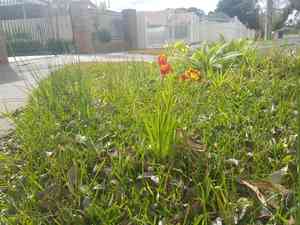
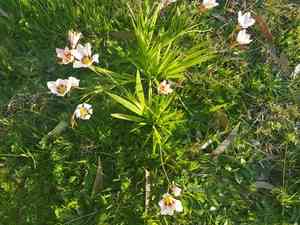
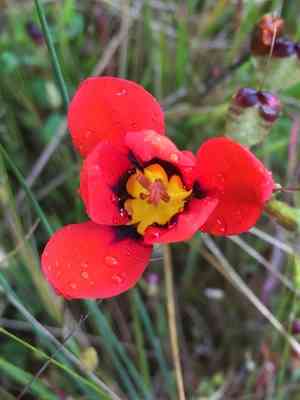
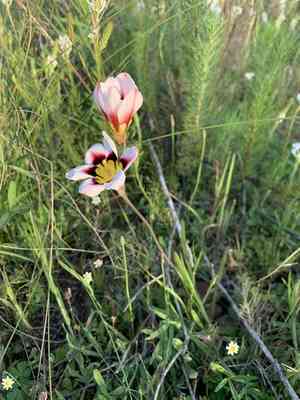
To identify Sparaxis tricolor, look for its three-colored flowers with a bright, often contrasting center. The leaves are sword-shaped, arranged in a fan-like outspread from the base of the plant.
Scientific Classification of Harlequin flower
Phylum
Vascular plants
Class
Monocotyledons
Order
Asparagales
Family
Iris
Genus
Harlequin flowers
Species
Harlequin flower
Planting and Growing of Harlequin flower
Care Difficulty
Easy
Watering Schedule
Every 4 days
Sunlight Requirements
Full sun
Sunshine Duration
4-6 hours
Ideal Temperature
60-75℉
Soil Type
Potting Mix, Peat Mix
Soil pH
6.5-7.5
Fertilizer Type
Balanced
Pruning Season
Spring, Summer
Pruning Area
Branches, Leaves
Pruning Frequency
2 times a year
Repotting Season
Spring
Pot Type
Plastic, Ceramic
 How to Water Harlequin flower?
For Sparaxis tricolor, it's essential to provide around 250 ml of water per session. This ensures the soil is adequately moist but not waterlogged. The aim is to keep the upper layers rich in moisture, without creating stagnant water that could harm the plant's roots.
What are the symptoms of an underwatered Harlequin flower?
›
What should I do if my Harlequin flower is not getting enough water?
›
What are the symptoms of an overwatered Harlequin flower?
›
How to save an overwatered Harlequin flower?
›
 What Are the Sunlight Requirements for Harlequin flower?
Sparaxis tricolor ideally requires full sun exposure, meaning it should get 6 to 8 hours of direct sunlight daily. This ensures vibrant blooming and optimal health, allowing its unique coloration to shine through.
More About Sunlight Requirements Techniques→
What is the ideal sunlight exposure for Sparaxis tricolor?
›
How can I ensure Sparaxis tricolor gets ideal light?
›
What are the benefits of ideal light for Sparaxis tricolor?
›
 What Is the Ideal Temperature Range for Harlequin flower?
Sparaxis tricolor thrives best between 60°F and 75°F. This range ensures the plant receives adequate warmth without excessive heat that may stress its growth. Consistent temperatures within this range will promote healthy foliage and vibrant blooms.
 What Soil is Best for Harlequin flower?
Sparaxis tricolor thrives in soil that offers excellent drainage to avoid waterlogging. Well-draining soil ensures that the roots receive ample oxygen and reduces the risk of root rot, which can severely impact the plant's health. A nutrient-rich soil provides essential minerals and nutrients required for lush foliage and vibrant flowers. Using organic matter like compost can enhance soil fertility, promoting vigorous growth and abundant blooms. Soil with moderate moisture retention ensures that the plant has access to adequate water without remaining overly wet. This balance helps maintain healthy root systems and prevents dehydration during dry spells.
 How to Fertilize Harlequin flower?
For Sparaxis tricolor, apply a balanced, all-purpose fertilizer diluted to half strength for liquid fertilizers. Ensure the fertilizer is light enough to promote steady growth without overwhelming the plant’s delicate root system.
 How to Prune Harlequin flower?
To begin pruning Sparaxis tricolor, ensure you have a pair of clean, sharp gardening scissors. Identify any dead or withered leaves and flowers from the previous season; these can be snipped off close to the base of the plant. This not only tidies up the plant but also redirects its energy into healthy new growth, leading to a more robust floral display. After the spring blooming period, carefully trim away any spent flowers to prevent the plant from expending energy on seed production. Deadheading is done by cutting just above the next healthy leaf set. This practice encourages the development of new buds and an extended blooming season, ensuring your Sparaxis remains visually appealing throughout its peak growing period.
More About Pruning Techniques→
 How to Propagate Harlequin flower plant?
1
Plant the seeds in seedling trays filled with a well-draining seed-starting mix. Place the seeds on the surface and lightly cover them with a thin layer of soil. Maintain moisture and provide indirect sunlight until they germinate.
2
In early spring, carefully dig up the mature Sparaxis tricolor plants when they are dormant. Separate the corms, ensuring each division has roots and a portion of the corm. Replant immediately at the same depth as the original plant.
3
Ensure the soil is well-drained, as Sparaxis tricolor prefers sandy to loamy soil. Before planting seeds or divisions, enrich the soil with organic matter to enhance aeration and nutrient content, which is crucial for healthy growth.
 How to Repot Harlequin flower plant?
1
Sparaxis tricolor shows it needs repotting when it becomes root-bound, evident by roots circling the pot or poking through drainage holes. Repot in early spring when the plant begins to show new growth. This timing leverages the plant's renewed vigor after dormancy, minimizing stress and maximizing adaption in its new pot.
2
Select a pot with adequate drainage holes, slightly larger than the current one. This size facilitates root expansion without overwhelming the plant with excess soil which can retain moisture and cause root rot. A breathable material like terracotta is ideal as it allows better soil aeration, ensuring the roots remain healthy.
3
Use a sandy mix that mimics Sparaxis tricolor’s natural habitat. A well-draining soil prevents waterlogging, protecting the plant from root rot. Mixing organic compost into sandy soil provides just the right balance of drainage and nutrient supply, supporting healthy growth post-repotting.



