Enhancing Your Garden Design with the Harlequin flower Plant: A Landscaping Guide
1
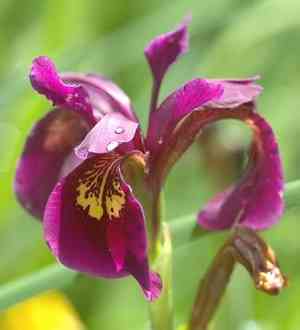
Harlequin flower provides vivid hues that can immediately enhance your garden's visual appeal.
2
Harlequin flower typically blossoms in spring, guaranteeing a colorful garden following winter's dormancy.
3
Strategic positioning and complementary planting can optimize the aesthetic effect of Harlequin flower in any garden environment.
Introducing Harlequin Flower to Your Garden: A Visual Impact Analysis
Colorful blooms: How Harlequin flowerâs vibrant colors enhance garden aesthetics
Harlequin flower makes a wonderful addition to any garden due to its striking and colorful blossoms. The vivid shades of Harlequin flower can create a beautiful contrast against green foliage, offering a burst of color that captures attention. With various hues from deep reds to bright yellows, Harlequin flower can complement any garden's color scheme, making it an ideal choice for gardeners seeking to add vibrancy to their outdoor space. These flowers can easily become the focal point of your garden, making them a valuable asset for visual appeal.
Seasonal considerations: Best time of year for Harlequin flower blooms
The prime period for Harlequin flower's blossoms is during the spring season. This timing ensures the garden comes alive after the colder, less colorful winter months. Planting Harlequin flower bulbs in the fall allows them to establish roots before flowering in spring, leading to a lush and vibrant display as the weather warms. Understanding the seasonal nature of Harlequin flower's blooms can help you plan your garden's overall aesthetics, ensuring there's always a highlight during the year. Regularly refreshing the plantings each fall ensures annual springtime brightness.
Placement tips: Maximizing visibility and contrast
Strategic placement is vital to maximizing the visual impact of Harlequin flower. To make the most of their vibrant colors, consider planting Harlequin flower in locations where they will receive full sunlight, as this enhances their bloom colors. Additionally, positioning them against a backdrop of contrasting colors, such as dark green shrubs or foliage, will ensure they stand out. For optimal visibility, plant Harlequin flower in clusters or drifts within borders, raised beds, or along pathways, creating a burst of color that catches the eye at every turn.
Companion Planting with Harlequin Flower
Suitable companion plants for Harlequin flower: Creating a cohesive look
When selecting companion plants for Harlequin flower, choose species that thrive under similar conditions. Plants such as lavender, salvia, or ornamental grasses can complement Harlequin flower well. These companions not only share similar sunlight and watering needs but also offer different textures and heights, creating a well-balanced and dynamic garden design. By integrating Harlequin flower with these compatible plants, you can create a harmonious and aesthetically pleasing garden that is both low-maintenance and high-impact.
Color schemes: Building a palette that complements Harlequin flower's colors
Building a garden palette that complements Harlequin flower's vibrant colors involves selecting plants with blooms or foliage that either harmonize or contrast effectively with Harlequin flower. Cool colors like purples and blues can create a calming effect that balances Harlequin flower's brightness, while hot colors like reds and oranges can intensify the visual impact. Assess the color wheel and choose monochromatic or complementary schemes based on the specific shades of Harlequin flower you have. This thoughtful color coordination can make your garden visually cohesive and striking.
Spacing and arrangement tips: Optimal layouts for growth and display
Proper spacing and arrangement are essential for both the health of Harlequin flower and the overall aesthetic of the garden. Ensure each plant has sufficient space to grow without overcrowding, as this promotes better air circulation and reduces disease risk. A staggered or layered planting approach can create depth and dimension in your garden, making the display more engaging. Consider the mature height and spread of each plant when planning your layout. Adequate spacing also makes maintenance tasks easier, contributing to a healthier and more vibrant garden.
Impact of Harlequin Flower on Overall Garden Design
Visual drawing points: Using Harlequin flower to draw the eye
Harlequin flower can serve as a focal point in your garden, drawing attention with its vivid colors and unique shape. Planting Harlequin flower in key visual spots, such as the center of a garden bed, at the end of a path, or around a seating area, can create 'anchor points' that lead the viewer's eye through the space. This strategic placement enhances the overall design by guiding visual flow and adding interest to specific areas. Using Harlequin flower in these ways can transform ordinary garden sections into dynamic, eye-catching displays.
Scaling and repetition: Strategies for larger gardens
In larger gardens, scaling and repetition of Harlequin flower can create a sense of unity and cohesion. Repeating clusters of Harlequin flower throughout the garden can establish a rhythmic pattern that ties different areas together. This technique works particularly well along borders, walkways, or in large flower beds. Scaling involves varying the size and quantity of Harlequin flower clusters to match the garden's proportions, ensuring that the plants don't get lost in the expanse. These strategies help maintain a balanced and cohesive design, making larger spaces more manageable and visually appealing.
Seasonal landscaping: Transitioning with Harlequin flower through seasons
Harlequin flower plays a significant role in seasonal landscaping by ensuring continuous garden interest throughout the year. While Harlequin flower primarily blooms in spring, integrating plants that flower in different seasons can create a succession of colors and textures. Think of combining Harlequin flower with summer perennials and fall-blooming species to maintain visual interest as seasons change. Additionally, planting evergreens and deciduous shrubs can provide structure and backdrop that highlight Harlequin flower blooms, creating a garden that remains attractive and lively throughout the year.
Maintenance Insights for Harlequin Flower in Landscaping
Basic upkeep tips: Ensuring Harlequin flower's health and bloom
Maintaining Harlequin flower involves some straightforward practices to ensure health and prolific blooming. Regular watering, especially during dry periods, is crucial, but avoid waterlogging as it can cause bulb rot. Applying a balanced fertilizer during the growing season can boost bloom quality and longevity. Deadheading spent flowers not only keeps the garden tidy but also encourages new blooms. Mulching around the base of the plants helps retain soil moisture and suppresses weeds, contributing to a healthier, low-maintenance garden.
Dealing with pests and common issues
Like any plant, Harlequin flower can be susceptible to pests and diseases. Common culprits include aphids, slugs, and snails. Regular inspection of plants and the use of organic pest control methods, such as neem oil or diatomaceous earth, can mitigate these issues. Ensuring good air circulation and avoiding overcrowding can reduce fungal diseases like powdery mildew. In case of severe infestations, removing affected plants promptly can prevent spread to healthy specimens. With proper attention and prevention strategies, Harlequin flower can remain healthy and vibrant throughout its growing season.



