How to Prune Laurel Greenbrier?
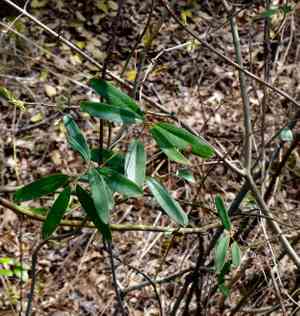
This robust climbing shrub, recognized for its thick, tangled growth and pointed spines, flourishes in diverse settings. Optimal trimming methods for laurel Greenbrier involve judicious thinning to manage its expansion and improve air movement. The timing is crucial; perform pruning in late spring or early summer subsequent to blooming to prevent hindering its development. Pruning benefits laurel Greenbrier by encouraging fresh shoots and preserving its intended form. Always don protective gloves to guard against thorns when working with laurel Greenbrier.
What Are the Benefits of Pruning Laurel Greenbrier?
What Are the Benefits of Pruning Laurel Greenbrier?
Trimming laurel Greenbrier encourages robust development by reallocating energy to healthier shoots and assisting in maintaining its intended form.
What Is the Best Time for Pruning Laurel Greenbrier?
What Is the Best Time for Pruning Laurel Greenbrier?
Trimming laurel Greenbrier from late winter to early spring, just prior to the start of its new growth cycle, ensures rapid recovery and directs energy reserves toward fresh growth. Pruning in early summer, following the initial spring growth, helps manage the shape and size of laurel Greenbrier, minimizing stress as the plant is not in its peak growth phase. These periods avoid cutting laurel Greenbrier in fall when new cuts might not have sufficient time to harden before colder temperatures, potentially leading to damage. Additionally, it ensures that trimming does not disrupt the plant's flowering or fruiting cycles, allowing its natural reproductive process to continue.
What Tools Do I Need to Prune Laurel Greenbrier?
Hand Pruners
Perfect for cutting through small stems and branches of laurel Greenbrier, hand pruners enable precise cuts to shape the plant and eliminate unwanted growth.
Loppers
These are effective for thicker stems and branches that hand pruners cannot manage. Laurel Greenbrier may possess tougher, woodier stems requiring the additional leverage provided by loppers.
Pruning Saw
For the thickest branches of laurel Greenbrier, a pruning saw will be essential for making clean cuts without harming the plant.
Protective Gloves
Given laurel Greenbrier's potentially thorny vines, wearing thick gloves will safeguard hands from scratches and injuries during pruning.
How to Prune Laurel Greenbrier
Disinfect Tools
Before starting, thoroughly clean and sanitize all pruning tools to prevent the transmission of diseases to laurel Greenbrier.
Remove Diseased Leaves
Carefully inspect laurel Greenbrier and snip off any leaves exhibiting signs of illness, using sharp shears for clean cuts without tearing.
Trim Withered Leaves
Identify and remove withered or dead leaves from laurel Greenbrier; these can be gently pulled off by hand if they detach easily or snipped with pruning shears.
Cut Diseased Stems
Locate and prune back any diseased stems on laurel Greenbrier, cutting well below the affected area into healthy tissue to ensure complete removal of all diseased parts.
Clean Up
After pruning laurel Greenbrier, properly dispose of diseased material away from healthy plants, and sterilize all tools again to eliminate pathogens.
Common Pruning Mistakes with Laurel Greenbrier
Over-Pruning
Removing too much growth can stress laurel Greenbrier, resulting in weaker plants or reduced blooms. Aim to remove no more than one-third of the plant's growth in a single pruning session.
Improper Cuts
Making jagged or tearing cuts can harm laurel Greenbrier and introduce pathogens. Use sharp, clean pruning tools and make precise cuts at a 45-degree angle just above a leaf node or bud.
Pruning Without Plan
Random or excessive cutting can lead to an unbalanced shape and impede the natural growth pattern of laurel Greenbrier. Before making cuts, visualize the desired shape and outcome.
Neglecting Tool Hygiene
Failing to disinfect pruning tools before use on laurel Greenbrier can spread diseases between plants. Clean tools before and after use, especially if they've been used on diseased plants.
Ignoring Dead Or Diseased Wood
Overlooking or leaving dead and diseased branches can cause problems for laurel Greenbrier, as they can harbor pests and diseases. Regularly remove unhealthy wood to maintain plant health.
Common Pruning Tips for Laurel Greenbrier
Selective Pruning
Focus on cutting back elongated stems, thinning dense areas, and removing suckers to enhance air circulation and light penetration, promoting healthy growth of laurel Greenbrier.
Maintain Plant'S Natural Form
Prune with the goal of preserving or enhancing the natural shape of laurel Greenbrier. Over-manicuring or forcing an unnatural shape can diminish its aesthetic appeal and vitality.
Encourage New Growth
Selective thinning of older stems prompts laurel Greenbrier to produce new, vigorous growth, keeping the plant youthful and dynamic.
Timing Vigorous Pruning
Prune laurel Greenbrier when it's actively growing, as this aids the plant in healing quickly and producing new growth, though instructions exclude season specification.
Post-Pruning Care
After pruning laurel Greenbrier, provide sufficient water and potentially a balanced, slow-release fertilizer to support recovery and new growth.



