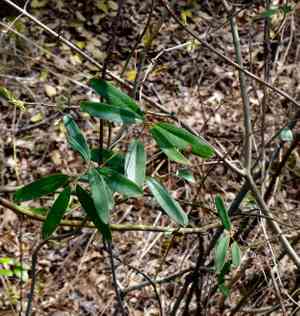
Laurel Greenbrier (Smilax laurifolia)
Also known as: Bamboo Vine
The vine in question is likely the pokeweed (Phytolacca americana). This plant features dark, purplish-black berries that have historically been utilized for dyeing fabrics and leather. It thrives in various light conditions and moist soils. Despite its practical uses, pokeweed is often regarded as a weed in many areas of the Southeastern United States.
In This Article
Attributes of Laurel Greenbrier
Lifespan
Perennial
Plant Type
Herb
Plant Height
3.5 m to 6 m
Spread
6 mm
Leaf Color
Dark green and glossy
Flower Size
2.5 cm
Flower Color
Yellow Green
Images of Laurel Greenbrier
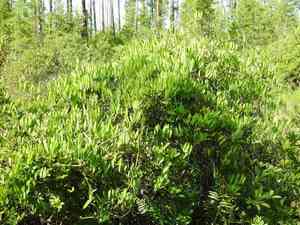
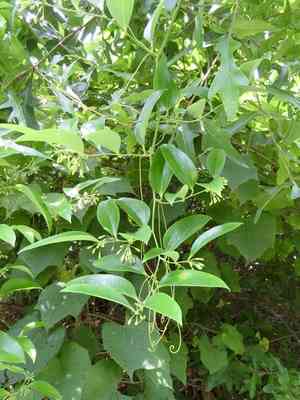

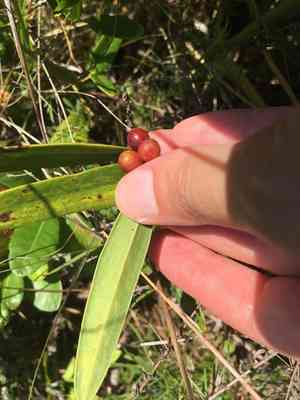
Quickly Identify Laurel Greenbrier
1
Heart-shaped leaves up to 5 inches (13 cm) long.
2
Dioecious plant with male and female flowers on separate plants.
3
Fruit transitions from dark red to almost black, clustered berries.
4
Elliptical leaves with prominent midvein, held vertically.
5
Stem with small thorns and climbing tendrils, 0.1-0.4 inches (2.5-10 mm) thick.
Scientific Classification of Laurel Greenbrier
Phylum
Vascular plants
Class
Monocotyledons
Order
Liliales
Family
Greenbrier
Genus
Prickly-ivy
Species
Laurel Greenbrier
Planting and Growing of Laurel Greenbrier
Care Difficulty
Easy
Watering Schedule
Every 3 days
Sunlight Requirements
Partial sun
Sunshine Duration
6-10 hours
Ideal Temperature
68-77℉
Soil Type
Potting Mix, Peat Mix
Soil pH
4.5-6
Fertilizer Type
Balanced
Pruning Season
Spring, Summer
Pruning Area
Branches, Leaves
Pruning Frequency
2 times a year
Repotting Season
Spring
Pot Type
Plastic, Terracotta
 How to Water Laurel Greenbrier?
Smilax laurifolia, also known as the laurel-leaved greenbrier, thrives in swampy conditions which mimic its natural habitat. Watering should ensure the soil is moist but not waterlogged. Ideally, around 500 ml every watering is recommended, soaking the soil until excess water drips from the drainage hole. This method ensures deep root hydration.
What are the symptoms of an underwatered Laurel Greenbrier?
›
What should I do if my Laurel Greenbrier is not getting enough water?
›
What are the symptoms of an overwatered Laurel Greenbrier?
›
How to save an overwatered Laurel Greenbrier?
›
 What Are the Sunlight Requirements for Laurel Greenbrier?
Smilax laurifolia thrives best in situations offering partial to full sun. Ideal lighting promotes optimal photosynthesis, boosting its lushness and robustness, and preventing stress-induced disorders.
More About Sunlight Requirements Techniques→
What is the best light source for Smilax laurifolia?
›
How can I ensure my Smilax laurifolia receives ideal light?
›
What are the benefits of ideal lighting for Smilax laurifolia?
›
 What Is the Ideal Temperature Range for Laurel Greenbrier?
The ideal temperature range for Smilax laurifolia, commonly known as laurel greenbrier, is between 68°F and 77°F. This range provides an optimal environment for the plant to thrive, encouraging healthy growth and vibrant leaf coloration. Maintaining consistent temperatures within this range helps the plant's physiological processes, such as photosynthesis and nutrient uptake, to function efficiently.
 What Soil is Best for Laurel Greenbrier?
Smilax laurifolia thrives in moist environments, so the soil should effectively retain water without becoming waterlogged. This helps the plant sustain its lush, vigorous growth and supports its robust root system. This plant prefers acidic soil, which maintains an optimal nutrient availability. The acidity ensures that essential minerals like iron and manganese are soluble and accessible, promoting lush green foliage. A high organic content in the soil supports microbial activity that breaks down organic matter into nutrients that are easily absorbed by Smilax laurifolia, enhancing overall plant health and growth.
 How to Fertilize Laurel Greenbrier?
For Smilax laurifolia, the amount of fertilizer you apply should be generous yet not excessive. Liquid fertilizers should be applied at a concentration of one tablespoon per gallon of water. For slow-release fertilizers, use about one pound per 100 square feet, ensuring an even distribution. Balancing nutrients is key to ensuring healthy growth, so always follow package instructions for specific product recommendations.
 How to Prune Laurel Greenbrier?
When pruning Smilax laurifolia, always use sharp and clean pruning shears to ensure clean cuts and prevent disease spread. Proper tools are essential for effective pruning. Look for any dead, damaged, or diseased branches. Removing these will help the plant direct its energy towards healthier growth. Also, consider pruning any crossing branches that disrupt the plant's shape. When making cuts, aim to prune the branches at a 45-degree angle. This helps water runoff and reduces the risk of disease. Make your cuts just above a healthy bud for optimal growth.
More About Pruning Techniques→
 How to Propagate Laurel Greenbrier plant?
1
Start by soaking the seeds overnight to soften the seed coat and promote germination. Use a well-draining seed-starting mix in your seed tray. Press the seeds lightly into the soil but do not bury them deeply.
2
Select healthy sections of the plant's stems. Cuttings should be approximately 4 to 6 inches long. Remove any leaves from the lower half to reduce moisture loss and plant them in potting mix.
3
Dig up the plant carefully, ensuring minimal root disturbance. Use a sharp knife to divide the root ball into sections, each with a few shoots. Replant these sections promptly in prepared soil.
 How to Repot Laurel Greenbrier plant?
1
For Smilax laurifolia, notice the signals such as the roots crowding and growing through the drainage holes, or the soil drying out too quickly. These are good indications that repotting should occur. Repotting is best done during the growth periods in Spring and Summer, ensuring the plant is robust enough to recover smoothly.
2
Select a pot that's an inch or two larger in diameter than the current one. Make sure it has sufficient drainage holes to prevent waterlogging, which could lead to root rot. The right pot size and drainage will allow roots to spread comfortably, promoting healthy growth.
3
Opt for a well-draining, acidic soil mix, slightly richer than traditional indoor potting mixes. Smilax laurifolia thrives in such conditions, where soil can retain adequate moisture without suffocating roots, encouraging a healthy lifecycle.



