The Laurel Greenbrier Plant Advantage: Maximizing Home and Office Appeal and Wellness
1
Laurel Greenbrier acts as a natural defense against soil erosion, securing the ground in diverse settings.
2
It offers crucial living space and sustenance for animals, fostering ecological variety.
3
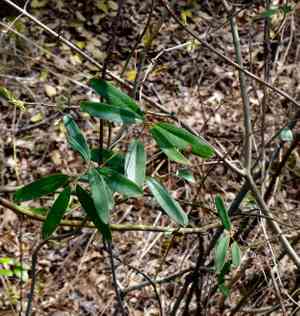
This plant presents significant aesthetic appeal due to its vibrant, year-round leaves.
Why is Laurel Greenbrier Environmentally Important?
Ground Stability and Erosion Prevention
Laurel Greenbrier excels at stopping soil erosion due to its strong root system. The plant secures the earth, lowering the chance of landslides and soil loss, which is particularly helpful in areas with heavy rain or near riverbanks. Its capacity to stabilize soil makes it a valuable part of reforestation and land recovery efforts.
Wildlife Habitat
The dense leaves of Laurel Greenbrier offer excellent shelter for various animal species, including birds, small mammals, and insects. The plant's berries are a vital food source for many birds and small creatures. By planting Laurel Greenbrier, you contribute to biodiversity and support the local ecosystem.
Aesthetic Value of Laurel Greenbrier
Beauty and Landscape Design
Laurel Greenbrier is highly valued for its decorative qualities. Its lush, evergreen foliage stays vibrant all year, adding greenery even in winter. This makes it a popular choice for hedges, ground covers, and ornamental arbors in gardens and landscapes.
Adaptability in Garden Planning
The plant's climbing habit allows for creative use in garden designs. Whether trained on trellises or allowed to spread as ground cover, Laurel Greenbrier adds vertical and horizontal interest to any outdoor space. Its ability to adapt to different soil and light conditions makes it an excellent choice for diverse gardening needs.
How to Grow Laurel Greenbrier Successfully?
Optimal Growing Conditions
Laurel Greenbrier thrives in well-drained soils and can grow in various light conditions, from full sun to partial shade. It prefers acidic to neutral soil pH and benefits from soil rich in organic matter. Regular watering is crucial, especially during establishment, but once mature, Laurel Greenbrier can tolerate some dry spells.
Upkeep and Care
Caring for Laurel Greenbrier is relatively simple. Pruning is necessary to manage its growth and maintain desired shapes. Removing dead or damaged leaves helps keep the plant healthy and vibrant. Fertilizing in spring with a balanced fertilizer will encourage strong growth. Pest and disease issues are minimal, making Laurel Greenbrier a low-maintenance addition to any landscape.
Financial Advantages of Cultivating Laurel Greenbrier
Expenses and Savings
Once established, Laurel Greenbrier requires minimal upkeep, reducing long-term landscaping costs. Its longevity and resilience mean it doesn't need frequent replacement, offering cost savings over time. Additionally, its ability to prevent soil erosion can save on potential landscape repair expenses.
Income Potential
For commercial growers, Laurel Greenbrier offers revenue opportunities through the nursery trade. Its popularity as an ornamental plant means it can be sold in garden centers and nurseries. Furthermore, its use in ecological restoration projects can provide another income stream. By including Laurel Greenbrier in your plant offerings, you cater to both aesthetic and environmental markets.



