How to Propagate Laurel Greenbrier?
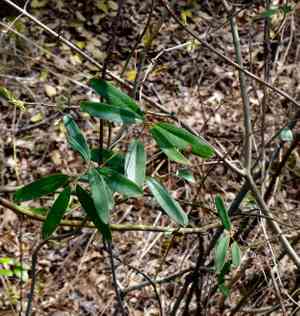
Smilax laurifolia is a robust woody climber that flourishes across diverse environments, rendering it a versatile inclusion for horticultural settings. Its durable characteristics enable propagation through cuttings, presenting a viable technique for cultivators to enlarge their assortment. For optimal results, procure vigorous cuttings, apply rooting stimulant, and supply adequate substrate moisture and warmth to foster root formation. The hardiness of Smilax laurifolia positions it as an outstanding choice for those aiming to cultivate a strong and appealing vine.
Optimal Time for Laurel Greenbrier Propagation
Propagation Type
Cutting
Propagation Season
Spring,Summer
Tools for Laurel Greenbrier Propagation
Sharp Pruning Shears
Crucial for obtaining cuttings from laurel Greenbrier. Keen blades ensure a clean cut, minimizing harm to the parent plant and boosting the likelihood of successful rooting.
Rooting Hormone
This chemical agent stimulates root formation in laurel Greenbrier cuttings. It aids in accelerating root growth, thereby increasing propagation success rates.
Sterile Potting Mix
Employing a sterile medium prevents the introduction of harmful pathogens to laurel Greenbrier cuttings. It supports robust root development during the initial propagation phases.
Humidity Dome
Sustains elevated humidity levels around laurel Greenbrier cuttings, vital for preventing water loss through transpiration. This creates an ideal environment for rooting.
Heating Mat
Delivers consistent warmth to the base, necessary for encouraging root development in laurel Greenbrier cuttings. This is essential during colder periods or in cooler climates.
Propagating Laurel Greenbrier
Propagation Type
Easy
Post-Propagation Care for Laurel Greenbrier
Post-Propagation Care for Laurel Greenbrier
Following propagation, gradually introduce laurel Greenbrier to less humid conditions by progressively uncovering the plastic over several days. Once established, water laurel Greenbrier when the top inch of soil feels dry. Provide partial shade as laurel Greenbrier prefers indirect sunlight. Fertilize monthly with a balanced, water-soluble fertilizer during the growing season. Regularly check for pests and diseases as laurel Greenbrier is resistant but not immune.
Common Errors to Avoid When Propagating Laurel Greenbrier
Incorrect cutting length
Selecting stems that are either too short or too long can impede successful root development in laurel Greenbrier. Short cuts may lack sufficient nodes for new growth, while excessively long ones are more prone to rot before rooting.
Overwatering
While maintaining moisture is crucial for cuttings to root, too much water can lead to fungal diseases in laurel Greenbrier cuttings, hindering successful propagation.
Using non-sterilized tools
Propagation attempts with unclean tools can introduce pathogens to laurel Greenbrier cuttings, inhibiting growth or even causing plant demise.
Advice for Propagating Laurel Greenbrier
Use semi-hardwood cuttings
This segment of the laurel Greenbrier typically roots best. These cuttings, taken from mature yet somewhat flexible branches, offer an optimal balance for rooting.
Maintain high humidity
Utilizing a humidity dome or plastic bags to cover laurel Greenbrier cuttings can significantly enhance the moisture retention required for rooting.
Sterilize propagation tools
Before taking cuttings from laurel Greenbrier for propagation, ensure all tools are clean and sterilized to prevent the introduction of diseases to the new plants.



