How to Prune Swordleaf blue-eyed grass?
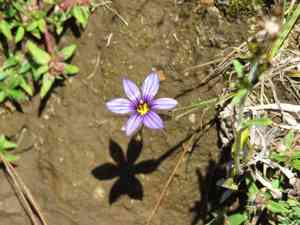
This enduring plant, characterized by its blade-like leaves and azure blossoms, thrives with the careful elimination of faded flowers and compromised foliage. Perform trimming in the springtime to sculpt its form and stimulate denser development, remove spent blooms during summer, and neaten it in autumn. Such maintenance boosts the plant's robustness and visual charm. Employ sanitized, keen cutting tools to prevent harm to swordleaf blue-eyed grass.
Advantages of Trimming Swordleaf Blue-eyed Grass
Advantages of Trimming Swordleaf Blue-eyed Grass
Trimming swordleaf blue-eyed grass promotes robust development and maintains its compact shape. Removing faded blossoms can encourage new flowers and keep the foliage dense and appealing, adhering to the plant's inherent form and size while preventing excessive growth.
Optimal Period for Pruning Swordleaf Blue-eyed Grass
Optimal Period for Pruning Swordleaf Blue-eyed Grass
Pruning swordleaf blue-eyed grass from late spring to early summer coincides with its post-flowering phase, allowing for the removal of spent blooms and the potential for a second flowering. This timing also enables swordleaf blue-eyed grass to recover and produce new growth that can strengthen before winter. Early autumn pruning is suitable for shaping swordleaf blue-eyed grass and eliminating any damaged or diseased foliage from the summer growth, ensuring the plant stays healthy during winter dormancy without impacting the subsequent year's growth cycle.
Necessary Tools for Pruning Swordleaf Blue-eyed Grass
Bypass Pruners
Perfect for making precise cuts on swordleaf blue-eyed grass, these pruners ensure a clean incision without crushing the delicate foliage and stems.
Hand Shears
Appropriate for trimming back clumps of swordleaf blue-eyed grass at season's end or when tidying the plant's appearance. They provide a straight, even cut across multiple stems simultaneously.
Gardening Gloves
Not a cutting implement, but crucial for hand protection when pruning swordleaf blue-eyed grass, especially as some gardeners might find the foliage slightly irritating.
How to Prune Swordleaf Blue-eyed Grass
Sanitize tools
Before starting the pruning process for swordleaf blue-eyed grass, ensure all tools are disinfected to prevent disease transmission. Use a solution of one part bleach to nine parts water to sanitize pruning shears.
Remove diseased leaves
Carefully inspect swordleaf blue-eyed grass and snip off any diseased leaves. Make clean cuts close to the base of each leaf to avoid harming the surrounding healthy tissue.
Trim withered leaves
Identify and remove wilted or dried leaves from swordleaf blue-eyed grass, which no longer contribute to the plant's growth or aesthetic. Prune them back to their base, being careful not to damage new buds or emerging foliage.
Cut dead branches
Locate and prune any dead branches from swordleaf blue-eyed grass. Cut them at their point of origin or back to the main stem, ensuring a smooth surface that will heal quickly.
Prune diseased branches
Excise any diseased branches from swordleaf blue-eyed grass, making angled cuts well below the affected area to ensure complete removal of diseased tissue. Dispose of the diseased material to prevent contamination of the plant or nearby area.
Common Pruning Errors with Swordleaf Blue-eyed Grass
Excessive pruning
Removing too much foliage can stress swordleaf blue-eyed grass, impeding its growth and flowering ability. Prune sparingly to avoid depleting the plant's energy reserves.
Pruning during active growth
Trimming swordleaf blue-eyed grass during its active growth phase may disrupt its natural growth pattern and reduce flowering. Focus on pruning when the plant is dormant.
Incorrect tool usage
Using dull or dirty pruning tools can harm swordleaf blue-eyed grass, leading to imprecise cuts and potential disease introduction. Always use clean, sharp implements.
Incomplete deadheading
Failing to properly remove spent flowers can lead to seed formation, which may divert energy from new blooms. Ensure all spent blooms are cleanly removed.
General Pruning Advice for Swordleaf Blue-eyed Grass
Targeted pruning
Focus only on dead or damaged foliage and spent flowers to keep swordleaf blue-eyed grass neat and to encourage further blooming without compromising the plant's health.
Gentle approach
Use a light touch when pruning swordleaf blue-eyed grass, as they are delicate plants. Snip just above new buds or side shoots to promote branching and more flowers.
Cleanliness
Prevent disease spread by sterilizing tools before and after pruning swordleaf blue-eyed grass. Regular cleaning ensures healthier cuts and plant well-being.
Cutting angle
Trim with an angled cut to provide swordleaf blue-eyed grass with a larger healing surface and to prevent water accumulation, which could lead to rot.



