The Swordleaf blue-eyed grass Plant Advantage: Maximizing Home and Office Appeal and Wellness
1
Swordleaf blue-eyed grass tolerates dry conditions well, perfect for gardens needing less water.
2
This species draws in helpful pollinators such as bees and butterflies.
3
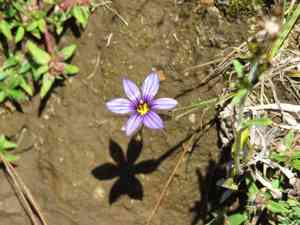
Swordleaf blue-eyed grass offers aesthetic value through its lovely blue-violet blooms.
Why Swordleaf Blue-Eyed Grass is a Superb Garden Addition
Grasping the Plant's Durability
A key attribute of Swordleaf blue-eyed grass is its remarkable hardiness. Flourishing in diverse soil compositions, including sandy and rocky types, this plant displays impressive adaptability. Furthermore, Swordleaf blue-eyed grass is highly resistant to drought, making it an excellent option for gardeners aiming to reduce water consumption. Its capacity to endure harsh conditions ensures even beginners can cultivate it successfully, enhancing outdoor spaces with beauty and sustainability.
Minimal Upkeep Requirements
Garden enthusiasts will value the low-maintenance nature of Swordleaf blue-eyed grass. Once established, this plant demands little intervention, allowing gardeners to enjoy its charm without significant time or effort. Regular watering is only needed during extended dry spells, and fertilization needs are generally minor. With Swordleaf blue-eyed grass, you can achieve a lush, vibrant garden with minimal fuss.
Attracting Beneficial Pollinators
Another significant advantage of Swordleaf blue-eyed grass is its ability to draw in helpful pollinators like bees and butterflies. These pollinators are vital for the health and sustainability of garden ecosystems by aiding the reproduction of various flowering plants. By including Swordleaf blue-eyed grass in your garden, you create a thriving habitat for these crucial creatures, thereby boosting the overall biodiversity of your garden and the broader environment.
How Swordleaf Blue-Eyed Grass Enhances Garden Beauty
Striking Blossoms
One of the most captivating features of Swordleaf blue-eyed grass is its lovely blue-violet flowers. These vivid blooms not only introduce a splash of color to your garden but also act as a focal point in your landscape design. Whether used as a border, ground cover, or in a rock garden, Swordleaf blue-eyed grass's flowers are sure to grab attention and elevate the visual appeal of your outdoor area.
Flexible Landscaping Choices
The adaptable character of Swordleaf blue-eyed grass allows its use in various landscaping scenarios. It can be effectively incorporated into both formal and informal garden designs, offering versatility in its presentation. Additionally, Swordleaf blue-eyed grass pairs well with other plants, making it simple to integrate into existing garden arrangements or new planting schemes. This flexibility ensures you can utilize Swordleaf blue-eyed grass to meet your specific gardening needs and preferences.
Advice for Cultivating and Caring for Swordleaf Blue-Eyed Grass
Ongoing Care and Maintenance
While Swordleaf blue-eyed grass is low-maintenance, a few consistent care practices can help it flourish. Periodically check for pests and diseases, though it generally resists many common garden issues. Trim dead or damaged foliage to maintain its appearance and vigor. In areas with severe winters, consider providing some protection to prevent frost damage. These simple steps will ensure your Swordleaf blue-eyed grass stays healthy and continues to beautify your garden for years.
Optimal Growing Conditions
To ensure the successful growth of Swordleaf blue-eyed grass, it's crucial to understand its preferred growing environment. This plant thrives in full sun to partial shade and favors well-drained soil. Although it can tolerate various soil types, a slightly acidic to neutral pH is ideal. Providing these conditions helps Swordleaf blue-eyed grass prosper, resulting in a robust and visually appealing plant.
Planting Methods
When planting Swordleaf blue-eyed grass, prepare the garden bed by removing weeds and loosening the soil. Plant the seeds or young plants at the recommended depth and spacing, being careful not to overcrowd. Water the plants thoroughly after planting and apply mulch around the base to retain moisture and suppress weeds. Following these planting methods ensures Swordleaf blue-eyed grass gets a strong start in your garden.
What Are the Environmental Benefits of Planting Swordleaf Blue-Eyed Grass?
Supporting Local Wildlife
By planting Swordleaf blue-eyed grass in your garden, you provide vital resources for local wildlife. The plant offers nectar and pollen for bees, while also serving as a food source for certain butterfly species. Additionally, its sturdy foliage can provide shelter for various small creatures. This ecological support creates a balanced environment where plants and animals can coexist harmoniously.
Enhancing Soil Quality
Swordleaf blue-eyed grass contributes to soil health by preventing erosion and improving soil structure. Its root system helps to stabilize the soil, reducing the risk of erosion from wind and water. Moreover, the plant's decomposing foliage adds organic matter to the soil, enriching it with nutrients and enhancing its ability to retain moisture. This improvement in soil quality benefits not only Swordleaf blue-eyed grass but also other plants in your garden.



