How to Prune Widowsfrill?
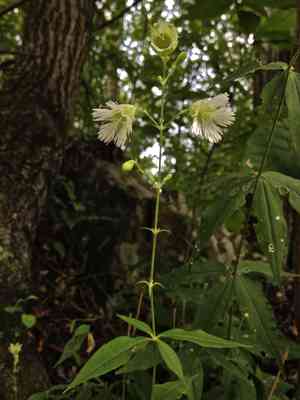
This indigenous perennial, recognized for its stellate blossoms, flourishes with infrequent trimming, mainly to preserve its form and foster flowering. For widowsfrill, conduct pruning in the spring to eliminate deceased or compromised growth, and after blooming in the summer to deter self-propagation if preferred. Strategic trimming can also incite a subsequent flowering period. Verify that implements are keen for precise incisions, which aids in sustaining widowsfrill's well-being and vigor.
What Are the Benefits of Pruning Widowsfrill?
What Are the Benefits of Pruning Widowsfrill?
Trimming widowsfrill promotes robust development and maintains its desired form. Strategic cuts enhance air movement and sunlight penetration, vital for widowsfrill's health and bloom quality, while also keeping it well-proportioned in the garden.
What Is the Best Time for Pruning Widowsfrill?
What Is the Best Time for Pruning Widowsfrill?
These periods coincide with widowsfrill's post-flowering phase. Pruning in late spring helps remove faded blooms and encourages a neat growth habit, while early summer trimming can stimulate a potential second bloom. It's crucial to avoid cutting back widowsfrill when it's preparing for dormancy in fall or actively growing in early spring, as this could hinder flower production or overall vitality.
What Tools Do I Need to Prune Widowsfrill?
Hand Pruners (Bypass or Anvil)
For precise cuts on widowsfrill's slender stems, hand pruners ensure minimal harm to the plant tissues. Bypass pruners are ideal for clean cuts, while anvil pruners can be used for dead or woody stems.
Pruning Shears
Widowsfrill may require shaping or the removal of multiple thin stems. Pruning shears facilitate quick, easy, and clean cuts, preserving the plant's appearance and health.
Garden Scissors
For deadheading or snipping off spent blooms of widowsfrill, garden scissors provide control and precision, which helps promote continuous blooming.
Thinning Shears
If widowsfrill has developed a dense growth, thinning shears can be employed to remove some of the foliage without compromising the overall shape of the plant.
Gloves
Wearing gloves while pruning widowsfrill protects the gardener from any potential skin irritation and ensures a safer gardening experience.
How to Prune Widowsfrill
Clean tools
Before pruning widowsfrill, sterilize your pruning tools to prevent the spread of disease. Use a solution of one part bleach to nine parts water to wipe down blades.
Remove diseased leaves
Carefully inspect widowsfrill for any diseased leaves. Using your sterilized shears, snip these leaves at the base where they meet the stem, taking care not to damage healthy parts of the plant.
Remove withered leaves
Identify and remove any withered or dead leaves from widowsfrill to promote healthy growth and improve air circulation. Cut these leaves at their base, similar to the diseased leaves, ensuring clean cuts.
Cut diseased stems
Prune any stems of widowsfrill that show signs of disease by cutting them back to healthy tissue. Make your cuts at a 45-degree angle to encourage water runoff and prevent disease re-entry.
Disposal
Dispose of all removed diseased and dead material from widowsfrill away from your garden to prevent reinfection or spread of pathogens.
Common Pruning Mistakes with Widowsfrill
Over-pruning
Novices may believe that cutting back a substantial portion of widowsfrill's growth will encourage it to flourish, but excessive pruning can stress the plant and reduce its vigor.
Not using clean cuts
Both inexperienced and seasoned gardeners can underestimate the importance of sharp tools, which ensures clean cuts that heal more quickly, preventing disease entry.
Ignoring deadheading
Failure to regularly remove spent flowers from widowsfrill can result in less prolific blooming, as energy is diverted to seed production rather than new blooms.
Pruning healthy buds
Mistakenly cutting off healthy buds can diminish widowsfrill's flowering potential. It's important to distinguish between dead or dying parts of the plant and healthy growth.
Common Pruning Tips for Widowsfrill
Select the right branches
Focus on removing any dead or diseased branches to maintain widowsfrill's health. This targeted approach allows the plant to direct energy to healthy growth and flowering.
Use the right tools
Equip yourself with a pair of sharp, clean shears or scissors. This ensures that cuts are precise, which helps widowsfrill recover more quickly and reduces the risk of disease.
Encourage shape and airflow
Thin out dense areas to maintain widowsfrill's natural form and enhance light penetration and air circulation, which are crucial for preventing fungal diseases.
Deadhead spent blooms
Regularly deadheading, or removing the faded flowers of widowsfrill, encourages the plant to produce more flowers instead of setting seeds.



