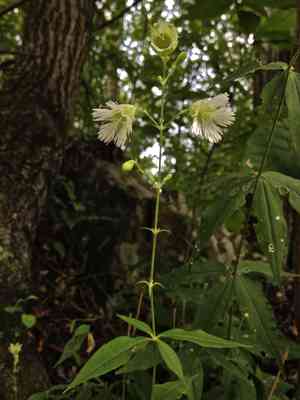
Widowsfrill (Silene stellata)
Also known as: Starry campion
Widowsfrill (Silene stellata), a native herbaceous perennial to the eastern U.S., thrives in dry, open woodlands and forest clearings. During summer, it showcases blooms that are mainly pollinated by moths, with occasional visits from bees.
In This Article
Attributes of Widowsfrill
Lifespan
Perennial
Plant Type
Herb
Plant Height
15 cm to 51 cm
Spread
45 cm to 60 cm
Leaf Color
Green Yellow Gray Gold Silver
Flower Size
2.5 cm
Flower Color
White
Images of Widowsfrill
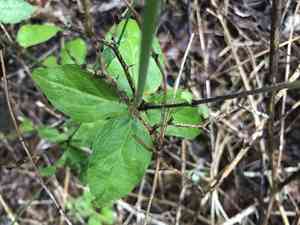
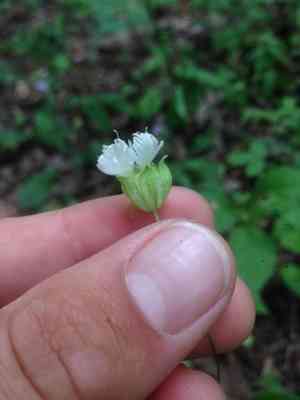
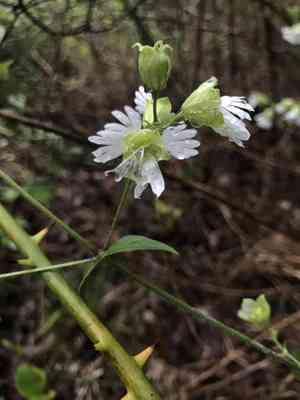
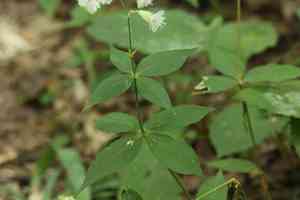
Quickly Identify Widowsfrill
1
Erect, sticky stems reaching 2-3 feet (60-90 cm) with a tendency to flop over.
2
Distinctive whorls of four leaves; lanceolate to elliptical with yellowish-green upper side.
3
Showy white flowers in terminal clusters with fringed petals and bell-shaped calyx.
4
Ovoid capsule fruit with purplish-brown kidney-shaped seeds.
5
Panicle measuring 8 inches (20 cm) long and 3-4 inches (7.5-10 cm) wide.
Scientific Classification of Widowsfrill
Phylum
Vascular plants
Class
Dicotyledons
Order
Caryophyllales
Family
Pink
Genus
Campions
Species
Widowsfrill
Planting and Growing of Widowsfrill
Care Difficulty
Easy
Watering Schedule
Every 3 days
Sunlight Requirements
Partial sun
Sunshine Duration
6-10 hours
Ideal Temperature
60-75℉
Soil Type
Potting Mix, Peat Mix
Soil pH
6.5-7.5
Fertilizer Type
Balanced
Pruning Season
Spring, Summer
Pruning Area
Branches, Leaves
Pruning Frequency
2 times a year
Repotting Season
Spring
Pot Type
Plastic, Ceramic
 How to Water Widowsfrill?
When watering Silene stellata, ensure the water reaches a depth of about 15 centimeters to adequately penetrate the root zone. This encourages deep root growth and better drought resistance. Allow the soil to dry nearly completely between waterings, indicating that the plant has used the moisture.
What are the symptoms of an underwatered Widowsfrill?
›
What should I do if my Widowsfrill is not getting enough water?
›
What are the symptoms of an overwatered Widowsfrill?
›
How to save an overwatered Widowsfrill?
›
 What Are the Sunlight Requirements for Widowsfrill?
Silene stellata benefits from partial to full shade. Ideal light conditions support healthy growth and vibrant flowering, making it a resilient and attractive addition to shaded gardens.
More About Sunlight Requirements Techniques→
How much light does Silene stellata require?
›
What is the best way to ensure optimal lighting for Silene stellata?
›
Why is adhering to ideal lighting conditions important for Silene stellata?
›
 What Is the Ideal Temperature Range for Widowsfrill?
The ideal temperature range for Silene stellata is between 60°F and 75°F. This range provides optimal conditions for growth and blooming. The plant thrives in moderate climates with conditions that mimic its native habitat, which ensures its natural growth cycle and supports its complex biological processes such as photosynthesis and respiration.
 What Soil is Best for Widowsfrill?
Silene stellata thrives best in well-drained soil that prevents any chances of waterlogging. This ensures that the roots have access to both oxygen and moisture, facilitating healthy growth. The plant prefers soil rich in organic matter, which supports robust development, enhances flowering, and improves overall plant health by supplying essential nutrients. It is essential that the soil retains moderate moisture levels. This supports metabolic activities during growth periods and ensures that the plant does not experience drought stress.
 How to Fertilize Widowsfrill?
For Silene stellata, utilize a moderate approach to fertilization, as it thrives best without excessive nutrients. Apply liquid fertilizer at a rate of half the recommended concentration to avoid nutrient toxicity, ensuring a balanced all-purpose fertilizer is used to promote healthy growth and blooming.
 How to Prune Widowsfrill?
Water the Silene stellata a day before you plan to prune. This ensures the plant is hydrated, reducing the stress it endures during the cutting process. A well-hydrated plant also snaps back more readily from cuts. Look at the natural shape of the Silene stellata, typically a dome-like growth pattern. Maintain this shape by trimming evenly around the plant, promoting balanced growth and ensuring it receives sunlight uniformly. To enhance bloom production, pinch off spent flowers regularly. Deadheading not only improves the plant's appearance but also diverts energy from seed production back into more blooms, thereby extending the flowering period.
More About Pruning Techniques→
 How to Propagate Widowsfrill plant?
1
Begin by filling your seed trays with a suitable seed-starting mix. Sow the Silene stellata seeds evenly over the surface and cover them with a thin layer of soil. Gently water the seeds to keep the soil moist but not soggy.
2
For division, carefully uproot a mature Silene stellata plant during early spring. Clean the roots gently to remove excess soil so you can see the natural divisions within the root ball. Make sure your tool is clean and sharp to avoid introducing pathogens.
3
Replant the divided sections into prepared soil, ensuring that the roots are well covered and the new plants are securely anchored. Water them thoroughly to help establish good root-to-soil contact and reduce transplant shock.
 How to Repot Widowsfrill plant?
1
Repot Silene stellata when you notice it outgrowing its current container, which typically happens every 2-3 years. Other signs it needs repotting include reduced growth and roots growing through drainage holes. Spring and early summer are ideal, as the plant is entering its active growing phase.
2
Select a pot that's one size larger than the current one, ensuring it has adequate drainage holes. Using a slightly larger pot allows the roots to expand without overwhelming the plant with too much new space, preventing waterlogging and promoting healthy growth.
3
Opt for a well-draining soil mix enriched with organic material, such as perlite combined with peat moss. This mixture retains necessary moisture while allowing excess water to drain away, preventing root rot and creating an ideal environment for new root development.
Learn More About Widowsfrill Diseases
Anthracnose
Bacterial Leaf Spot
Bacterial Soft Rot
Bacterial Wilt
Chemical Injury
Crown Gall
Cyst Nematode
Damping-off
Downy Mildew
Drought Stress
Fusarium Wilt
Gray Mold
Leaf Spot
Mosaic
Nutrient Deficiency
Nutrient Toxicity
Powdery Mildew
Root Rot
Root-knot Nematode
Rusts
Sooty Mold
Spider Mites
Temperature Stress
Thrips Damage
White Mold



