The Widowsfrill Plant Advantage: Maximizing Home and Office Appeal and Wellness
1
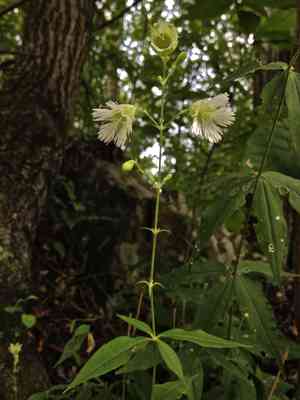
Widowsfrill is an easy-care plant that enhances the beauty of any outdoor space.
2
It draws in helpful pollinators such as bees and butterflies.
3
Widowsfrill flowers for an extended duration, offering visual charm for many months.
What are the Aesthetic Benefits of Widowsfrill?
Adds Visual Appeal to Gardens
A primary reason gardeners select Widowsfrill is its striking visual appeal. With its graceful, star-shaped blossoms, Widowsfrill stands out in any garden setting, forming a captivating focal point. The plantâs delicate frills and intricate designs make it an attractive addition, whether placed in flower beds, borders, or containers.
Versatility in Garden Design
Widowsfrill is not only beautiful but also adaptable, integrating smoothly into various garden aesthetics. From classic cottage gardens to contemporary, minimalist landscapes, this plant complements diverse styles. Its capacity to blend harmoniously with other flora and its flexibility in different environments make it a favorite among landscape architects.
How Does Widowsfrill Benefit Local Ecosystems?
Supports Pollinator Populations
Widowsfrill plays a crucial role in sustaining local ecosystems by drawing in pollinators like bees and butterflies. These pollinators are vital for the health of many plants, including food crops. By cultivating Widowsfrill, gardeners can aid the survival of these important species, fostering biodiversity and ecological equilibrium.
Enhances Soil Health
Beyond attracting beneficial insects, Widowsfrill contributes to the well-being of the soil. Its root system helps prevent soil erosion and improves soil structure by facilitating the movement of water and nutrients. This can lead to healthier soil over time, benefiting other garden plants and supporting sustainable gardening practices.
Why is Widowsfrill a Low-Maintenance Choice?
Requires Minimal Watering
One of Widowsfrill's key attributes is its low upkeep demands. Unlike many other ornamental plants, Widowsfrill doesn't need extensive irrigation. Once rooted, it thrives on natural rainfall, making it an excellent option for gardeners aiming to reduce water consumption and maintenance efforts.
Resilient to Pests and Diseases
Widowsfrill is also recognized for its resistance to common garden pests and ailments. Its natural hardiness minimizes the need for chemical interventions, allowing gardeners to maintain a healthier, more eco-friendly garden. This resilience means less time spent on plant care and more time enjoying the garden's beauty.
How Can Widowsfrill Enhance Your Well-Being?
Promotes Relaxation and Stress Relief
Gardening and spending time in nature are well-known for their therapeutic advantages. The presence of Widowsfrill in your garden can elevate this experience by providing a calming and visually pleasing environment. Its delicate flowers and soothing hues create a peaceful atmosphere, fostering relaxation and alleviating stress.
Encourages Outdoor Activity
Planting and caring for Widowsfrill promotes outdoor activity, which offers numerous health benefits. Whether you're planting, watering, or simply admiring your garden, spending time outside can improve physical health, boost mood, and enhance overall well-being. Widowsfrill provides a great reason to spend more time in nature, contributing to a healthier, more active lifestyle.
How to Care for Widowsfrill in Your Garden?
Optimal Planting Conditions
Widowsfrill flourishes best in well-drained soil and can tolerate various soil types, from sandy to loamy. Ensure the planting area receives partial to full sunlight, as adequate light is crucial for the plantâs growth and blooming. Planting in early spring or fall offers the best conditions for Widowsfrill to establish itself successfully.
Minimal Maintenance Tips
Once established, Widowsfrill requires little upkeep. Regular watering during the initial growth phase helps the plant develop deep roots. Afterward, watering needs significantly decrease. Pruning spent flowers encourages extended blooming and maintains a neat appearance. Adding a layer of mulch can help retain soil moisture and suppress weeds, further reducing maintenance efforts.



