How to Prune Hooker's silene?
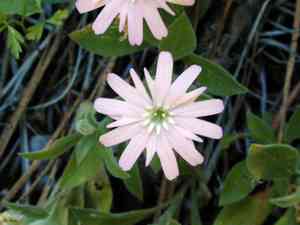
Distinguished by its impressive blossoms and compact stature, hooker's silene flourishes most effectively with regular trimming to stimulate robust development and flowering. The ideal periods for pruning are in late spring and across the summer, directly following bloom cycles to foster fresh buds. Gentle shaping assists in preserving its inherent structure, improving both garden appearance and plant well-being. Consistent elimination of faded flowers and deceased leaves not only neatens the plant but also deters illness.
What Are the Benefits of Pruning Hooker's Silene?
What Are the Benefits of Pruning Hooker's Silene?
Trimming hooker's silene promotes robust development and helps maintain its desired form. This practice is crucial for eliminating dead or weak growth, thereby fostering a healthier and more attractive specimen.
What Is the Best Time for Pruning Hooker's Silene?
What Is the Best Time for Pruning Hooker's Silene?
Pruning hooker's silene during Spring and Summer is beneficial as these periods coincide with the plant's active growth phase. In spring, pruning stimulates new growth and boosts the plant's vigor, allowing for quick recovery and flourishing. During summer, light trimming can help manage hooker's silene's shape and remove spent flowers or damaged foliage, thus preserving the plant's aesthetic appeal and health. These seasons ensure cuts heal faster and reduce stress on hooker's silene, promoting abundant blooms in subsequent seasons.
What Tools Do I Need to Prune Hooker's Silene?
Bypass Pruners
Perfect for making clean, precise cuts on hooker's silene without crushing delicate stems. Ideal for thinning dense areas to improve air circulation and light penetration.
Floral Snips
Excellent for deadheading spent blooms and trimming small, delicate stems of hooker's silene, allowing for more accurate, less invasive cuts that help maintain the plant's appearance.
Garden Shears
Useful for shaping and controlling the overall growth of hooker's silene, especially during the active growing season, to keep its silhouette neat and compact.
How to Prune Hooker's Silene
Sanitize tools
Before beginning the pruning process, disinfect your pruning tools using either a bleach and water solution or isopropyl alcohol. Ensure tools are clean to prevent disease spread to hooker's silene.
Remove diseased parts
Carefully inspect hooker's silene for any diseased leaves and stems. Use your sanitized pruning shears to cut away these sections. Make clean cuts on the stem just above a healthy leaf node or set of leaves, ensuring no stubs remain.
Trim withered leaves
Identify and remove any withered or dead leaves on hooker's silene to enhance overall health and appearance. This helps direct the plant's energy to healthier, more vital growth. Trim these leaves at their base, close to the main stem.
Clean up
After pruning, clear all removed leaves and stems from the ground around hooker's silene to deter pests or diseases from infecting the plant.
Monitor
Regularly observe hooker's silene after pruning to ensure its health. Look for new growth, which indicates successful pruning and good plant recovery.
Common Pruning Mistakes with Hooker's Silene
Overpruning
Removing too much foliage from hooker's silene can stress the plant, leading to fewer flowers and weakened overall health. This species benefits from a lighter touch to maintain its natural shape and vigor.
Wrong technique
Using dull or dirty pruning tools can harm hooker's silene's tender stems, potentially introducing disease. Clean, sharp shears are essential for making clean cuts that heal quickly.
Pruning into old wood
Hooker's silene does not respond well to severe pruning into old wood. Such cuts can impede or completely prevent new growth, as this species typically blooms on newer growth.
Common Pruning Tips for Hooker's Silene
Seasonal timing
Although you've been instructed not to consider the season for pruning, it is implicit that timing affects hooker's silene's health. Pruning just after the bloom cycle can encourage future blooms and allows the gardener to shape the plant while it's actively growing.
Selective cutting
Focus on removing only dead or damaged stems, and thin out only a few of the oldest stems to encourage new growth. This keeps hooker's silene looking tidy without compromising its natural form.
Clean tools
Always use well-maintained, clean pruning shears. This prevents infections and ensures smooth cuts that heal quickly, keeping hooker's silene healthy.



