How to Propagate Hooker's silene?
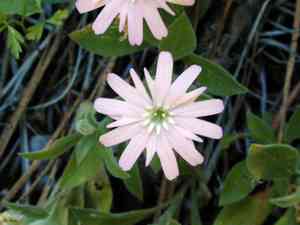
Silene hookeri flourishes when reproduced via cuttings, a method adept at preserving the plant's genetic characteristics. Initiate the process by choosing robust, non-blooming stems during their vigorous growth phases. Sever a 4-6 inch segment, strip off the bottom leaves, and immerse the severed tip in rooting compound to stimulate fresh development. Place the cutting into a substrate that drains effectively, ensuring a moist atmosphere by either enclosing it in a plastic covering or frequently misting. Root systems generally form within several weeks, subsequent to which the specimens can be progressively accustomed to less sheltered surroundings prior to relocation.
What Is the Best Time To Propagate Hooker's Silene?
Propagation Type
Cutting
Propagation Season
Spring,Summer
What Tools Are Used in Hooker's Silene Propagation?
Sharp Pruning Shears
These are vital for obtaining clean, precise cuttings from hooker's silene. Keen blades ensure smooth cuts, preventing tissue damage, which is key for proper callusing and rooting. Correct cutting technique minimizes infection risk and boosts rooting success.
Rooting Hormone
This encourages root growth in hooker's silene cuttings. Dipping the cut end into rooting hormone significantly raises the chance of successful root formation. This is particularly helpful for hooker's silene, improving its rooting efficiency and speed, which can sometimes be challenging.
Sterile Potting Mix
A clean, well-draining potting mix guarantees that new hooker's silene cuttings are placed in a pathogen-free environment, which could otherwise harm vulnerable cuttings. The mix should be light and airy to support oxygenation and moisture retention, vital for root development.
Propagation Trays
These trays are used to organize and manage multiple hooker's silene cuttings efficiently in a confined space. They should offer good drainage and securely hold the potting mix. They also simplify humidity and temperature control, key factors in the rooting process.
How to Propagate Hooker's Silene?
Propagation Type
Easy
How to Care for Your Newly Propagated Hooker's Silene?
How to Care for Your Newly Propagated Hooker's Silene?
After propagation, hooker's silene needs ample sunlight but protection from intense midday rays. Consistent watering is crucial, but ensure proper soil drainage to prevent root rot. During its growth period, a balanced, diluted fertilizer every 4-6 weeks will support healthy development. Monitor for pests and diseases, treating as needed to maintain plant health.
Common Mistakes to Avoid When Propagating Hooker's Silene
Overwatering
Excessive moisture can cause root rot in hooker's silene, impeding successful root establishment during propagation. This condition reduces oxygen availability to the roots, leading to decay and propagation failure.
Deep planting
Inserting cuttings or seedlings too deeply into the soil can lead to stem rot in hooker's silene. This error may hinder new root formation or even kill young plants due to insufficient air exposure and excessive moisture around delicate stem tissue.
Using unsterilized tools
Propagating with contaminated tools can introduce pathogens to hooker's silene, causing infections that severely impact plant health and reduce propagation success. These infections might destroy new cuttings or seedlings before they can establish.
Tips For Propagating Hooker's Silene
Use well-draining soil
Employing a well-draining growing medium ensures that excess water drains quickly, preventing moisture-related issues like root rot, which is vital for the healthy propagation of hooker's silene.
Maintain humidity
Keeping high humidity around hooker's silene during initial propagation stages helps prevent cuttings or seedlings from drying out. A humidity dome or frequent misting can effectively maintain the necessary moisture levels.
Sterilize propagation tools
Ensuring all tools are sterilized before use helps prevent disease introduction to hooker's silene, thereby increasing propagation success. This can be achieved using a bleach solution or rubbing alcohol.



