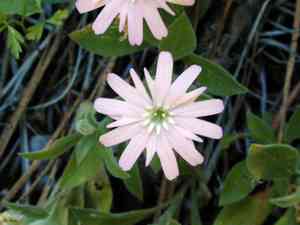
Hooker's silene (Silene hookeri)
Also known as: Stringflower
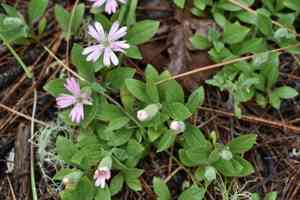
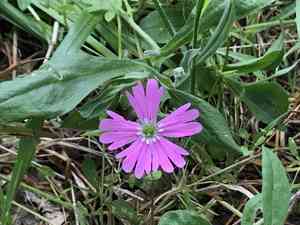
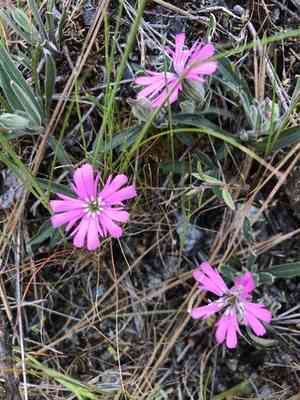
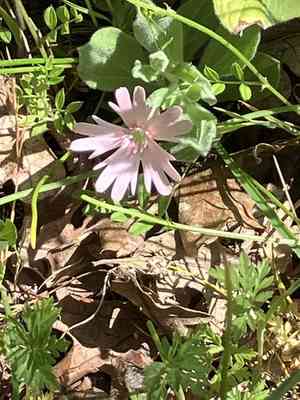
Silene hookeri is a low-growing perennial herb with stems that can be either decumbent or erect, reaching up to 20 centimeters in length and emerging from a woody, branched base. The stems are covered in soft, curly, or crinkly gray hairs. The leaves at the base are lance-shaped and can grow up to 9 centimeters long, while those higher up the stem are smaller and narrower.
In This Article
Attributes of Hooker's silene
Lifespan
Perennial
Plant Type
Herb
Plant Height
5 cm to 20 cm
Spread
15 cm
Leaf Color
Green Gray Silver
Flower Size
2-3 cm
Flower Color
White Pink
Images of Hooker's silene
Quickly Identify Hooker's silene
1
This plant is identifiable by its hairy stems and leaves, and its sticky calyx which often traps small insects. Its flowers have a distinctive five-petaled structure with deeply notched petals.
Scientific Classification of Hooker's silene
Phylum
Vascular plants
Class
Dicotyledons
Order
Caryophyllales
Family
Pink
Genus
Campions
Species
Hooker's silene
Planting and Growing of Hooker's silene
Care Difficulty
Easy
Watering Schedule
Every 3 days
Sunlight Requirements
Full sun
Sunshine Duration
4-8 hours
Ideal Temperature
55-75℉
Soil Type
Potting Mix, Peat Mix
Soil pH
6.5-7.5
Fertilizer Type
Balanced
Pruning Season
Spring, Summer
Pruning Area
Branches, Leaves
Pruning Frequency
2 times a year
Repotting Season
Spring
Pot Type
Plastic, Ceramic
 How to Water Hooker's silene?
When watering Silene hookeri, aim to provide approximately 250 milliliters per session, ensuring that the soil is thoroughly moist but not waterlogged. This plant dislikes soggy roots, so make sure there's good drainage. The watering amount should balance keeping the soil consistently moist, especially during its active growing seasons.
What are the symptoms of an underwatered Hooker's silene?
›
What should I do if my Hooker's silene is not getting enough water?
›
What are the symptoms of an overwatered Hooker's silene?
›
How to save an overwatered Hooker's silene?
›
 What Are the Sunlight Requirements for Hooker's silene?
Silene hookeri thrives best in full sun to partial sun conditions. Ample sunlight ensures optimal growth, robust foliage, and prolific flowering, enhancing its ornamental value and health.
Ideal Sun Exposure
›
Shading Solutions
›
Boosting Plant Health
›
 What Is the Ideal Temperature Range for Hooker's silene?
The ideal temperature range for cultivating Silene hookeri is between 55°F and 75°F. This range promotes healthy growth and maximum blooming potential. Maintaining temperatures within this range allows the plant processes, including photosynthesis and nutrient uptake, to operate efficiently. Adequate warmth ensures vigorous growth without risking heat stress.
 What Soil is Best for Hooker's silene?
Silene hookeri thrives in well-drained sandy loam, which facilitates effective drainage and prevents root rot. This characteristic is crucial for avoiding waterlogging, as it allows the roots to breathe and grow healthily, thus enhancing the overall plant vitality. A loamy soil rich in organic matter provides essential nutrients for Silene hookeri. This nutrient density supports robust growth and vibrant flowering by enhancing soil fertility, enabling the plant to establish a strong root system and foliage. Silene hookeri prefers soil with a pH ranging from 6.5 to 7.5, which ensures the availability of essential nutrients. This pH balance supports optimal plant metabolism and mitigates nutrient uptake issues, promoting healthy growth and resilience against diseases.
 How to Fertilize Hooker's silene?
For Silene hookeri, it's advisable to apply fertilizer at a rate which ensures the soil remains nutrient-rich without overwhelming the roots. Use a balanced measurement—about one teaspoon per gallon for liquid fertilizers, and adhere to package instructions for granules.
 How to Prune Hooker's silene?
Start by removing any dead or diseased stems using sterilized pruning shears. Focus on cutting just above a set of healthy leaves or buds. Trim back unwanted growth to shape the plant and encourage a fuller appearance. Be careful not to remove more than a third of the plant at any time. To maximize blooming, deadhead spent flowers promptly. This directs the plant's energy towards producing more flowers instead of seeds. Cut back the entire flowering stem to the nearest set of leaves for a more compact shape and continuous blooming.
More About Pruning Techniques→
 How to Propagate Hooker's silene plant?
1
Collect seeds from Silene hookeri once the seed pods have dried. Ensure they are fully matured by checking the pod's coloration. Saving seeds in a cool, dry place before planting will preserve their viability.
2
Select healthy, non-flowering stems for cuttings. Using sterilized pruning shears, cut below a leaf node with a sharp, clean cut. Remove the lower leaves to ensure only stem is inserted into the planting medium, reducing risk of rot.
3
Divide Silene hookeri by carefully digging up the plant, ensuring minimal root disturbance. Split the root ball into smaller sections, each with shoots and roots, and replant promptly in prepared soil.
 How to Repot Hooker's silene plant?
1
Silene hookeri shows the need for repotting when you notice roots protruding from the drainage holes or when the plant's growth has slowed despite regular care. It typically requires repotting every two years, preferably during spring or summer when the plant is actively growing.
2
Select a pot that is slightly larger than the current one, with excellent drainage to prevent waterlogging. A pot made from breathable material like terracotta is ideal, as it helps to maintain appropriate moisture levels and provides stable support for the plant.
3
Use a well-draining sandy mix to mimic Silene hookeri's natural habitat. This type of soil prevents root rot by allowing excess water to escape efficiently, while also providing sufficient aeration for healthy root growth.
Learn More About Hooker's silene Diseases
Anthracnose
Bacterial Leaf Spot
Bacterial Soft Rot
Bacterial Wilt
Black Spot
Chemical Injury
Crown Gall
Cyst Nematode
Damping-off
Downy Mildew
Drought Stress
Fusarium Wilt
Gray Mold
Leaf Curl
Leaf Spot
Mosaic
Nutrient Deficiency
Nutrient Toxicity
Powdery Mildew
Root Rot
Root-knot Nematode
Rusts
Sooty Mold
Spider Mites
Temperature Stress
Thrips Damage
White Mold



