How to Prune Creeping sibbaldia?
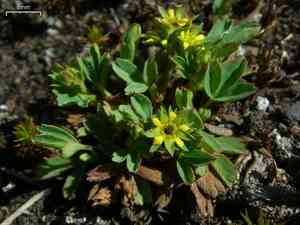
Creeping sibbaldia, a compact, ground-hugging alpine perennial, flourishes with infrequent trimming to eliminate withered or compromised leaves. The most suitable period for this task is in late spring or early summer, following its blooming phase, which fosters more robust development and preserves its appealing look. Gently snip the plant's periphery to uphold its dense form. Consistent trimming enhances air movement, lowers the chance of illness, and rejuvenates creeping sibbaldia, guaranteeing its lively presence as a ground cover in your landscape.
What Are the Benefits of Pruning Creeping Sibbaldia?
What Are the Benefits of Pruning Creeping Sibbaldia?
Trimming creeping sibbaldia promotes vigorous development and maintains its compact shape. Regular cutting eliminates dead or overgrown branches, enhancing air circulation and light penetration, which are vital for creeping sibbaldia's vitality and visual appeal.
What Is the Best Time for Pruning Creeping Sibbaldia?
What Is the Best Time for Pruning Creeping Sibbaldia?
Pruning creeping sibbaldia from late spring to early summer coincides with the end of its dormant phase and just before active growth begins. This timing ensures that pruning does not hinder creeping sibbaldia's development of new leaves and flowers. Additionally, trimming creeping sibbaldia during this period allows for the removal of any winter damage, shaping the plant for the growing season, and fostering healthier, denser growth that can better resist pests and diseases.
What Tools Do I Need to Prune Creeping Sibbaldia?
Bypass Pruners
Perfect for making precise cuts without harming the small, delicate stems of creeping sibbaldia.
Garden Scissors
Useful for shaping, thinning, or trimming the foliage of creeping sibbaldia due to their accurate cutting capability.
Hand Shears
Suitable for clipping back larger areas of overgrowth with minimal effort, while preserving the plant's low growth habit.
How to Prune Creeping Sibbaldia
Disinfect tools
Before beginning the pruning process, ensure all pruning tools are properly sanitized to prevent the spread of disease to creeping sibbaldia. Use a solution of 1 part bleach to 9 parts water or rubbing alcohol to clean the blades.
Remove diseased leaves
Carefully inspect creeping sibbaldia for any signs of diseased leaves. Using your disinfected pruning shears, snip off these leaves at the base of their stems to encourage healthy growth and prevent the spread of infections.
Trim withered leaves
Identify and remove any withered or dead leaves from creeping sibbaldia to maintain its aesthetic appeal and to encourage the growth of new foliage. Trim these leaves close to the stem, being careful not to harm new buds or growth.
Prune diseased stems
Inspect creeping sibbaldia for any stems that show signs of disease. Make precise cuts to remove the entire diseased portion. If the entire stem is affected, cut it back to the base or to the point of healthy tissue.
Cleanup
After pruning, carefully clean up and dispose of all removed plant material from around creeping sibbaldia to prevent potential fungal or disease issues. This will also keep the planting area neat and tidy.
Common Pruning Mistakes with Creeping Sibbaldia
Overpruning
One of the most frequent errors is removing too much foliage from creeping sibbaldia, which can stress the plant and reduce its vitality.
Blunt tools
Using dull or unclean pruning tools can cause jagged cuts, leaving creeping sibbaldia susceptible to disease and pests.
Random cuts
Performing indiscriminate cuts without understanding the growth patterns of creeping sibbaldia can lead to uneven growth and reduced flowering.
Neglecting health check
Failing to inspect for signs of disease or pests before pruning means missing the chance to address these issues early in creeping sibbaldia.
Ignoring plant form
Not considering the natural shape of creeping sibbaldia while pruning can result in a loss of its aesthetic appeal.
Common Pruning Tips for Creeping Sibbaldia
Hygienic tools
Always use sharp and sterilized pruning tools to make clean cuts and prevent the spread of diseases in creeping sibbaldia.
Prune selectively
Carefully select which stems or leaves to prune by identifying dead or overgrown areas to maintain the health of creeping sibbaldia.
Maintain shape
Follow the natural growth form of creeping sibbaldia when pruning to encourage a balanced and attractive shape.
Encourage rejuvenation
Prune older foliage to stimulate new growth and increase the vigor of creeping sibbaldia.
Support flowering
Prune creeping sibbaldia just after flowering to avoid cutting off buds, ensuring the promotion of blooms in the following season.



