The Creeping sibbaldia Plant Advantage: Maximizing Home and Office Appeal and Wellness
1
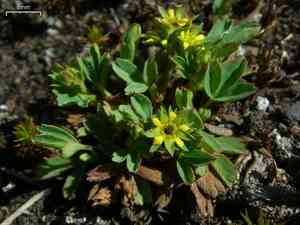
Creeping sibbaldia excels at securing soil and preventing erosion.
2
Creeping sibbaldia needs little upkeep, making it ideal for gardens requiring minimal effort.
3
This plant flourishes in barren, stony ground where other flora might fail.
Why Consider Cultivating Creeping Sibbaldia?
Ecological Advantages
Creeping sibbaldia is recognized for its function in stabilizing soil, making it a valuable plant for preventing erosion. Its robust root system aids in binding the soil, lessening the risk of landslides in sloped or coastal regions. Furthermore, its capacity to flourish in poor soil conditions makes it an excellent option for areas prone to soil degradation.
Minimal Upkeep
A prominent characteristic of Creeping sibbaldia is its low maintenance requirements. This plant can thrive in diverse conditions with little to no extra care. Once established, it needs infrequent watering and resists many pests and diseases. This makes it an ideal choice for gardeners desiring a low-effort yet attractive landscape.
How Does Creeping Sibbaldia Contribute to a Diverse Garden Ecosystem?
Attracting Pollinators
Creeping sibbaldia produces small, appealing blossoms that can draw the attention of pollinators like bees and butterflies. This not only enhances your garden's beauty but also contributes to the ecosystem's overall health by promoting pollination.
Supporting Wildlife
Beyond attracting pollinators, Creeping sibbaldia can also serve as a habitat for small wildlife. Its dense ground cover offers shelter and sustenance for various insects and other small creatures. This helps foster a balanced and flourishing garden ecosystem.
What Are the Optimal Growing Conditions for Creeping Sibbaldia?
Soil Preferences
Creeping sibbaldia is highly adaptable and can grow in various soil types, including poor, rocky soils where other plants might struggle. It prefers well-drained soil but can tolerate occasional moisture. Its ability to grow in less-than-ideal soil conditions makes it a versatile plant for a range of garden settings.
Sunlight and Irrigation
Creeping sibbaldia thrives in full sun to partial shade. While it is drought-tolerant once established, providing moderate watering can help the plant develop a strong root system. However, excessive watering should be avoided as it can lead to root rot.
How Can You Enhance Your Garden's Aesthetics with Creeping Sibbaldia?
Ground Cover
Creeping sibbaldia is an excellent ground cover choice for filling in bare areas in your garden. Its low-growing, spreading habit creates a lush, green carpet that helps suppress weed growth and reduce soil erosion.
Rock Gardens and Edges
Creeping sibbaldia is particularly well-suited for rock gardens and borders due to its ability to thrive in rocky soil. It can be planted between stones or along garden edges, adding texture and visual interest to your landscape design.



