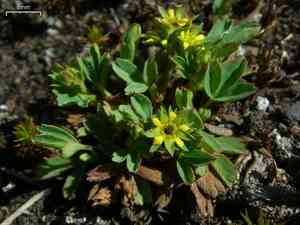
Creeping sibbaldia (Sibbaldia procumbens)
Also known as: Creeping sibbaldia
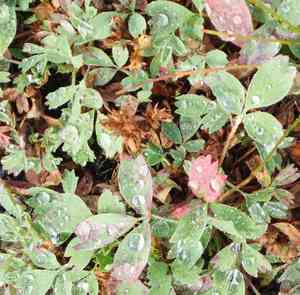
Creeping sibbaldia (Sibbaldia procumbens) is a small, ground-hugging plant known for its distinctive star-shaped green and yellow flowers, which thrive in alpine tundra environments. The plant is named in honor of Sir Robert Sibbald, a notable professor of medicine from Edinburgh, Scotland. In New Hampshire, this unique species is classified as endangered.
In This Article
Attributes of Creeping sibbaldia
Lifespan
Perennial
Plant Type
Herb, Shrub
Plant Height
3 cm to 10 cm
Spread
10-30 cm
Leaf Color
Green
Flower Size
4 mm to 6 mm
Flower Color
Yellow Green
Images of Creeping sibbaldia
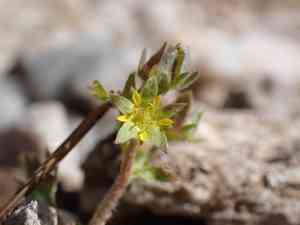
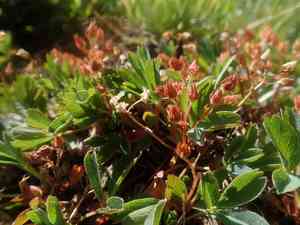
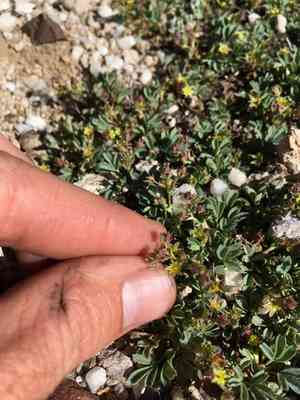
Quickly Identify Creeping sibbaldia
1
Identification can be done by noting its low, mat-forming growth habit, trifoliate leaves, and small, five-petaled yellow flowers which appear in late spring to summer.
Scientific Classification of Creeping sibbaldia
Phylum
Vascular plants
Class
Dicotyledons
Order
Rosales
Family
Rose
Genus
Sibbaldia
Species
Creeping sibbaldia
Planting and Growing of Creeping sibbaldia
Care Difficulty
Easy
Watering Schedule
Every 3 days
Sunlight Requirements
Partial sun
Sunshine Duration
6-10 hours
Ideal Temperature
50-70℉
Soil Type
Potting Mix, Peat Mix
Soil pH
5.5-7.5
Fertilizer Type
Balanced
Pruning Season
Spring, Summer
Pruning Area
Branches, Leaves
Pruning Frequency
2 times a year
Repotting Season
Spring
Pot Type
Plastic, Ceramic
 How to Water Creeping sibbaldia?
For Sibbaldia procumbens, ensure that each watering session soaks the soil thoroughly but avoid any pooling of water. This amounts to roughly 150 ml per plant, ensuring moisture reaches the root zone.
What are the symptoms of an underwatered Creeping sibbaldia?
›
What should I do if my Creeping sibbaldia is not getting enough water?
›
What are the symptoms of an overwatered Creeping sibbaldia?
›
How to save an overwatered Creeping sibbaldia?
›
 What Are the Sunlight Requirements for Creeping sibbaldia?
Sibbaldia procumbens prefers partial sun, benefiting from 4 to 6 hours of sunlight, ideally in the morning. This exposure type supports optimal growth and flowering while safeguarding against leaf burn.
What is the best light condition for Sibbaldia procumbens?
›
How can partial sun exposure be achieved?
›
What are the benefits of ideal light exposure?
›
 What Is the Ideal Temperature Range for Creeping sibbaldia?
Sibbaldia procumbens thrives best in cooler environments, typically between 50 to 70 °F. This temperature range simulates its native alpine and subalpine habitats, promoting optimal growth conditions for this hardy plant.
 What Soil is Best for Creeping sibbaldia?
Sibbaldia procumbens thrives in well-drained soil that prevents water from pooling around the roots. This is crucial as it mimics the plant's natural alpine environment and prevents root rot, ensuring healthy growth and lush foliage. This species benefits from soil rich in organic matter, which provides essential nutrients for robust growth. Enriching the soil with compost or well-rotted manure can markedly improve health and flowering. Balancing moisture is key; soil should retain enough water to maintain hydration but also support evaporation to prevent excessive dampness. Peat soil's moisture-holding capacity helps maintain this balance, protecting the plant from drought stress.
 How to Fertilize Creeping sibbaldia?
For Sibbaldia procumbens, it's important to use a balanced fertilizer focusing on essential nutrients. Generally, apply liquid fertilizer at half the recommended dose for houseplants, which is about 1/4 teaspoon per gallon of water, ensuring its suitability for the plant's delicate needs.
 How to Prune Creeping sibbaldia?
After the flowering season, cut back the stems of Sibbaldia procumbens that held blooms. This encourages the plant to focus energy on producing new growth rather than seed production, maintaining vitality. Shape the plant by trimming back any wayward or unruly stems throughout the growing seasons. This keeps the plant neat and promotes a visually pleasing, tufted appearance ideal for rock gardens. Inspect regularly for any dead or damaged stems, especially after extreme weather events. Removing these can prevent the spread of disease and encourage new growth.
More About Pruning Techniques→
 How to Propagate Creeping sibbaldia plant?
1
Soak the seeds in water for 24 hours to improve germination rates. This step helps soften the seed coat and enables moisture to penetrate more easily.
2
Select healthy, non-flowering stems and cut a 5-10 cm section. Remove lower leaves to expose nodes, which are crucial for root development.
3
Dig up mature plants carefully and separate the roots into smaller clumps. Each division should have several leaves and a good root system for successful establishment.
 How to Repot Creeping sibbaldia plant?
1
Sibbaldia procumbens shows signs of needing repotting when you notice roots circling the base of the pot or emerging from drainage holes. Another indicator is a significant slowdown in growth despite adequate care. Choosing the right moment, often early in the growing season, gives the plant enough time to adjust to its new environment.
2
When selecting a pot for Sibbaldia procumbens, opt for a slightly larger pot not more than 2 inches wider than the existing one. Ensure that it has sufficient drainage holes. A right-sized pot not only supports growth by giving roots ample space but also prevents waterlogging, reducing root rot risks.
3
Opt for well-draining, loamy soil to ensure sufficient aeration around the roots of Sibbaldia procumbens. The benefit of this soil mix lies in its ability to retain some moisture while efficiently draining excess water, which is crucial for preventing root diseases and promoting healthy growth.



