How to Prune Spikemoss?
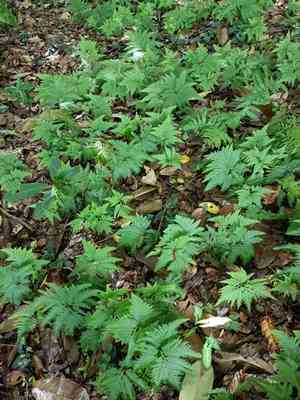
A unique, delicate, and ground-hugging specimen, spikemoss greatly benefits from deliberate trimming. Essential methods involve cutting back elongated or sparse stems to foster more abundant, compact leaves. The ideal periods for pruning are the beginning of spring and the end of winter, coinciding with its inactive phase to lessen strain. Consistent trimming improves air movement and lowers the chance of illness, simultaneously stimulating energetic new development. These periods guarantee the plant's preparedness for strong growth cycles in the future.
Advantages of Trimming Spikemoss
Advantages of Trimming Spikemoss
Spikemoss thrives with trimming, promoting vigorous growth and shape retention. It encourages robust development, improves light penetration, manages size, enhances appearance, and aids in disease and pest resistance. Regular trimming ensures a strong, attractive plant.
Optimal Time for Trimming Spikemoss
Optimal Time for Trimming Spikemoss
Early spring and late winter are ideal for spikemoss trimming, aligning with its growth cycle. Pruning during dormancy allows quicker healing and prepares it for strong new growth. Trimming in these seasons avoids disrupting flowering or spore production, keeping the plant healthy and appealing.
Necessary Tools for Trimming Spikemoss
Bypass Pruners
Crucial for precise cuts on delicate stems due to their clean-cutting capability.
Small Shears
Perfect for trimming finer foliage and maintaining a compact form.
Sharp Scissors
Useful for detailed shaping and gently removing dead or damaged sections.
Disinfectant Wipes
Essential for sanitizing tools before and after use to prevent disease transmission.
Steps to Trim Spikemoss
Assessment
Start by carefully inspecting spikemoss for any areas requiring trimming. Specifically look for diseased and withered leaves.
Sterilization
Sanitize your pruning shears with rubbing alcohol or a bleach solution to prevent disease spread.
Removal of Diseased Leaves
Identify and remove any diseased leaves by cutting them at their base where they connect to the stem. Make clean cuts to avoid further harm.
Removal of Withered Leaves
Cut off any withered leaves using the sterilized shears. Trim these back to a point just above a healthy leaf node where new growth can emerge.
Disposal
Properly discard all trimmed parts in the trash, not compost, to prevent disease spread.
Common Trimming Errors with Spikemoss
Excessive Trimming
Over-pruning can weaken spikemoss and make it susceptible to diseases. It's important to trim sparingly to avoid removing too much foliage at once.
Incorrect Tools
Using dull or dirty tools can harm spikemoss's stems and leaves, potentially leading to infections. Clean, sharp tools are vital for making precise cuts.
Cutting Too Close to the Base
Trimming too close to the base of spikemoss can damage its growth nodes, impeding future growth and recovery.
Trimming at the Wrong Time of Day
Pruning during the hottest parts of the day can stress the plant. It's better to trim in the early morning or late afternoon when temperatures are cooler.
General Trimming Advice for Spikemoss
Utilize sharp, clean tools
Ensure your pruning shears or scissors are sharp and sterilized to make clean cuts and prevent disease transmission.
Focus on dead or damaged sections
First, remove any dead, diseased, or damaged parts of spikemoss. This helps improve air circulation and reduces disease risk.
Trim lightly
Prune lightly to maintain spikemoss's shape and stimulate new growth. Avoid extensive pruning, which can stress the plant.
Observe the plant's growth pattern
Trim in a manner that follows spikemoss's natural growth pattern to maintain its attractive form and ensure healthy development.
Clean up after trimming
Collect and dispose of pruned material properly to maintain a tidy growing area and reduce the likelihood of pests and diseases.



