How to Propagate Spikemoss?
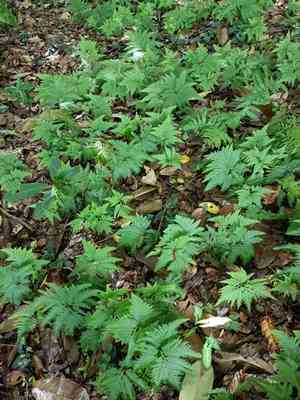
Spikemoss, a distinctive member of the Selaginellaceae family, is recognized for its hardiness and elaborate leaves. For propagation, the division technique proves exceptionally efficient. Gently detach portions of the plant, making certain that each separated piece possesses sufficient roots. This ensures a vigorous beginning when transplanted. Place the divisions into a growing medium that drains effectively, and sustain a moderate level of dampness to encourage fresh development. Consistent spraying can boost atmospheric moisture and assist in its settling.
What Is the Best Time To Propagate Spikemoss?
Propagation Type
Division
Propagation Season
Spring,Autumn
What Tools Are Used in Spikemoss Propagation?
Sharp Garden Knife
An incisive garden blade is crucial for separating spikemoss. It enables precise cuts through the plant's root system and stems, minimizing harm and lowering infection risk. Its accuracy ensures each segment has sufficient roots and stems to flourish upon replanting.
Hand Trowel
A small hand shovel is utilized to carefully excavate around spikemoss, exposing its root structure without causing damage. It's also useful for preparing new planting spots by loosening the earth and creating appropriately sized holes for the divisions.
Clean Pruners
Sterile pruning shears are essential for trimming any damaged roots or stems prior to replanting. Ensuring the pruners are disinfected helps prevent the introduction of pathogens that could compromise spikemoss's health.
Rooting Hormone Powder
A rooting hormone compound can be applied to the cut portions of spikemoss to stimulate root development. This is particularly advantageous for ensuring the successful establishment of new plants.
Potting Mix
A premium quality potting substrate is necessary for replanting the divisions. The mixture should drain well yet retain some moisture, as spikemoss prefers consistently damp but not saturated conditions.
Misting Bottle
A spray bottle is beneficial for maintaining the moisture levels around the newly divided plants. This is important for spikemoss, which thrives in a humid environment and may require additional moisture to successfully establish roots.
Shading Cloth
A shade cloth helps shield the freshly divided plants from direct sunlight. Spikemoss prefers low to medium light, so providing filtered illumination will reduce stress and aid in recovery and growth.
How to Propagate Spikemoss?
Propagation Type
Easy
How to Care for Your Newly Propagated Spikemoss?
How to Care for Your Newly Propagated Spikemoss?
Following division and potting, keep the soil consistently damp and maintain high humidity around spikemoss. Ensure it receives indirect sunlight and avoid harsh, direct light. Regularly mist the plant to sustain humidity, especially during drier periods. Monitor for pests and diseases, and consider using a diluted balanced fertilizer every few weeks to encourage growth.
Common Mistakes to Avoid When Propagating Spikemoss
Overwatering
Excessive watering can lead to root decay, making it difficult for spikemoss to absorb nutrients and potentially causing its demise.
Inadequate Light
Providing too much direct sun or insufficient indirect light can stress spikemoss, hindering its growth and successful propagation.
Incorrect Soil
Using a soil that is too dense or lacks proper drainage can hold excessive moisture, which may result in root diseases.
Neglecting Humidity
Spikemoss flourishes in high humidity environments; low humidity levels can cause the plant to dry out and impede root development.
Improper Cutting Technique
Taking cuttings that are too short or not from healthy sections of the plant can significantly reduce the chances of successful rooting.
Tips For Propagating Spikemoss
Soil Selection
Utilize a well-draining, light potting mix formulated for ferns or a blend of peat and perlite to prevent root rot.
Maintain Humidity
Ensure high humidity by placing the cuttings in a miniature greenhouse or covering them with a plastic bag to retain moisture.
Proper Light
Position spikemoss in bright, indirect light to encourage robust growth and prevent scorching or etiolation.
Watering
Water sparingly but regularly, keeping the soil consistently moist but not waterlogged.
Healthy Cuttings
Use sharp, clean scissors to take cuttings from healthy, mature parts of spikemoss, ideally sections that include a few leaves and nodes.



