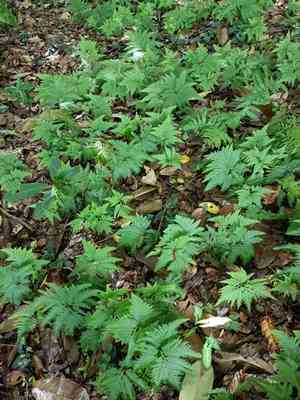
Spikemoss (Selaginella umbrosa)
Also known as: Shade Spikemoss, Umbrella Spikemoss
The plant you're referring to is likely the Maidenhair Fern (Adiantum spp.). It flourishes in shaded, moist conditions and is characterized by its finely textured, delicate green leaves. Arranged along slender, black stems, these leaves create an elegant, airy appearance. This structure helps the Maidenhair Fern efficiently capture moisture and nutrients in its natural forest habitat.
In This Article
Attributes of Spikemoss
Lifespan
Perennial
Plant Type
Fern
Plant Height
5-25 cm
Spread
Spreading, can cover large areas if conditions are suitable
Leaf Color
Green to dark green
Flower Size
N/A
Flower Color
N/A
Images of Spikemoss
Quickly Identify Spikemoss
1
Look for a low-growing ground cover with delicately branched stems and small, scale-like leaves. It often forms dense mats and has a lush, green appearance.
Scientific Classification of Spikemoss
Phylum
Vascular plants
Class
Club mosses
Order
Selaginellales
Family
Spike-moss
Genus
Spikemosses
Species
Spikemoss
Planting and Growing of Spikemoss
Care Difficulty
Easy
Watering Schedule
Every 2 days
Sunlight Requirements
Partial sun
Sunshine Duration
4-8 hours
Ideal Temperature
60-75℉
Soil Type
Potting Mix, Peat Mix
Soil pH
6-7.5
Fertilizer Type
Balanced
Pruning Season
Spring, Summer
Pruning Area
Branches, Leaves
Pruning Frequency
2 times a year
Repotting Season
Spring
Pot Type
Plastic, Ceramic
 How to Water Spikemoss?
Selaginella umbrosa requires a moderate amount of water, about 250 milliliters per session. The watering should be thorough but not excessive, ensuring the soil is moist but not waterlogged. It's crucial to let the top inch of the soil dry out slightly before watering again, allowing the roots to breathe and preventing root rot.
What are the symptoms of an underwatered Spikemoss?
›
What should I do if my Spikemoss is not getting enough water?
›
What are the symptoms of an overwatered Spikemoss?
›
How to save an overwatered Spikemoss?
›
 What Are the Sunlight Requirements for Spikemoss?
Selaginella umbrosa thrives in partial sun and full shade. Providing diffused sunlight replicates its native habitat, promoting lush growth and healthier foliage.
What is the optimal lighting condition for Selaginella umbrosa?
›
How can I achieve optimal lighting conditions for Selaginella umbrosa?
›
What are the benefits of providing Selaginella umbrosa with ideal lighting?
›
 What Is the Ideal Temperature Range for Spikemoss?
The ideal temperature range for Selaginella umbrosa cultivation is between 60°F and 75°F. This range provides the optimal environment for growth, ensuring effective photosynthesis and nutrient absorption. It is important for maintaining plant metabolism and preventing stress-induced conditions.
 What Soil is Best for Spikemoss?
Selaginella umbrosa thrives in soil that retains moisture without becoming waterlogged. This balance helps the plant access essential nutrients while preventing root rot, supporting vigorous growth and lush foliage. Rich, loamy soil provides a plethora of nutrients necessary for the optimal growth of Selaginella umbrosa. The abundance of organic matter enhances the soil structure and nutrient availability, fostering robust plant health and growth. Well-drained soil is crucial for Selaginella umbrosa. Good aeration prevents waterlogging and suffocation of roots, while maintaining sufficient moisture levels ensures a healthy root system, promoting overall plant vitality.
 How to Fertilize Spikemoss?
For Selaginella umbrosa, applying a diluted liquid fertilizer of about half the recommended strength is optimal. This ensures that the plant gets enough nutrients without the risk of burning its roots. Since it's a small plant with delicate roots, use approximately 1/4 teaspoon of balanced liquid fertilizer per gallon of water.
 How to Prune Spikemoss?
Begin by inspecting the plant for any brown, withered, or damaged fronds. These should be your primary targets for pruning. Gently trace each frond back to the main stem and make your cut just above where the frond meets the healthy growth. To maintain the plant's desired shape, trim back any fronds that may be growing too long or straying from the plant's overall form. Make cuts just above a node or where new growth is visible, which encourages a more compact and bushy appearance. Properly dispose of removed fronds to prevent any potential disease from spreading back to the plant. Compost them if they are disease-free, or discard them if you suspect any infections. This practice helps keep both Selaginella umbrosa and your garden healthy.
More About Pruning Techniques→
 How to Propagate Spikemoss plant?
1
Choose healthy, disease-free stems from the Selaginella umbrosa, and cut them to a length of about 4-6 inches. Remove leaves from the lower part of the stem to prevent decay when planting.
2
Dip the cut end of each cutting into a rooting hormone powder. This step is not obligatory but highly recommended as it improves rooting efficiency.
3
Insert the cuttings into a well-draining potting mix, ensuring they are upright and stable. Water them lightly and maintain a high humidity environment to facilitate rooting.
 How to Repot Spikemoss plant?
1
Knowing the right time to repot Selaginella umbrosa involves observing signs of stress. If the plant is root-bound, with roots emerging from drainage holes, it's time to repot. Additionally, if you notice slowed growth or wilting despite adequate watering, this could indicate the need for a larger pot and fresh soil.
2
Select a pot that is 1-2 inches larger in diameter than the current one. Ensure it has sufficient drainage holes to prevent waterlogging, which could harm the plant's roots. The increased size allows the plant ample room for root expansion and improves overall health.
3
Opt for a soil that retains moisture but drains well, such as a mix designed for ferns or houseplants. This type of soil helps maintain the high humidity Selaginella umbrosa prefers while preventing root rot due to excessive moisture.



