How to Prune Annual stonecrop?
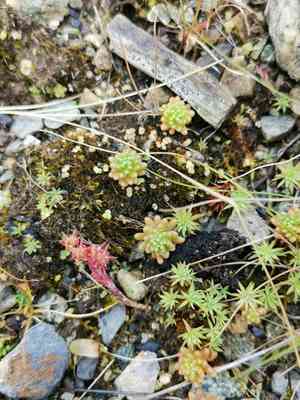
This remarkable succulent, annual stonecrop, flourishes in stony ground, showcasing star-like yellow blossoms. The best periods for trimming are from spring to autumn, after flowering, to preserve its form and stimulate fresh development. Snip off spent blooms and manage excessive spread, making sure to cut above leaf nodes for the best regrowth. Consistent trimming benefits annual stonecrop by stopping it from becoming too large and encouraging more abundant blooms. Cultivators ought to employ sharp, sanitized clippers for accurate cuts, improving the plant's vitality and visual appeal.
What Are the Benefits of Pruning Annual Stonecrop?
What Are the Benefits of Pruning Annual Stonecrop?
Trimming annual stonecrop promotes robust development and maintains its compact form. Consistent cutting prevents excessive growth, ensuring the plant stays attractive and healthy, boosting its decorative value in gardens.
What Is the Best Time for Pruning Annual Stonecrop?
What Is the Best Time for Pruning Annual Stonecrop?
For annual stonecrop, pruning in Spring is optimal as it prepares the plant for vigorous growth in the coming season by removing any dead or weak stems, thus encouraging healthier, stronger development. Summer pruning, especially early to mid-summer, can be beneficial for shaping the plant and managing its spread, which is crucial since annual stonecrop can expand extensively if left uncontrolled. This timing also helps prevent seeding, which can lead to excessive self-sowing. Fall pruning should be minimal, primarily focused on removing dead or damaged parts after the growing season. This helps maintain the plant's structure and health while preparing it for dormancy. Pruning in Winter is not recommended as it can expose the plant to frost damage.
What Tools Do I Need to Prune Annual Stonecrop?
Bypass Pruners
These are perfect for making clean and precise cuts on annual stonecrop, which helps prevent damage to the delicate stems.
Gardening Scissors
Especially useful for thinner or softer stems of annual stonecrop, these scissors allow for detailed shaping and control over the pruning process.
Hand Gloves
Wearing gloves is essential while pruning annual stonecrop to protect hands from any potential sap irritation or minor prickles.
How to Prune Annual Stonecrop
Identify
Examine annual stonecrop for withered, yellow, or brown leaves. These are typically the leaves that have completed their lifecycle.
Sanitize
Clean and disinfect your pruning tools to prevent the spread of disease. Use a solution of one part bleach to nine parts water.
Prune
Carefully remove the withered leaves by snipping them at the base, close to the main stem of annual stonecrop. Ensure you do not harm the healthy parts.
Dispose
Collect all the removed leaves and dispose of them in a compost bin if they show no signs of disease. This helps in maintaining a tidy garden and reduces the risk of pests.
Inspect
After pruning, inspect annual stonecrop for any signs of pests or diseases. Early detection can prevent major problems later on.
Common Pruning Mistakes with Annual Stonecrop
Over-pruning
Removing too much foliage from annual stonecrop can weaken the plant, reducing its ability to thrive and flower. It's important to prune conservatively, as drastic cutting back can lead to poor plant health and less vigorous growth.
Improper cutting technique
Using dull or dirty tools can create jagged or torn cuts, leading to potential infection sites. Clean, sharp pruning shears are essential to make clean cuts that heal quickly, minimizing stress and damage to annual stonecrop.
Neglecting dead or damaged stems
Failing to remove dead or damaged stems can hinder annual stonecrop's overall health and aesthetic appeal. Such neglect can enable disease to spread and detract from the plant's natural beauty.
Pruning at random
Randomly cutting stems without understanding the plant's growth pattern can result in a less desirable shape and may impact flowering. It's crucial to understand how annual stonecrop grows to maintain its form and enhance its flowering potential.
Common Pruning Tips for Annual Stonecrop
Selective pruning
Focus on thinning out only the overcrowded or weak stems to allow light and air to reach the inner parts of annual stonecrop, promoting healthy growth and reducing the risk of disease.
Timing of cuts
Make cuts at a 45-degree angle just above a leaf node or bud to encourage annual stonecrop to branch out. This technique also helps prevent water from accumulating on the cut surface, reducing the risk of rot.
Regular maintenance
Regularly inspect annual stonecrop for dead or damaged stems and prune them promptly. This not only keeps the plant looking its best but also encourages healthier, more robust growth.
Cleanliness
Always use sterilized pruning tools before and after handling annual stonecrop to prevent the spread of disease. Regular cleaning and maintenance of tools ensure precise cuts and healthier plants.



