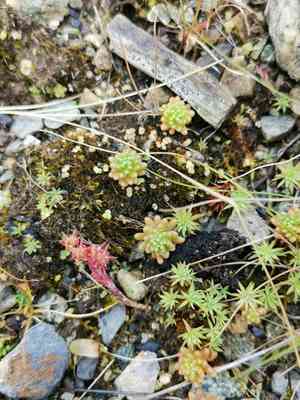
Annual stonecrop (Sedum annuum)
Also known as: Annual Stonecrop
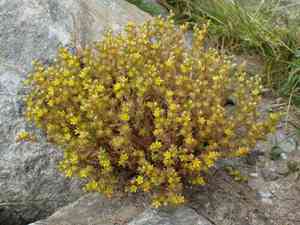
Annual stonecrop is a petite, herbaceous plant featuring fleshy stems and leaves, adorned with striking star-shaped yellow flowers. Originating from certain European regions, this plant thrives in full sun to partial shade and is particularly attractive to bees.
In This Article
Attributes of Annual stonecrop
Lifespan
Annual, Biennial
Plant Type
Herb
Plant Height
5 cm to 10 cm
Spread
10-20 cm
Leaf Color
Green to greenish-yellow
Flower Size
1-2 cm
Flower Color
Yellow
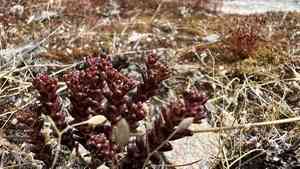
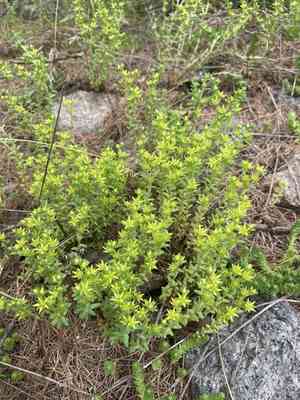
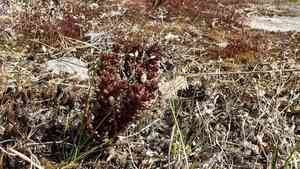
Images of Annual stonecrop
Quickly Identify Annual stonecrop
1
Sedum annuum can be identified by its small, thick, fleshy leaves which are typically arranged in rosulate clusters. The plant produces yellow star-shaped flowers and has a sprawling growth habit.
Scientific Classification of Annual stonecrop
Phylum
Vascular plants
Class
Dicotyledons
Order
Saxifragales
Family
Stonecrop
Genus
Stonecrops
Species
Annual stonecrop
Planting and Growing of Annual stonecrop
Care Difficulty
Easy
Watering Schedule
Every 4 days
Sunlight Requirements
Full sun
Sunshine Duration
4-6 hours
Ideal Temperature
60-80℉
Soil Type
Potting Mix, Peat Mix
Soil pH
6.5-7.5
Fertilizer Type
Balanced
Pruning Season
Spring, Summer
Pruning Area
Branches, Leaves
Pruning Frequency
2 times a year
Repotting Season
Spring
Pot Type
Plastic, Ceramic
 How to Water Annual stonecrop?
Sedum annuum requires a moderate amount of water. It's crucial to ensure that the soil is well-drained but retain enough moisture for the plant's needs. Water it until the topsoil feels moist, but avoid waterlogging, as it can be detrimental.
What are the symptoms of an underwatered Annual stonecrop?
›
What should I do if my Annual stonecrop is not getting enough water?
›
What are the symptoms of an overwatered Annual stonecrop?
›
How to save an overwatered Annual stonecrop?
›
 What Are the Sunlight Requirements for Annual stonecrop?
Sedum annuum prospers in full sun to partial sun environments, where it benefits from robust photosynthesis and vibrant growth, enhancing its structural and visual vitality.
Ideal lighting inquiry
›
Solution for ideal lighting
›
Benefits of ideal light
›
 What Is the Ideal Temperature Range for Annual stonecrop?
For optimal growth, Sedum annuum thrives in a temperature range between 60-80°F. This range provides the right balance for photosynthesis and metabolic activities, ensuring robust and healthy plant development. Maintaining this temperature promotes lush foliage and vibrant blooms.
 What Soil is Best for Annual stonecrop?
Sedum annuum thrives in well-drained soils where water does not stagnate. This prevents root rot and ensures the plant receives adequate oxygen at the root level, promoting healthier growth. This plant prefers soils with low to medium nutrient content. High fertility isn't necessary, allowing Sedum annuum to grow well in conditions unsuitable for more demanding plants. Sedum annuum can handle moderate dryness, reducing the watering frequency needed. This drought tolerance means it can be ideal for xeriscaping or dry garden conditions.
 How to Fertilize Annual stonecrop?
Sedum annuum has modest fertilization needs; using a diluted general-purpose liquid fertilizer at half strength is sufficient for initial application. Aim to avoid over-fertilizing, as this can adversely affect the plant. Each small dose should nourish without overwhelming the plant's root system.
 How to Prune Annual stonecrop?
To prune Sedum annuum, use sharp, sterilized pruning shears to trim back any leggy, dying, or damaged stems. Focus on removing the oldest or most sprawling growth to maintain a tidy appearance. This encourages the plant to produce new, healthier shoots. After the flowering period, you can deadhead Sedum annuum by removing spent blossoms. This simple act not only tidies up the plant's appearance but also redirects the plant’s energy from seed production to developing robust foliage and root systems.
More About Pruning Techniques→
 How to Propagate Annual stonecrop plant?
1
Collect seeds from mature Sedum annuum plants in late summer when the seed heads are dry. Gently separate the seeds from the seed heads and clean them by removing any debris or non-seed materials.
2
Choose healthy stems from the parent plant and cut sections around 10 cm in length with at least one set of leaves. Remove the lower leaves to prevent rot when planted.
3
Dig up the parent plant and gently separate sections of the root system, ensuring each division has roots and shoots. Replant these divisions in a well-draining mix, and water sparingly.
 How to Repot Annual stonecrop plant?
1
Signs that Sedum annuum needs repotting include roots growing through drainage holes or becoming root-bound, and soil that dries out too quickly. Ideally, repot when the plant shows vigorous growth in spring or summer.
2
Select a pot slightly larger than the current one, with good drainage holes. A proper pot size avoids waterlogging and offers better space for root growth, ensuring the plant remains healthy and robust.
3
Use a well-draining sandy mix for repotting to prevent water accumulation around the roots. This type of soil minimizes the risk of root rot while providing the necessary nutrients for Sedum annuum to thrive.



