The Annual stonecrop Plant Advantage: Maximizing Home and Office Appeal and Wellness
1
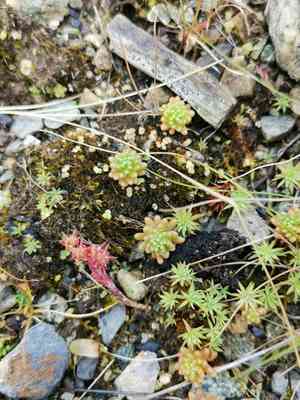
Yearly stonecrop is a hardy plant that flourishes in subpar soil environments.
2
It draws in helpful pollinators like bees and butterflies.
3
Yearly stonecrop is highly resistant to dry spells, making it ideal for water-wise landscaping.
Why Should You Consider Incorporating Annual Stonecrop into Your Garden?
Boosts Soil Quality
Annual stonecrop is recognized for its capacity to improve soil health. Its root system helps stabilize the earth, reducing erosion and preserving soil structure. Furthermore, as Annual stonecrop develops, it returns organic matter to the soil, enriching it and improving its ability to hold water and nutrients. This is especially advantageous in poor and sandy soils, where other plants might struggle to flourish.
Effortless Plant Care
If you're seeking a plant that requires minimal upkeep, Annual stonecrop is perfect. It demands little attention, thriving with limited water and in subpar soil conditions. Unlike many garden plants, it's not susceptible to pests and diseases, meaning you can spend less time concerned about its well-being and more time enjoying your garden. Its resilient nature makes it ideal for gardeners of all skill levels.
Attracts Beneficial Pollinators
Annual stonecrop acts as a magnet for bees, butterflies, and other helpful pollinators. These insects are vital for the pollination of numerous plants, including fruits and vegetables. By cultivating Annual stonecrop in your garden, you not only support the local ecosystem but also ensure other plants receive the necessary pollination to produce fruit. This can significantly enhance your garden's biodiversity and productivity.
Excellent for Water-Wise Landscaping
Xeriscaping, or landscape design aimed at reducing irrigation needs, greatly benefits from including Annual stonecrop. Its drought-resistant characteristic means it requires minimal watering, making it an outstanding choice for areas prone to dry spells. Incorporating Annual stonecrop into your xeriscape can help you create a beautiful yet water-efficient garden, lowering your water consumption and promoting environmental sustainability.
How Does Annual Stonecrop Benefit the Wider Ecosystem?
Promotes Biological Diversity
Annual stonecrop plays a vital role in fostering biodiversity. By offering a habitat and food source for various insects, it establishes a more balanced and healthy ecosystem. This can lead to increased resistance against pests and diseases, as a diverse ecosystem is less likely to suffer from outbreaks that can devastate single-crop plantings.
Natural Pest Management
One of the less-known advantages of Annual stonecrop is its contribution to natural pest control. Many insects drawn to Annual stonecrop are natural predators of common garden pests. For instance, ladybugs and lacewings, both attracted to Annual stonecrop, feed on aphids, mites, and other harmful insects. This reduces the need for chemical pesticides, encouraging safer and more organic gardening practices.
Supports Climate Adaptability
With evolving climate conditions, adaptable plants like Annual stonecrop are more crucial than ever. Its capacity to thrive in a range of harsh environments makes it a valuable addition to any garden. By integrating Annual stonecrop into your planting strategy, you can help your garden remain vibrant and productive even in the face of unpredictable weather patterns.
Enhances Visual Appeal
Beyond its ecological advantages, Annual stonecrop also boosts your garden's aesthetic charm. Its small, star-shaped blossoms come in various hues, including yellow and white, which can add a burst of color to rock gardens, borders, and arid zones. Its mat-forming growth habit provides excellent ground cover, making it a versatile option for filling empty spaces and creating a unified garden design.
What Are the Optimal Methods for Cultivating Annual Stonecrop?
Selecting the Ideal Spot
To maximize Annual stonecrop's potential, it's crucial to choose the right location. It flourishes in full sun to partial shade and prefers well-drained soil. While it can endure poor soil conditions, ensuring proper drainage will help the plant grow more vigorously. Whether you're planting it in a garden bed, a rock garden, or a container, confirm the location meets these requirements.
Planting and Maintenance Advice
Annual stonecrop can be propagated from seeds or cuttings. Seeds should be sown in early spring, while cuttings can be taken during the growing season. Space the plants at least 6 inches apart to accommodate their spreading growth. Water the plants sparingly, as excessively wet conditions can lead to root rot. Removing spent flowers can encourage further blooming and maintain the plant's appearance.
Companion Planting Strategies
Consider companion planting with Annual stonecrop for additional benefits. Due to its low-growing nature, it pairs well with taller plants that can offer it partial shade. It also works effectively alongside other drought-tolerant species, creating a harmonious xeriscape. Companion planting can further enhance biodiversity and establish a more dynamic and resilient garden ecosystem.



