How to Prune Dwarf skullcap?
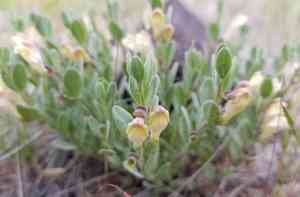
Miniature skullcap, recognized by its compact stature and characteristic purple-blue blossoms, necessitates infrequent but impactful trimming. The ideal period for reducing dwarf skullcap is from late winter through early spring, coinciding with its inactive phase. Concentrate on eliminating lifeless or compromised stalks to foster robust development and deter ailments. Trimming aids in preserving a dense form and stimulates a more abundant flowering. Employ sanitized, keen implements to avert plant trauma and guarantee a precise incision.
Advantages of Trimming Dwarf Skullcap
Advantages of Trimming Dwarf Skullcap
Trimming dwarf skullcap promotes robust development, maintains its compact form, and prevents excessive elongation. This practice improves air circulation, lowers the risk of pests and illnesses, and boosts flowering, thereby enhancing the plant's overall vitality and visual appeal.
Optimal Time for Trimming Dwarf Skullcap
Optimal Time for Trimming Dwarf Skullcap
Trimming dwarf skullcap during late winter to early spring leverages the plant's dormant phase. During dormancy, pruning minimizes stress on dwarf skullcap and helps it direct energy into new growth once the active season begins. Furthermore, pruning before new growth emerges ensures that blooming and fruiting are not negatively affected, thus preserving the overall health and vigor of dwarf skullcap. These periods offer the best conditions for shaping and fostering a strong growth cycle for dwarf skullcap.
Necessary Tools for Trimming Dwarf Skullcap
Hand Pruners
Hand pruners are crucial for dwarf skullcap as they allow for precise cuts needed to remove dead or damaged stems without harming the plant's overall structure.
Bypass Pruners
Bypass pruners are excellent for dwarf skullcap because they create clean cuts that encourage rapid healing and reduce disease risk; perfect for the plant's delicate stems.
Sharp Scissors
Sharp scissors can be utilized for detailed work with dwarf skullcap, especially when dealing with smaller or fragile parts of the plant.
Pruning Shears
Pruning shears are useful for managing larger growths and ensuring that dwarf skullcap retains its desired shape without causing undue stress to the plant.
How to Trim Dwarf Skullcap
Examine
Thoroughly check dwarf skullcap to identify any diseased or withered leaves, paying close attention to the plant's general health.
Sterilize
Clean your pruning tools with rubbing alcohol or a bleach solution to prevent the spread of pathogens.
Remove diseased
Cut off diseased leaves at the stem's base, ensuring all affected parts are removed to stop the infection from spreading.
Remove withered
Eliminate withered leaves by cutting them back to a healthy stem section or completely detaching them if the entire leaf is impacted.
Discard
Properly dispose of all pruned material in a manner that prevents potential disease exposure to other plants, such as sealing them in a bag and removing them from the garden.
Common Trimming Errors with Dwarf Skullcap
Excessive pruning
Removing too much foliage at once can stress dwarf skullcap and hinder its development. It's vital to prune sparingly to avoid weakening the plant.
Incorrect method
Using dull or dirty tools can harm stems and introduce diseases. Ensuring tools are sharp and sanitized before pruning helps maintain plant health.
Improper Trimming Spot
Cutting too far from or too close to a node can impede proper regrowth. It's essential to make clean cuts just above a node or leaf joint.
Timing Error
Pruning at the wrong time can cause potential harm, as it might interfere with dwarf skullcap's natural growth cycle. Understanding these cycles is crucial for effective pruning.
General Trimming Advice for Dwarf Skullcap
Sanitize Tools
Always clean pruning tools before use to prevent disease transmission. A solution of one part bleach to nine parts water works effectively.
Make Clean Cuts
Use sharp pruning shears to make clean cuts just above a node. This encourages the plant to heal quickly and promotes healthy new growth.
Prune Conservatively
Begin by removing dead or damaged stems first. Then, lightly prune to shape and control the size, ensuring you don't remove more than one-third of the plant at a time.
Regular Maintenance
Regularly inspect dwarf skullcap for any dead or diseased parts and remove them promptly. This helps in maintaining overall plant health and reducing disease spread.



