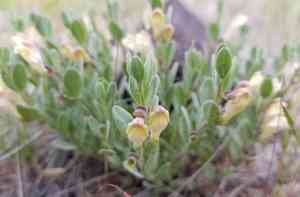
Dwarf skullcap (Scutellaria nana)
Also known as: Skullcap
Dwarf skullcap is a small, perennial herb well-suited to dry, rocky areas. Its tiny leaves often have scalloped edges, and it produces striking purple flowers with a unique hooded upper lip. This resilient plant is adapted to harsh, sun-drenched conditions, using its compact form to conserve water effectively.
In This Article
Attributes of Dwarf skullcap
Lifespan
Perennial
Plant Type
Herb
Plant Height
10-20 cm
Spread
N/A
Leaf Color
Green
Flower Size
1-2 cm
Flower Color
Blue, Purple
Images of Dwarf skullcap
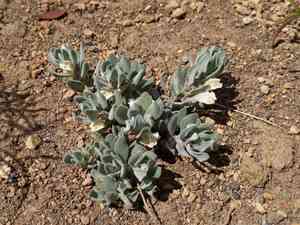
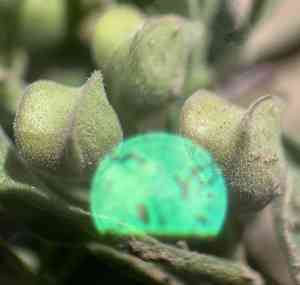
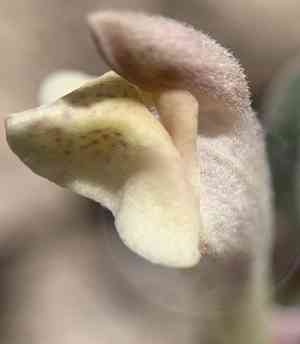
Quickly Identify Dwarf skullcap
1
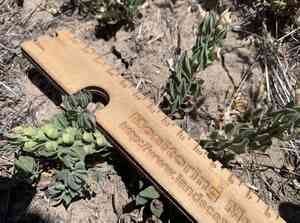
To identify Scutellaria nana, look for its small, tubular flowers that can range in color from blue to purple. The leaves are narrow and lance-shaped, and the plant typically grows less than 20 cm tall.
Scientific Classification of Dwarf skullcap
Phylum
Vascular plants
Class
Dicotyledons
Order
Lamiales
Family
Mint
Genus
Skullcap
Species
Dwarf skullcap
Planting and Growing of Dwarf skullcap
Care Difficulty
Moderate
Watering Schedule
Every 2 days
Sunlight Requirements
Partial sun
Sunshine Duration
6-10 hours
Ideal Temperature
65-75℉
Soil Type
Potting Mix, Peat Mix
Soil pH
6.5-7.5
Fertilizer Type
Balanced
Pruning Season
Spring, Summer
Pruning Area
Branches, Leaves
Pruning Frequency
2 times a year
Repotting Season
Spring
Pot Type
Plastic, Ceramic
 How to Water Dwarf skullcap?
Scutellaria nana requires careful watering to ensure thriving growth. It's crucial to water them deeply but infrequently, providing approximately 250 milliliters per session. The goal is to thoroughly moisten the soil without water standing on the surface. Always ensure the soil is evenly damp and allow it to dry out between waterings to mimic their natural habitat conditions.
What are the symptoms of an underwatered Dwarf skullcap?
›
What should I do if my Dwarf skullcap is not getting enough water?
›
What are the symptoms of an overwatered Dwarf skullcap?
›
How to save an overwatered Dwarf skullcap?
›
 What Are the Sunlight Requirements for Dwarf skullcap?
Ideal light conditions for Scutellaria nana include partial to full sun, receiving approximately 4 to 6 hours of daily sunshine. This light range encourages healthy growth, vibrant color, and optimal blooming.
What is the best light condition for Scutellaria nana?
›
How can I achieve ideal lighting for Scutellaria nana indoors?
›
What are the benefits of providing ideal lighting for Scutellaria nana?
›
 What Is the Ideal Temperature Range for Dwarf skullcap?
The ideal temperature range for growing Scutellaria nana is between 65°F and 75°F. This range provides the best conditions for photosynthesis and nutrient uptake, ensuring the plant's optimal growth and development.
 What Soil is Best for Dwarf skullcap?
Scutellaria nana thrives in well-drained soil environments. This condition prevents water from pooling around the roots, reducing the risk of root rot and encouraging healthy growth. While not overly demanding, Scutellaria nana benefits from soil that offers a moderate level of organic matter. This helps provide essential nutrients without over-fertilizing, thus maintaining balance for optimal growth. Good soil aeration is crucial for Scutellaria nana as it ensures sufficient oxygen reaches the roots. This condition supports vigorous root development and overall plant vitality.
 How to Fertilize Dwarf skullcap?
When it comes to fertilizing Scutellaria nana, be mindful not to overwhelm it. Generally, a balanced liquid fertilizer should be diluted to half strength, using about 1 tablespoon (15 ml) per gallon (3.8 liters) of water to ensure the plant gets just the right amount of nutrients to thrive.
 How to Prune Dwarf skullcap?
Begin by closely examining Scutellaria nana for any dead, damaged, or diseased branches. These should be your primary target for removal to improve plant health. Use a clean, sharp pair of pruning shears to make precise cuts. Aim to make your cuts just above a leaf node to encourage new growth in the desired direction. Focus on removing any twiggy growths along the sides of the plant to maintain its natural shape. This helps in opening up the plant structure, leading to better air flow and light penetration.
More About Pruning Techniques→
 How to Propagate Dwarf skullcap plant?
1
Before planting, Scutellaria nana seeds should be soaked in water overnight to encourage germination. This step softens the seed coat, making it easier for the seed to sprout.
2
Choose a healthy stem from the plant and make a clean cut using pruning shears. Ensure the cutting is about 4-6 inches long and remove the leaves from the bottom half to prevent rot.
3
For division propagation, carefully dig up the plant and split the root clump into smaller sections, ensuring each section has a good cluster of roots and a few stems.
 How to Repot Dwarf skullcap plant?
1
Scutellaria nana requires repotting when you observe roots growing out of the drainage holes or if the growth becomes stagnant despite proper care. These signs typically indicate that the plant has outgrown its current pot. It's best to undertake this process during its active growth phases in spring or summer to minimize stress and ensure faster recovery.
2
Select a pot that is 1-2 inches larger in diameter than the current one. Ensure it has adequate drainage holes to prevent root rot. A pot too large may retain excessive moisture, leading to root problems, while a slightly bigger pot allows healthy root expansion and prevents waterlogging.
3
Opt for a well-draining, sandy mix to replicate its natural habitat. Such a soil type prevents water stagnation, which could otherwise lead to root rot, ensuring the plant’s roots receive the necessary oxygen while retaining adequate moisture for growth.



