How to Prune Bog willow?
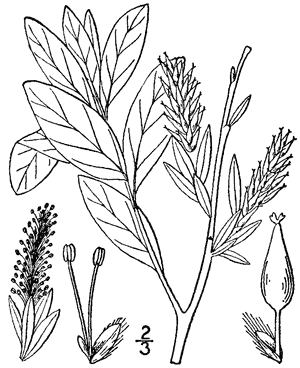
A leaf-shedding bush recognized for its resilience in moist environments, bog willow thrives with deliberate trimming to preserve its vitality and structure. Essential methods involve reducing older stalks and shortening excessively long branches to a robust bud, fostering fresh development. Trimming should take place in late winter or early spring prior to the appearance of new foliage. This schedule enables cultivators to readily discern which branches require removal and guarantees swift recovery. Trimming bog willow can additionally revitalize the specimen and elevate its ecological contribution.
What Are the Benefits of Pruning Bog Willow?
What Are the Benefits of Pruning Bog Willow?
Trimming bog willow promotes robust development by eliminating old or damaged limbs, fostering new, healthier growth. It also aids in preserving the desired form and size, enhancing bog willow's overall visual appeal.
What Is the Best Time for Pruning Bog Willow?
What Is the Best Time for Pruning Bog Willow?
Pruning bog willow in late winter or early spring is optimal, aligning with the period just before the start of the new growth cycle. Trimming in late winter allows for the removal of any compromised or ailing branches before the plant channels energy into fresh seasonal growth. It facilitates quick wound recovery and minimizes stress on bog willow. In early spring, the plant's structure is visible without foliage, simplifying shaping and encouraging vigorous new growth. Pruning outside this timeframe, particularly during active growth or after mid-summer, might remove buds set for the next season's blooms or fruit and can result in stress and diminished vitality in bog willow.
What Tools Do I Need to Prune Bog Willow?
Bypass Pruners
Perfect for making precise cuts on live wood and delicate snips, bypass pruners are suitable for bog willow's smaller branches and twigs.
Lopping Shears
Bog willow may possess thicker branches that demand greater leverage for cutting; lopping shears offer this advantage with their extended handles.
Pruning Saw
For branches too thick for lopping shears, a pruning saw ensures clean cuts without harming bog willow.
Hedge Shears
Bog willow's dense foliage can be shaped and maintained using hedge shears, which are designed for trimming leafy growth.
Pole Pruner
If bog willow is tall, a pole pruner can reach elevated branches without requiring a ladder, ensuring both safety and accuracy.
How to Prune Bog Willow
Clean Tools
Before beginning, cleanse and sanitize pruning implements to prevent the transmission of diseases to bog willow.
Inspect
Carefully examine bog willow for the presence of diseased leaves, withered foliage, dead branches, and ailing branches that require removal.
Cut Leaves
Utilize clean, sharp shears to carefully remove any diseased or withered leaves from bog willow, cutting at the base of the leaf stalk without harming healthy tissue.
Prune Branches
For dead or diseased branches on bog willow, make cuts at a 45-degree angle, approximately 1/4 inch above a healthy bud or branch junction, ensuring the remaining branch collar is left intact for proper healing.
Disinfect
After each cut, especially when removing diseased material, disinfect the pruning tools to prevent contamination of healthy parts of bog willow.
Common Pruning Mistakes with Bog Willow
Over-Pruning
Removing more than one-third of bog willow's foliage can stress the plant, potentially leading to reduced vigor and increased susceptibility to diseases and pests.
Improper Cut Placement
Cutting too close to the main stem or leaving large stubs can hinder bog willow's natural healing process and invite decay or infections.
Using Dull Tools
Employing dull pruning shears or saws can damage bog willow's branches, causing jagged cuts that heal poorly and are more prone to disease.
Neglecting Disease Prevention
Failing to sterilize tools between cuts, especially when working with diseased specimens, can spread pathogens throughout bog willow or to other plants.
Ignoring Branch Structure
Disregarding bog willow's natural branch structure during pruning might result in a weakened framework or unbalanced growth.
Common Pruning Tips for Bog Willow
Selective Pruning
Prioritize removing dead, diseased, or damaged wood first, followed by any crossing or rubbing branches to maintain bog willow's health and form.
Clean Cuts
Make clean, angled cuts just above a bud facing the outside of bog willow to promote outward growth and reduce water accumulation at the cut site, which can lead to rot.
Tool Maintenance
Always use sharp, clean pruning tools to achieve precise cuts that heal quickly, minimizing stress on bog willow and the risk of infection.
Prune For Airflow
Thin out dense areas to increase air circulation and sunlight penetration within bog willow's canopy, reducing the risk of fungal diseases and encouraging robust growth.
Height Control
If controlling the height is desired, pinch back the new growth at the tips of the branches by cutting just above the buds to encourage bog willow to become bushier.



