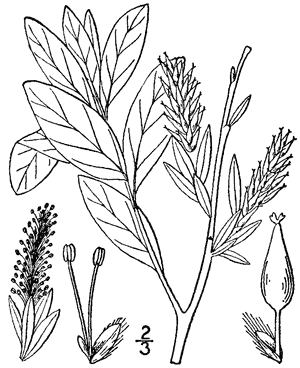
Bog willow (Salix pedicellaris)
Also known as: Bog Willow, Long-stalk Pussy Willow
*Salix pedicellaris*, commonly known as the bog willow, is a type of willow that grows in shrub form.
In This Article
Attributes of Bog willow
Lifespan
Perennial
Plant Type
Shrub
Plant Height
30 cm to 1.5 m
Spread
Varies, generally 30 to 60 cm
Leaf Color
Green
Flower Size
Small, less than 1 cm
Flower Color
Yellow Green Red Brown
Images of Bog willow
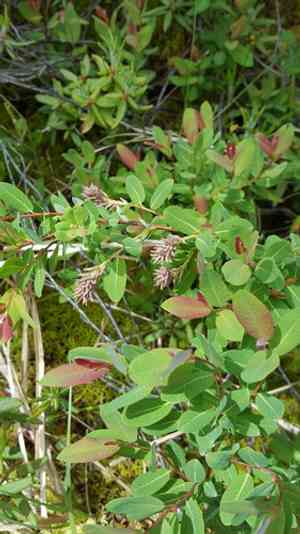
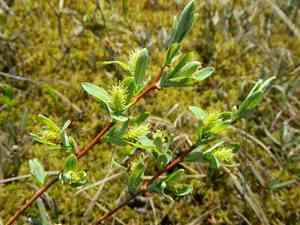
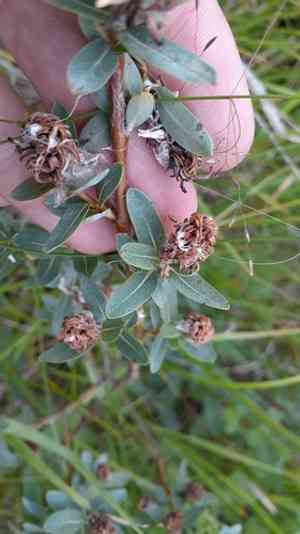
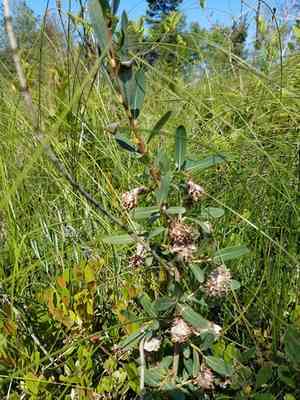
Quickly Identify Bog willow
1
This willow can be identified by its long pedicels (flower stalks), small leaves, and its preference for wet, boggy habitats. The leaves are narrow, finely serrated, and have a dull green color. Its catkins are also an identifying feature.
Scientific Classification of Bog willow
Phylum
Vascular plants
Class
Dicotyledons
Order
Malpighiales
Family
Willow
Genus
Willows
Species
Bog willow
Planting and Growing of Bog willow
Care Difficulty
Easy
Watering Schedule
Every 4 days
Sunlight Requirements
Partial sun
Sunshine Duration
4-8 hours
Ideal Temperature
60-75℉
Soil Type
Potting Mix, Peat Mix
Soil pH
5.5-7
Fertilizer Type
Balanced
Pruning Season
Spring, Summer
Pruning Area
Branches, Leaves
Pruning Frequency
2 times a year
Repotting Season
Spring
Pot Type
Plastic, Ceramic
 How to Water Bog willow?
For Salix pedicellaris, the ideal watering amount is about 500 ml each time. This amount ensures that the soil is thoroughly moistened without becoming waterlogged. The goal is to mimic the plant's natural habitat, where it typically receives frequent, moderate rainfall.
What are the symptoms of an underwatered Bog willow?
›
What should I do if my Bog willow is not getting enough water?
›
What are the symptoms of an overwatered Bog willow?
›
How to save an overwatered Bog willow?
›
 What Are the Sunlight Requirements for Bog willow?
Salix pedicellaris prefers partial to full sun, ideally with a daily light range of four to six hours. This range allows for strong growth and vigor due to sufficient photosynthesis and nutrient absorption.
More About Sunlight Requirements Techniques→
What is the preferred light for Salix pedicellaris?
›
How to achieve ideal lighting conditions for Salix pedicellaris?
›
What are the benefits of providing ideal lighting conditions for Salix pedicellaris?
›
 What Is the Ideal Temperature Range for Bog willow?
The ideal temperature range for Salix pedicellaris is between 60 and 75 °F. This range supports optimal growth by facilitating efficient photosynthesis and cellular respiration processes. Such temperatures are typically found within its native habitats, providing the energy required for growth without causing stress to the plant's physiological functions.
 What Soil is Best for Bog willow?
Salix pedicellaris thrives in soil that retains moisture well, a characteristic vital for its wetland habitat preference. This ensures the plant remains hydrated, particularly during dry periods, fostering robust growth and preventing stress. This species benefits from nutrient-rich soils, which support its growth and development. Loamy or peaty soils often have high organic matter content, providing essential nutrients that fuel the plant's growth cycle and improve ecosystem resilience. Proper aeration in the soil is important for Salix pedicellaris to support its extensive root system. Well-aerated soils help in the efficient uptake of water and nutrients, enabling the plant to establish quickly and maintain healthy growth.
 How to Fertilize Bog willow?
When it comes to fertilizing Salix pedicellaris, it's important to use a balanced and diluted fertilizer. For liquid fertilizers, mix a 10-10-10 NPK fertilizer at half the recommended strength and apply it monthly. For slow-release options, using about 2 tablespoons per square foot annually will suffice.
 How to Prune Bog willow?
Look for branches that are clearly dead or diseased. Dead branches typically have no leaves and may appear brittle. Cut these branches back to the nearest healthy intersection to promote new growth. Use pruning to improve the plant's shape, removing any branches that disrupt the natural outline of the willow. Avoid cutting too harshly and aim to maintain a graceful shape that will provide balance and symmetry. If your Salix pedicellaris is growing too large or spreading too far, selectively prune back long shoots to manage its size. This helps keep the plant fitting well within its intended space without taking over.
More About Pruning Techniques→
 How to Propagate Bog willow plant?
1
Choose healthy, disease-free branches of Salix pedicellaris for cuttings. Ideally, select new growth that is not too woody. Ensure the branch is around 6 to 8 inches in length for optimal results.
2
Remove any leaves from the lower half of the cutting and dip the cut end into a rooting hormone powder. This process encourages faster root growth and helps prevent decay at the base of the cutting.
3
Place the treated cutting into a pot filled with a well-draining growing medium, such as a mixture of perlite and peat. Make a hole in the medium before inserting the cutting to avoid wiping off the rooting hormone.
 How to Repot Bog willow plant?
1
Salix pedicellaris should be repotted when its growth becomes stagnant or the roots are visibly protruding from the drainage holes. These signs typically indicate that the plant has outgrown its current pot and needs more space to thrive. Ideally, repot at the start of growth in spring.
2
Select a pot that is slightly larger than the current one, ensuring it has adequate drainage holes. A pot that is too large can hold excessive moisture, leading to root rot. A good choice provides enough room for root expansion without overwhelming the plant.
3
Opt for a soil mix that retains moisture but offers good drainage. A loamy or sandy texture enriched with organic material will mimic the natural wetland habitat of Salix pedicellaris, ensuring optimal growth conditions and preventing waterlogging.



