How to Propagate Bog willow?
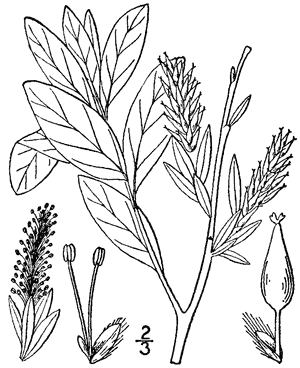
Bog willow flourishes when reproduced via cuttings. For successful establishment, select vigorous, sturdy branches and prepare cuttings possessing multiple nodes. These cuttings ought to be promptly situated in a damp growing medium that supports root formation. Enveloping the base in a moist material can accelerate the rooting process. Maintain a humid atmosphere and a stable temperature; this fosters rapid root development with reduced strain on the nascent plants. After rooting, bog willow can be relocated to a lasting site with suitable soil for ongoing development.
Optimal Time for Bog Willow Propagation
Propagation Method
Cutting
Propagation Period
Autumn,Winter
Tools for Bog Willow Propagation
Sharp Pruning Shears
These are vital for obtaining healthy, clean cuts from bog willow. Their precision and sharpness help prevent harm to the parent plant and ensure a clean cut for rooting. Damaged or crushed stem tissue can impede root development.
Rooting Hormone Powder or Gel
This encourages quicker and more dependable root development when applied to the base of bog willow cuttings. The hormone stimulates root growth, which is essential for the successful establishment of new plants.
Sterile Potting Mix
A light, well-draining, and sterile potting mix offers the perfect environment for bog willow cuttings to root. It lowers the risk of fungal or bacterial infections, which could jeopardize the delicate new roots.
Propagation Trays
These trays are ideal for organizing and managing multiple bog willow cuttings in a controlled setting. The trays should have sufficient drainage and potentially a humidity dome to maintain a high humidity environment, beneficial for root growth.
Heating Mat
Especially useful for bog willow cuttings, a heating mat keeps the soil at a consistent temperature, which can significantly boost rooting success rates. This is important as steady warmth is crucial to stimulate root growth in cuttings.
Misting Bottle
Used to gently water bog willow cuttings without disturbing the fragile new roots. Frequent misting helps maintain the necessary humidity around the cuttings, promoting the root formation process.
Propagating Bog Willow: A Guide
Propagation Difficulty
Moderately Difficult
Caring for Your Newly Propagated Bog Willow
Caring for Your Newly Propagated Bog Willow
Once rooted, gradually introduce bog willow to outdoor conditions if propagated indoors. Plant them in a perpetually wet location as bog willow thrives in marshy, moist soils. Avoid overly sunny spots as it prefers partial sun to light shade. Ensure the soil remains consistently moist and provide mulch to help retain soil moisture. During the initial growing season, be diligent in managing moisture levels and protecting the young plants from harsh conditions.
Common Errors to Avoid When Propagating Bog Willow
Overwatering
Excessive water can lead to root rot in bog willow, as it naturally grows in wet yet well-drained conditions. Too much moisture hinders proper root oxygenation, leading to weakened growth and potential plant death.
Using non-acidic soil
Bog willow thrives in acidic soil conditions. Using alkaline or neutral soil can impede nutrient uptake, specifically affecting iron absorption, causing chlorosis and stunted growth.
Ignoring humidity levels
While bog willow is moisture-loving, maintaining excessively high humidity during propagation can encourage fungal diseases. Balanced humidity is crucial to prevent such issues and promote healthy growth.
Deep planting
Planting cuttings too deep can hinder bog willow's ability to form new shoots. Shallow planting ensures better exposure to light and air, essential for successful rooting.
Advice for Propagating Bog Willow
Use semi-hardwood cuttings
For bog willow, semi-hardwood cuttings are typically more successful. These cuttings have partially mature wood that strikes a balance between flexibility and rigidity, crucial for efficient rooting.
Maintain high humidity initially
Initially high humidity helps prevent cuttings from drying out before they establish roots. Use a humidity dome or a plastic bag to create a mini-greenhouse effect, then gradually decrease humidity to acclimatize the new growth.
Acidic soil mix
Prepare a soil mix with a low pH to mimic bog willow's natural growing conditions. Peat moss mixed with perlite is a good base for acid-loving plants like bog willow, providing both acidity and good drainage.
Adequate light but not direct sunlight
Place cuttings in bright, indirect light. Direct sunlight can be too intense, causing stress and dehydration in young plants. Adequate light supports vigorous growth without the burn risk.



