The Bog willow Plant Advantage: Maximizing Home and Office Appeal and Wellness
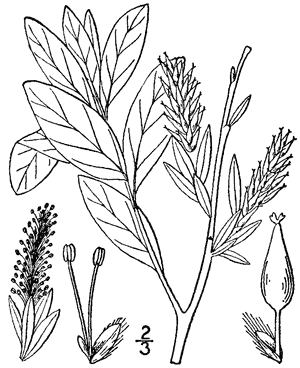
1
Bog willow aids in stopping soil degradation in marshy regions.
2
This particular plant offers crucial refuge for diverse animal life.
3
Bog willow enhances water purity through the removal of contaminants.
How Does Bog willow Aid in Preventing Soil Erosion?
Root Systems and Soil Stabilization
The robust root structures of Bog willow are vital for stabilizing soil in marshy regions. These roots spread extensively and deeply, forming a network that secures the soil, thereby lessening the likelihood of erosion. This is especially critical in areas susceptible to flooding and fluctuating water levels, where soil is prone to being washed away.
Binding Wet Soils
Beyond offering anchoring points, Bog willow's roots also assist in binding moist soils, increasing their resistance to erosion. This characteristic makes Bog willow an invaluable plant species for preserving the structural integrity of wetlands, ensuring these habitats remain sustainable for generations to come.
Why is Bog willow Crucial for Wildlife Habitats?
Shelter and Protection
Wetlands host a diverse array of wildlife, many of which depend on Bog willow for refuge and safety. The dense leaves and structure of Bog willow provide excellent hiding spots for small mammals, birds, and insects, offering them a secure haven from predators.
Supporting Biodiversity
In addition to providing shelter, Bog willow fosters biodiversity by creating an environment conducive to various life forms. Its presence helps maintain a balanced ecosystem, encouraging the growth of other native plants and ensuring a rich variety of species.
What Role Does Bog willow Play in Enhancing Water Quality?
Natural Filtration
One of the key advantages of Bog willow is its capacity to naturally filter water. The plant can absorb and break down pollutants, including heavy metals and excess nutrients, from the water. This natural purification process helps improve the overall quality of water in wetlands, making it healthier for all organisms.
Reducing Contaminants
By diminishing contaminants and pollutants, Bog willow contributes to cleaner water systems. This benefits not only aquatic life but is also essential for human communities relying on these water sources. The plant's ability to maintain water quality highlights its significance in environmental conservation efforts.
How Does Bog willow Improve Aesthetic and Recreational Value?
Enhancing Natural Beauty
Bog willow significantly contributes to the natural beauty of wetland areas. Its lush green foliage and intricate form enhance the scenic views of these environments, making them more appealing to visitors and nature enthusiasts.
Supporting Eco-Tourism
The visual appeal of wetlands abundant with Bog willow also supports eco-tourism activities. Bird watchers, hikers, and photographers are drawn to these picturesque landscapes, fostering a deeper appreciation for nature and promoting conservation awareness.
Conclusion
Summary of Benefits
Bog willow is a vital component of wetland ecosystems, offering numerous advantages from preventing soil erosion to supporting wildlife and improving water quality. Its presence underscores the importance of preserving and protecting wetland areas.
Call to Action
To ensure the continued benefits provided by Bog willow, it is essential to persist with conservation efforts. By supporting wetland preservation initiatives, everyone can contribute to maintaining these valuable ecosystems for future generations.



