How to Prune Prairie willow?
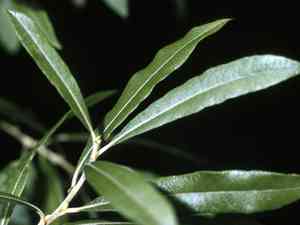
A deciduous bush recognized for its slender foliage and catkins, prairie willow flourishes with consistent trimming. Essential methods involve reducing congested limbs and eliminating deceased or ailing timber to foster robust development. The ideal time for pruning is from late winter to early spring, prior to the emergence of new shoots. Specifically for prairie willow, pruning preserves an attractive form and stimulates a greater abundance of blossoms and strong branches. Routine trimming also deters excessive growth, ensuring prairie willow remains suitable for garden appeal and ecological benefit.
What Are the Benefits of Pruning Prairie Willow?
What Are the Benefits of Pruning Prairie Willow?
Trimming prairie willow can encourage more robust development, leading to a fuller, healthier shrub. It also assists in preserving its desired shape and size, ensuring prairie willow fits well within its garden spot.
What Is the Best Time for Pruning Prairie Willow?
What Is the Best Time for Pruning Prairie Willow?
Pruning prairie willow in late winter or early spring is ideal, typically before new growth begins. This timing allows the plant to recover swiftly without impacting its active growth period. It also aids in removing any dead or damaged branches that might hinder new development or make the plant susceptible to disease or pests. Furthermore, since prairie willow flowers on new wood, pruning at the end of dormancy promotes vigorous growth and ensures flowering is unaffected, thus maintaining the plant's health and visual appeal.
What Tools Do I Need to Prune Prairie Willow?
Hand Pruners
Perfect for making clean cuts on prairie willow's slender branches during routine upkeep.
Loppers
Useful for severing thicker branches that hand pruners cannot manage, given prairie willow's moderate growth.
Pruning Saw
Essential for removing any prairie willow branches exceeding two inches in diameter.
Hedge Shears
Suitable for shaping prairie willow when a neat form is desired, as these shears allow for uniform trimming of multiple small branches.
Gloves
Protective gloves are crucial to prevent skin irritation from prairie willow's foliage and to ensure a secure grip on tools.
Pruning Sealer
Beneficial for applying to larger cuts to safeguard prairie willow from diseases and pests post-pruning.
How to Prune Prairie Willow
Clean
Before you start pruning prairie willow, clean and sanitize all trimming tools to prevent disease spread. Use a solution of one part bleach to nine parts water to disinfect the blades of pruning shears and saws. Rinse tools with clean water and dry them after sterilization.
Remove Diseased Parts
Examine prairie willow for any indications of diseased leaves or branches. Carefully eliminate these sections using a clean, sharp pair of pruning shears. Make cuts at a diagonal angle just above a healthy bud, node, or junction to promote proper healing and new growth.
Trim Withered Leaves
Identify any dried-up leaves that have not fallen from prairie willow. Gently snip them off close to the branch without harming the bark or adjacent stems. Regular removal of withered foliage helps maintain the plant's health and appearance.
Eliminate Dead Branches
Look for dead branches on prairie willow that no longer produce leaves or have hardened, brittle wood. Using pruning shears or a saw for thicker branches, cut these off at their point of origin or at a lateral branch without leaving any stubs or jagged edges.
Shape Plant
After removing all diseased, dead, and withered parts, evaluate the overall form of prairie willow. Thin out overcrowded areas to improve air circulation and light penetration. Prune to maintain a balanced, natural shape, encouraging a strong structure and healthy growth patterns.
Common Pruning Mistakes with Prairie Willow
Overpruning
Removing too much foliage from prairie willow at once can stress the plant, impede its growth, and make it more vulnerable to disease.
Cut Location
Incorrect cut placement, such as cutting too close or too far from a bud, can cause damage or lead to undesirable growth directions.
Tool Cleanliness
Using uncleaned pruning tools can introduce pathogens to prairie willow, increasing the risk of illness.
Neglecting Deadwood
Failing to remove dead or diseased wood can make prairie willow more susceptible to infestations and other health problems.
Disregarding Shape
Careless pruning without considering prairie willow's natural form can result in an unattractive appearance and may harm the plant's structure.
Common Pruning Tips for Prairie Willow
Sharp Tools
Utilize clean, sharp pruning tools to make precise cuts that heal more quickly, reducing the chance of disease.
Cut Angle
Make cuts at a 45-degree angle just above an outward-facing bud to encourage outward growth and prevent water accumulation on the cut surface, which can lead to rot.
Assessment
Before pruning, evaluate prairie willow to identify which branches require removal, such as those that are dead, diseased, crossing, or rubbing others.
Gradual Pruning
Prune prairie willow progressively, spreading out the pruning sessions to avoid shocking the plant and to observe its response over time.
Protective Cuts
Make protective cuts on larger branches by first cutting from below, then from the top to avoid tearing the bark as the branch falls, which can harm prairie willow.



