The Prairie willow Plant Advantage: Maximizing Home and Office Appeal and Wellness
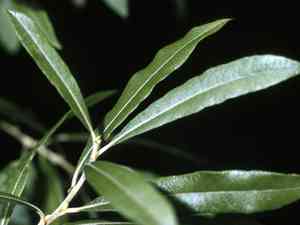
1
Serves as an effective method for preventing soil erosion.
2
Offers vital shelter and sustenance for local fauna.
3
Aids in enhancing atmospheric purity by generating ample oxygen.
How Does Prairie Willow Aid in Erosion Control?
Robust Root Systems
Prairie willow possesses extensive and strong root structures that firmly anchor the soil. These roots form a network that helps stabilize the ground, significantly reducing erosion, particularly on steep slopes or along riverbanks.
Adapting to Various Soil Types
A key characteristic of Prairie willow is its ability to adapt to diverse soil conditions. This makes it an excellent choice for different environments where soil stability is essential. From clay to sandy soils, Prairie willow can thrive and help minimize soil displacement.
What Wildlife Benefits from Prairie Willow?
Providing Shelter and Nesting Sites
Prairie willow offers dense foliage that serves as excellent cover for many bird species and small mammals. Its branching structure and leaf canopy provide secure nesting locations, protecting wildlife from predators and harsh weather conditions.
Source of Food
The plant produces catkins and leaves that are a vital food source for various insects, birds, and animals. In early spring, the catkins are among the first available food sources, playing a crucial role in supporting pollinators and other wildlife during a critical period.
Why is Prairie Willow an Eco-Friendly Choice for Landscapes?
High Oxygen Production
Prairie willow contributes to improved air quality through its substantial oxygen output. The plant's lush leaves vigorously photosynthesize, producing significant amounts of oxygen and helping to balance carbon levels in the atmosphere.
Purifying Water
The root systems of Prairie willow do more than just stabilize soil; they also contribute to water filtration. The roots can help remove pollutants from water as it passes through the soil, leading to cleaner, healthier waterways.
Can Prairie Willow Improve Soil Quality?
Nutrient Cycling
The presence of Prairie willow fosters a healthy soil ecosystem. Its fallen leaves and twigs decompose, adding valuable organic matter to the soil. This process enriches the soil's nutrient profile and enhances its fertility.
Promoting Microbial Health
Prairie willow supports a rich population of beneficial soil microbes. The interactions between the plant roots and microbial communities cultivate a vibrant soil system, which can improve plant health and boost growth for other species in your garden.



