Enhancing Your Garden Design with the Prairie willow Plant: A Landscaping Guide
1
Prairie willow thrives in diverse soil conditions, making it suitable for a range of garden environments.
2
Incorporating Prairie willow into your landscape can support native wildlife.
3
Prairie willow functions as both a beautiful addition and a practical component, providing natural wind barriers and seclusion.
Appreciating the Visual Charm of Prairie Willow
Discovering the distinct visual attributes of Prairie willow
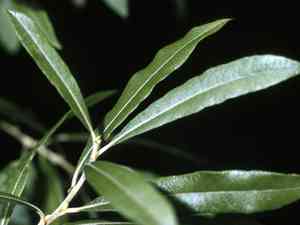
Incorporating Prairie willow into your garden introduces unique visual traits that significantly boost its aesthetic appeal. This plant showcases slender, arching branches forming an elegant outline, while its foliage offers a soft texture, complementing other garden elements. These characteristics make Prairie willow a versatile choice for both contemporary and classic garden designs. Furthermore, its leaves' subtle color variations can add depth and intrigue, becoming a central feature in your garden layout.
Seasonal transformations and how Prairie willow revitalizes outdoor areas
A captivating aspect of Prairie willow is its capacity to rejuvenate your garden with seasonal shifts. In spring, it produces delicate catkins, adding grace and a hint of mystique. By summer, its lush green leaves offer ample shade and a cool, refreshing ambiance. As autumn nears, Prairie willow's foliage transforms into a stunning display of colors, from golden yellows to warm reds, creating a striking visual impact. In winter, its stark yet beautiful bare branches provide a sculptural element against snowy backdrops.
Pairing Prairie willow with complementary plants for a unified look
To maximize Prairie willow's visual appeal, consider combining it with compatible plants. Its soft foliage pairs beautifully with contrasting textures like ornamental grasses or the bold leaves of hostas. Additionally, flowering plants such as coneflowers or black-eyed Susans can introduce vibrant color splashes that harmonize with Prairie willow's subtle hues. By integrating Prairie willow with these complementary plants, you can achieve a cohesive and visually stunning garden landscape.
Practical Advantages of Including Prairie Willow in Your Landscape
Inherent hardiness and minimal upkeep of Prairie willow
Prairie willow is celebrated for its natural resilience and low maintenance needs, making it a practical option for gardeners of all experience levels. This robust plant can thrive in various soil types and conditions, from moist to arid environments. Its deep root system helps prevent soil erosion, and once established, Prairie willow requires minimal watering and care. Its resistance to common pests and diseases further reduces the need for chemical treatments, fostering a healthier, eco-friendly garden.
Boosting biodiversity by integrating Prairie willow into your garden
Adding Prairie willow to your garden can significantly enhance local biodiversity. This plant provides habitat and sustenance for various wildlife, including insects, birds, and small mammals. Prairie willow's catkins are particularly attractive to pollinators like bees, while its dense foliage offers nesting sites for birds. By including Prairie willow in your landscape, you not only beautify your garden but also support the local ecosystem, encouraging a vibrant and diverse range of species to flourish.
Utilizing Prairie willow for natural windbreaks and privacy screens
Beyond its aesthetic and ecological benefits, Prairie willow serves as a functional element in your garden. Its dense, bushy growth can be used to create natural windbreaks, shielding your garden from strong gusts and creating a more comfortable outdoor area. Additionally, Prairie willow can be planted as a privacy screen, offering a green, leafy barrier that protects your garden from curious glances. This dual purpose makes Prairie willow an invaluable addition to any landscape design.
Cultural and Historical Significance of Prairie Willow
Historical applications of Prairie willow in landscaping and their cultural relevance
Prairie willow boasts a rich history in landscaping, with cultural implications that deepen its allure. Historically, indigenous communities used Prairie willow for various purposes, including medicinal applications and basket weaving. Its presence in traditional landscapes attests to its enduring utility and beauty. Understanding Prairie willow's historical context can enhance your appreciation for this plant and the timeless qualities it brings to your garden.
How Prairie willow connects to local heritage and landscape customs
Linking Prairie willow to local heritage and landscape traditions can enrich your garden design. Many communities share a long-standing relationship with this plant, incorporating it into cultural practices and traditional garden layouts. By integrating Prairie willow into your landscape, you preserve a piece of local heritage and honor the traditions that have shaped your region's natural beauty. This historical connection not only adds significance to your garden but also fosters a sense of belonging and continuity.
Incorporating Prairie Willow Into Modern and Traditional Designs
Methods and styles for integrating Prairie willow in diverse landscape themes
Whether you aim for a modern or traditional garden aesthetic, Prairie willow can be seamlessly incorporated into diverse landscape themes. In modern designs, it can serve as a minimalist accent, its slender branches and subtle colors providing sophisticated, understated elegance. In traditional gardens, Prairie willow can act as a focal point or a structural element that complements classic garden features like stone pathways or water fountains. Its versatility allows it to fit into nearly any design style, offering both aesthetic and functional advantages.
Case studies: Successful garden designs featuring Prairie willow
Numerous successful garden designs feature Prairie willow, demonstrating its potential to enhance any landscape. In one case study, a contemporary garden utilized Prairie willow to create a serene and elegant atmosphere. The plant's graceful silhouette and soft foliage provided a calming backdrop for an outdoor seating area. In another example, a traditional cottage garden incorporated Prairie willow as a natural boundary, creating a sense of enclosure and intimacy. These case studies highlight Prairie willow's adaptability and beauty, making it a valuable addition to your garden planning.



